


x


 Preview
 Купи принт Купи изображение
 Изпрати
 Детайли
 Добавяне към любими
 Изтегляне
 Подобни
 Рентгенова снимка
 Слайдшоу
Ръчно рисувана маслена картина върху платно във вашия размер и рамка, изработена по поръчка от нашите художници.





























Изберете от предварително зададените размери, които съответстват на оригиналните пропорции на произведението.

Можете да въведете свои собствени размери, за да пасне на конкретна рамка или пространство. Ако избраният от вас размер не съответства на пропорциите на оригиналното изображение, ние ще изрежем произведението или ще удължим картината с допълнителни ръчно рисувани елементи. Дигитален макет ще бъде изпратен за ваше одобрение преди започване на производството.
Моля, обърнете внимание, че прегледът на екрана не отразява действителното изрязване или разширяване. Само макетът ще покаже точно финалния състав.
Въпреки че са налични персонализирани размери, препоръчваме да изберете размер от предварително дефинирания списък, за да запазите оригиналните пропорции.
Доставка по целия свят () в рамките на 3/4 седмици вместо стандартните 5 седмици. (28 Юли). Без компромис с качеството.


The Balcony
Размер на репродукцията
Fernand Léger's "The Balcony," painted in 1914, offers a captivating glimpse into the burgeoning artistic landscape of early 20th-century France. This seemingly simple depiction – a group of figures gathered on a balcony – is far more than just a snapshot of a domestic scene; it’s a carefully constructed meditation on modernity, industrialization, and the human condition within a rapidly changing world. Léger, born Joseph Fernand Henri Léger in 1881 in Argentan, Normandy, was a pivotal figure who bridged the gap between traditional representation and the radical experimentation that would define modern art. His upbringing amidst the rural rhythms of Normandy – observing the physicality of labor and the enduring forms of nature – profoundly shaped his artistic sensibility, informing his later embrace of geometric abstraction and his fascination with the mechanical.
“The Balcony” exemplifies Léger’s signature “Tubism,” a style he developed in collaboration with Pablo Picasso. This approach, born from his observations of moving vehicles and industrial machinery, sought to capture the essence of these forms through fragmented geometric shapes. Unlike purely abstract art, Léger retained recognizable human figures, albeit heavily stylized and reduced to their fundamental components. The painting’s surface is characterized by a bold, almost brutalist application of paint – thick impasto strokes create a tactile quality that emphasizes the materiality of the objects and figures. This technique contributes significantly to the work's powerful sense of dynamism and its rejection of traditional illusionistic representation.
Technique Highlights:Painted in 1914, just before the outbreak of World War I, “The Balcony” reflects a period of profound social and technological upheaval. Léger was deeply concerned with the impact of industrialization on human life, anticipating the dehumanizing effects of mass production and the erosion of traditional values. The figures in the painting can be interpreted as representing humanity’s struggle to adapt to this new reality – their unified posture suggesting a shared experience of uncertainty and transformation. The clocks, symbols of time's relentless progression, underscore the anxieties surrounding modernity and the loss of control over one's own life. This work is a crucial piece in understanding Léger’s broader artistic project: a bold attempt to translate the language of the machine into a new visual vocabulary for the 20th century.
"The Balcony" transcends its historical context to offer a powerful meditation on human connection, time, and the forces shaping our world. Léger’s masterful use of form, color, and texture creates an image that is both visually arresting and emotionally resonant. This hand-painted reproduction captures the essence of Léger's artistic vision with exceptional fidelity, offering art lovers, collectors, and interior designers alike a unique opportunity to experience the power and beauty of this seminal work. Its bold geometric forms and evocative symbolism make it a compelling addition to any collection or a striking focal point within an interior space.
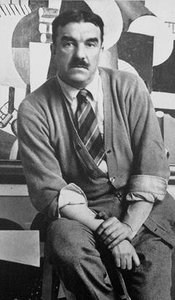
1881 - 1955 , Франция
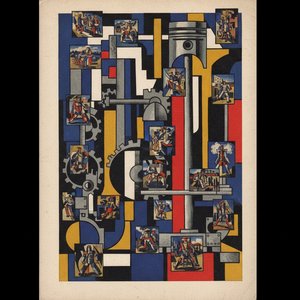
Разгледайте топ 25 шедьовъра на Фернанд Леже – пионер на кубизма и тубизма. Открийте историите зад картините, техниките и вдъхновението му. Купете висококачествени репродукции и декоративни идеи за дома от Most-Famous-Paintings.com.

Разгледайте топ 25 шедьовъра от Метрополитън Музея на изкуствата – Ван Гог, Моне и други! Открийте историите зад известните картини, техниките и вдъхновението им. Купете висококачествени репродукции за вашия дом на Most-Famous-Paintings.com.
Разгледайте топ 25 шедьовъра от MoMA – Ван Гог, Пикасо и Уорхол! Открийте историите зад импресионизма, кубизма и експресионизма. Купете висококачествени репродукции на картини за вашия дом в Most-Famous-Paintings.com.
Explore 10 defining masterpieces of early modern art – from Picasso & Matisse to Dalí! Discover the stories behind iconic paintings, movements like Cubism & Surrealism. Find museum-quality art reproductions for your home at Most-Famous-Paintings.com.
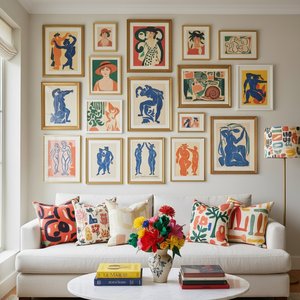
Разгледайте топ 25 шедьовъра на Анри Матис – от фовизма до абстрактното изкуство. Вдъхновете се за вашия интериор с цветните картини и репродукции високо качество на Most-Famous-Paintings.com. Открийте цялата колекция онлайн!


Бъдете информирани за последните новини в света на изкуството, ексклузивни оферти и идеи за декорация.
Разкажете ни за вашия проект и нашите експерти по изкуство ще ви предложат 3 персонализирани предложения за произведения на изкуството.
Нека подберем 3 варианта само за вас – безплатно!


 Сподели


 Прочетете повече







 Стъклото е налично само в размери под 110 см


