


x
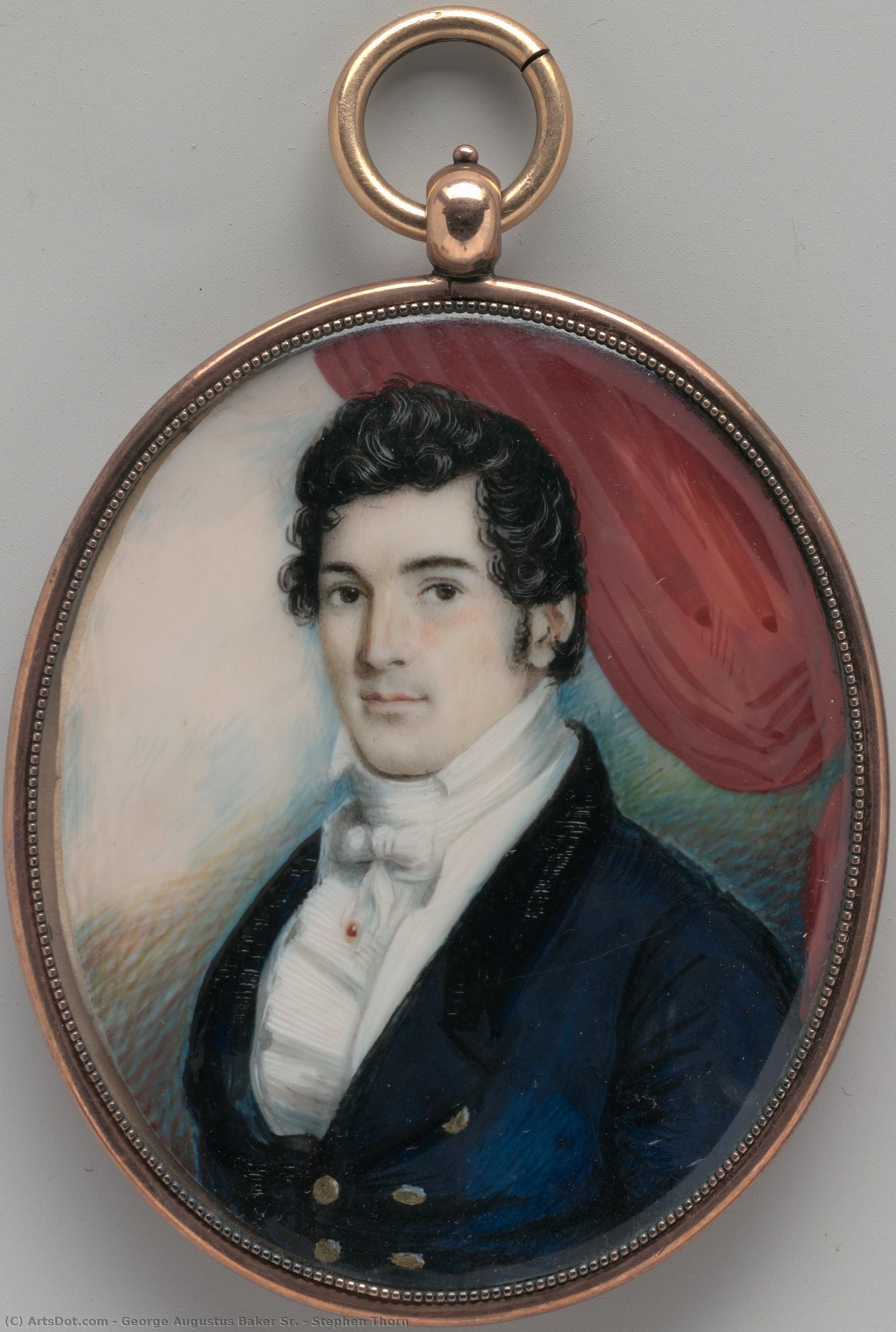
 1818
1818 7.0 x 5.0 cm
Ръчно рисувана маслена картина върху платно във вашия размер и рамка, изработена по поръчка от нашите художници. ( Купете принт Купете изображение)
Изберете от предварително зададените размери, които съответстват на оригиналните пропорции на произведението.

Можете да въведете свои собствени размери, за да пасне на конкретна рамка или пространство. Ако избраният от вас размер не съответства на пропорциите на оригиналното изображение, ние ще изрежем произведението или ще удължим картината с допълнителни ръчно рисувани елементи. Дигитален макет ще бъде изпратен за ваше одобрение преди започване на производството.
Моля, обърнете внимание, че прегледът на екрана не отразява действителното изрязване или разширяване. Само макетът ще покаже точно финалния състав.
Въпреки че са налични персонализирани размери, препоръчваме да изберете размер от предварително дефинирания списък, за да запазите оригиналните пропорции.
Доставка по целия свят () в рамките на 3/4 седмици вместо стандартните 5 седмици. (18 Август). Без компромис с качеството.


Stephen Thorn
Размер на репродукцията

Born in the historic city of Strasbourg, France, in 1760, George Augustus Baker Sr. emerged as a profound voice within the American landscape tradition. His artistic journey was one of deep cultural synthesis, beginning amidst the intellectual and aesthetic ferment of Enlightenment Europe before finding its most enduring expression on the shores of the New World. While his roots were European, his soul became inextricably linked to the burgeoning spirit of America, particularly through his mastery of the Hudson River School style. Baker did not merely observe nature; he sought to capture its very essence, bridging the gap between the old world's formal traditions and the new world's untamed grandeur.
The foundation of Baker’s technique was laid during his formative years in France, where he had the rare privilege of studying under Jean-Baptiste Camille Corot. This mentorship was transformative, instilling in him a lifelong devotion to tonal landscapes and the delicate nuances of atmospheric perspective. From Corot, Baker learned that the true power of a painting lies not in photographic precision, but in the ability to convey emotional resonance through subtle color harmonies and light. When he returned to America in 1823, he brought with him this sophisticated European sensibility, establishing himself as a vital artistic presence in Brooklyn, New York, where he became both a respected practitioner and an influential teacher.
Baker’s body of work, which exceeds four hundred individual paintings, serves as a visual chronicle of the northeastern United States. His canvases range from the quiet, rolling hillsides of Vermont to the rugged, untamed wilderness of the Adirondacks. However, it is in his depictions of New York Harbor and the iconic Brooklyn Bridge that his genius truly shines. In these works, Baker achieved a sense of the sublime—a Romantic ideal where the vastness of nature meets the burgeoning ambition of human civilization. His skies are often heavy with mist or luminous with the setting sun, creating a sense of awe that mirrors the rapid expansion of the American metropolis.
To achieve such breathtaking luminosity, Baker employed a meticulous technical process. He was a master of the glazing technique, applying multiple thin, translucent layers of oil paint to build depth and allow light to penetrate the surface of the canvas. This method allowed him to capture the precise geological textures of mountains and the shifting, ephemeral qualities of water and air. His dedication to accuracy in studying atmospheric conditions meant that his landscapes felt alive, breathing with the humidity of a summer afternoon or the crisp chill of an autumn morning.
The significance of George Augustus Baker Sr. extends far beyond the borders of his individual canvases. He stands as a pivotal figure who helped translate European landscape traditions into a uniquely American vernacular. His work provided a visual language for a young nation seeking to define its identity through its vast and beautiful territories. By imbuing physical locations with symbolic meaning, he turned landscapes into narratives of hope, progress, and spiritual connection.
His legacy is also preserved through the lineage of his talent. As a father, he provided the initial artistic education for his son, George Augustus Baker, who would go on to become a celebrated American portrait painter in his own right. Through this continuity of skill and vision, the influence of the elder Baker continued to shape the American aesthetic well into the late 19th century. Today, his works remain cherished windows into a bygone era, reminding us of a time when the intersection of nature and industry was viewed through a lens of profound wonder and boundless aspiration.

1760 - 1847 , France


Бъдете информирани за последните новини в света на изкуството, ексклузивни оферти и идеи за декорация.
Разкажете ни за вашия проект и нашите експерти по изкуство ще ви предложат 3 персонализирани предложения за произведения на изкуството.
Нека подберем 3 варианта само за вас – безплатно!


 Представи си го
 Изпрати
 Сподели
 Детайли

 Изтегляне
 Подобни
 Рентгенова снимка
 Слайдшоу
 Прочетете повече




































 Стъклото е налично само в размери под 110 см


