


x


 Купи принт Купи картина
 Изпрати
 Детайли
 Добавяне към любими
 Изтегляне
 Подобни
 Рентгенова снимка
 Слайдшоу
Закупете дигитално изображение с висока резолюция и подобрени характеристики, значително по-добро от онлайн прегледа.
Всеки файл е щателно подготвен от нашите специалисти с помощта на съвременни инструменти и експертна ръчна ретуш. Гарантираме, че всяко изображение има изключителна яснота, прецизна цветова точност и фини детайли.
Окончателният файл се доставя по имейл в рамките на 72 часа, оптимизиран за незабавна употреба в професионални, редакционни и печатни среди. Това е същото качество, на което се доверяват водещи дизайнерски студия, издатели и галерии.
Изтеглете файл с висока резолюция за лично показване, принтиране и творчески проекти.
Когато изберете Most-Famous-Paintings.com, вие не получавате само изображение – вие получавате професионално подобрена дигитална творба, създадена с прецизност и подкрепена от гаранция за удовлетворение. Ето всичко, което автоматично се включва в вашата поръчка:

Вашето дигитално изображение с висока резолюция ще ви бъде изпратено по имейл в рамките на 72 часа от поръчката - готово за незабавно използване.

Вашата картина е професионално оптимизирана с помощта на усъвършенствани инструменти за изкуствен интелект и ръчна редакция, осигурявайки максимална детайлност, яснота и точност на цветовете.

Изгубили сте или сте премахнали файла си по погрешка? Не се притежнявайте – ще го изпратим отново на Вас по всяко време, безплатно.

Всредите си веднага без мита, данъци или такси по доставка - дигителните приложения винаги са без данъчно освободени.

Гарантираме, че вашето дигитално изображение отразява оригиналните цветове възможно най-точно, използвайки професионални инструменти и управление на цветовете.

Ако не сте доволни от вашето дигилно изображение, ще го коригираме или ще възмедим 100% в рамките на 60 дни – без никакви въпроси.

Не сте удовлетворени? Получавате пълно възстановяване на сумата в рамките на 60 дни след получаването на вашия цифров файл – без никакви въпроси.

Купете 3 изображения, спестете 10% - Купете 5, спестете 15% - Купете 10+, спестете 20%. Отлично за творчески проекти, галерии и агенства.
Gustav Klimt’s “Portrait of Adele Bloch-Bauer I,” a seminal work from the early 20th century, transcends mere portraiture to become an embodiment of Viennese Secession and a profound exploration of female identity. Completed between 1903 and 1907, this arresting image captures not just a likeness but a carefully constructed persona—a woman poised on the cusp of modernity, radiating both quiet strength and subtle vulnerability. The painting’s monochrome palette, dominated by shades of gray, immediately establishes an atmosphere of contemplative seriousness, inviting viewers to linger in its stark beauty. It's a deliberate departure from the vibrant hues that would later characterize Klimt’s “Golden Phase,” offering instead a glimpse into the artist’s early experimentation with form and texture.
The genesis of this portrait lies within the opulent world of Vienna’s burgeoning Jewish bourgeoisie, a class rapidly accumulating wealth through industrial enterprises. Adele Bloch-Bauer, the subject, was the wife of Ferdinand Bloch-Bauer, a prominent sugar magnate who became a significant patron of the arts. Klimt, deeply influenced by the artistic currents swirling around him—including Japanese prints and the emerging Art Nouveau movement—was commissioned to immortalize her within this context. The painting isn’t simply a depiction of a wealthy woman; it's an astute observation of her social standing, her role as hostess, and perhaps even a subtle commentary on the constraints placed upon women in that era.
Klimt’s technique is immediately striking. He eschews meticulous detail in favor of expressive lines—loose, dynamic strokes that define the figure's form with remarkable sensitivity. Hatching and cross-hatching are employed not to create a realistic illusion of light and shadow but rather to suggest volume and texture through variations in tone. The artist’s hand is visible in every mark, lending the work an intimate quality, as if we are witnessing the very act of creation. The composition itself is remarkably simple: Adele stands centrally within the frame, her arms gracefully crossed—a pose that conveys both composure and a hint of reserve. This deliberate restraint mirrors the overall mood of the painting, fostering a sense of quiet introspection.
Notably, Klimt utilizes a technique reminiscent of a preparatory sketch, a characteristic that adds to the work’s immediacy and emotional resonance. The lack of polished finish suggests an ongoing process, as if Adele were merely paused in a moment of contemplation. This deliberate choice invites viewers to connect with the subject on a deeper level, recognizing her as a living, breathing individual rather than a static representation.
Beyond its formal qualities, “Portrait of Adele Bloch-Bauer I” is rich in symbolic meaning. The most prominent element—the gold leaf adorning Adele’s dress and the background—references Klimt's later "Golden Phase," but here it serves a more nuanced purpose. Gold, historically associated with divinity and wealth, subtly elevates Adele’s status while simultaneously hinting at the ephemeral nature of beauty and material possessions. The geometric patterns that frame her figure are reminiscent of Byzantine mosaics, further emphasizing her position as a woman of refined taste and cultural awareness.
The crossed arms, a recurring motif in Klimt's work, can be interpreted as a symbol of strength, self-possession, or perhaps even a subtle resistance to societal expectations. Adele’s gaze is direct yet enigmatic—it invites the viewer into her world while simultaneously maintaining an air of mystery. The overall effect is one of captivating complexity, inviting repeated contemplation and interpretation.
“Portrait of Adele Bloch-Bauer I” holds a particularly poignant significance in art history due to its subsequent fate. Following the Nazi annexation of Austria, the painting—along with other works by Klimt and her husband—was stolen and ultimately ended up in the Belvedere Museum in Vienna. The story of this artwork is inextricably linked to the broader narrative of cultural restitution and the enduring impact of the Holocaust. The eventual return of the portrait to the Bloch-Bauer family, culminating in its acquisition by Maria Altmann, Adele’s niece, represents a powerful symbol of justice and remembrance. Today, it stands as a testament to Klimt's artistic genius and a poignant reminder of the complexities of art, history, and human experience.
Most-Famous-Paintings offers meticulously crafted hand-painted reproductions of this iconic masterpiece, allowing you to bring its timeless beauty into your own space. Each reproduction is created with the same attention to detail and reverence for the original, capturing the essence of Klimt’s vision while providing a stunning addition to any collection.

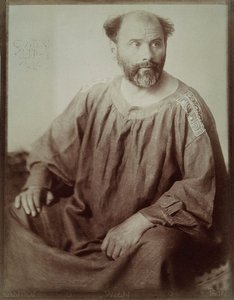
1862 - 1918 , Австрия


Бъдете информирани за последните новини в света на изкуството, ексклузивни оферти и идеи за декорация.
Разкажете ни за вашия проект и нашите експерти по изкуство ще ви предложат 3 персонализирани предложения за произведения на изкуството.
Нека подберем 3 варианта само за вас – безплатно!


 Сподели


 Прочетете повече


