


x

Закупете дигитално изображение с висока резолюция и подобрени характеристики, значително по-добро от онлайн прегледа.
Всеки файл е щателно подготвен от нашите специалисти с помощта на съвременни инструменти и експертна ръчна ретуш. Гарантираме, че всяко изображение има изключителна яснота, прецизна цветова точност и фини детайли.
Окончателният файл се доставя по имейл в рамките на 72 часа, оптимизиран за незабавна употреба в професионални, редакционни и печатни среди. Това е същото качество, на което се доверяват водещи дизайнерски студия, издатели и галерии.
Изтеглете файл с висока резолюция за лично показване, принтиране и творчески проекти. ( Превключване към печат Превключване към ръчно рисувана картина)
Когато изберете Most-Famous-Paintings.com, вие не получавате само изображение – вие получавате професионално подобрена дигитална творба, създадена с прецизност и подкрепена от гаранция за удовлетворение. Ето всичко, което автоматично се включва в вашата поръчка:

Вашето дигитално изображение с висока резолюция ще ви бъде изпратено по имейл в рамките на 72 часа от поръчката - готово за незабавно използване.

Вашата картина е професионално оптимизирана с помощта на усъвършенствани инструменти за изкуствен интелект и ръчна редакция, осигурявайки максимална детайлност, яснота и точност на цветовете.

Изгубили сте или сте премахнали файла си по погрешка? Не се притежнявайте – ще го изпратим отново на Вас по всяко време, безплатно.

Всредите си веднага без мита, данъци или такси по доставка - дигителните приложения винаги са без данъчно освободени.

Гарантираме, че вашето дигитално изображение отразява оригиналните цветове възможно най-точно, използвайки професионални инструменти и управление на цветовете.

Ако не сте доволни от вашето дигилно изображение, ще го коригираме или ще възмедим 100% в рамките на 60 дни – без никакви въпроси.

Не сте удовлетворени? Получавате пълно възстановяване на сумата в рамките на 60 дни след получаването на вашия цифров файл – без никакви въпроси.

Купете 3 изображения, спестете 10% - Купете 5, спестете 15% - Купете 10+, спестете 20%. Отлично за творчески проекти, галерии и агенства.
Gustav Klimt's "Study for The Dancer," a preparatory sketch rendered in delicate graphite and charcoal, offers an intimate window into the creative process behind one of his most iconic works. More than just a preliminary drawing, it embodies the nascent stages of a monumental vision—a testament to Klimt’s meticulous approach and profound exploration of feminine beauty and movement. This particular study, created in 1905, captures a pivotal moment in the development of “The Dancer,” a mural destined for the opulent Stoclet Palace in Brussels, and speaks volumes about Klimt's evolving artistic language.
The sketch itself is remarkably restrained, yet brimming with potential. A full-length female figure dominates the composition, poised with an almost regal stillness. Her arms are gracefully crossed, a subtle gesture of contained power and quiet contemplation. The lines are fluid and confident, suggesting not just the outline of her form but also the underlying musculature and drapery that would later be amplified in the finished painting. Noticeably absent is any attempt at shading or tonal variation; Klimt relies entirely on line weight and precise detailing to establish volume and depth. This deliberate choice underscores a shift towards a more linear, geometric style, characteristic of his mature work and heavily influenced by Japanese art – a fascination that would profoundly shape his aesthetic.
To fully appreciate this study, it's crucial to understand its context within Klimt’s broader artistic trajectory. The late 1890s marked a period of intense experimentation for the artist, as he moved away from the academic traditions that had initially defined his training and embraced a more personal, symbolic style. This shift culminated in what is often referred to as his “golden phase,” characterized by lavish use of gold leaf—a technique borrowed from Byzantine mosaics and medieval illuminated manuscripts – alongside bold geometric patterns and an exploration of themes related to sexuality, mythology, and the human psyche. "The Dancer," commissioned for the Stoclet Palace, was intended to be a centerpiece of this opulent display, embodying Klimt’s vision of female grace and spiritual transcendence.
This particular study, created in 1905, predates the full implementation of the gold leaf technique. It reveals a more restrained approach, focusing on capturing the essence of the pose and proportion before layering in the shimmering metallic accents that would ultimately define the final masterpiece. The sketch’s composition echoes elements found in Egyptian art – a deliberate reference to Klimt's fascination with ancient cultures and their idealized representations of the human form. The figure’s stance, reminiscent of statues from tombs, hints at an underlying sense of timelessness and spiritual significance.
Beyond its technical merits, “Study for The Dancer” is rich in symbolic meaning. The dancer herself represents a potent blend of vulnerability and strength, poised between earthly sensuality and ethereal beauty. Her crossed arms suggest both protection and introspection, while her gaze—implied rather than explicitly depicted—hints at an inner world of contemplation. Klimt’s use of line creates a dynamic tension, conveying the feeling of movement without resorting to traditional depictions of motion. The sketch invites us to imagine the dancer as more than just a figure; she becomes a vessel for exploring themes of desire, spirituality, and the complexities of the human experience.
The study’s monochrome palette—a stark contrast to the vibrant gold that would later adorn “The Dancer”—further emphasizes its introspective nature. It's a moment of pure form, stripped bare of extraneous details, allowing us to focus on the fundamental elements of composition and gesture. It is a reminder that Klimt’s genius lay not only in his ability to create visually stunning works but also in his capacity to distill complex emotions and ideas into deceptively simple sketches.
Reproductions of “Study for The Dancer” offer a remarkable opportunity to experience the intimacy and artistry of Klimt’s creative process. The meticulous detail captured in this preparatory sketch is faithfully reproduced, allowing viewers to appreciate the subtle nuances of line and form that define his unique style. Whether displayed as a standalone piece or incorporated into an interior design scheme, this study serves as a powerful reminder of Klimt's enduring legacy—a testament to the transformative power of art and its ability to capture the essence of beauty, movement, and the human spirit.
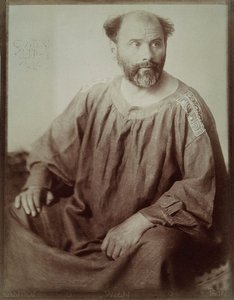
1862 - 1918 , Австрия


Бъдете информирани за последните новини в света на изкуството, ексклузивни оферти и идеи за декорация.
Разкажете ни за вашия проект и нашите експерти по изкуство ще ви предложат 3 персонализирани предложения за произведения на изкуството.
Нека подберем 3 варианта само за вас – безплатно!


 Представи си го
 Изпрати
 Сподели
 Детайли

 Изтегляне
 Подобни
 Рентгенова снимка
 Слайдшоу

 Прочетете повече


