


x

 Акрил върху платноСтени и декорацияFauvism
 1938Модерно
 46.0 x 38.0 cm
Giclée печат или принт върху платно с музейно качество, бързо производство и гъвкави опции за завършен вид. ( Купете ръчно рисувана картина Купете изображение)





























Изберете от предварително зададените размери, които съответстват на оригиналните пропорции на произведението.

Можете да въведете собствени размери, за да паснат на конкретна рамка или пространство. Ако избраният от Вас размер не съвпада с пропорциите на оригиналното изображение, ние ще изрежем произведението или ще разширим изображението с огледален или едноцветен ръб. Дигитален макет ще бъде изпратен за Ваше одобрение преди започването на производството.
Моля, имайте предвид, че предпрегледът на екрана не отразява реалното изрязване или разширяване. Само макетът ще покаже точно финалната композиция.
Въпреки че са налични персонализирани размери, препоръчваме да изберете размер от предварително дефинирания списък, за да запазите оригиналните пропорции.
Доставка по целия свят () в рамките на 2 седмици вместо стандартните 4/5 седмици. (22 Август)


The Arm
Размер на репродукцията
Henri Matisse’s “The Arm,” painted in 1938, isn't merely a depiction of a woman’s limb; it’s an explosion of vibrant emotion rendered with the audacious spirit that defined the Fauvist movement. This intimate yet powerfully expressive work immediately commands attention, drawing the viewer into a world where color reigns supreme and traditional representational concerns are delightfully abandoned. The painting captures a fleeting moment – perhaps a gesture, a contemplation – imbued with a sense of intense feeling through Matisse’s masterful manipulation of hue and brushstroke. It's a testament to his belief that color itself could be a subject, capable of conveying mood, emotion, and even narrative.

At first glance, the composition appears deceptively simple: a green dress against a backdrop of blue. However, this is precisely where Matisse’s genius lies. He doesn't merely paint colors; he orchestrates them. The intense emerald green of the dress vibrates against the cool, almost ethereal blue of the background, creating a dynamic tension that immediately grabs the eye. These aren’t naturalistic shades; they are deliberately heightened and saturated, characteristic of Fauvist technique. Notice how Matisse employs thick, visible brushstrokes – a deliberate rejection of illusionism – to build up layers of color and texture. The interplay between these bold hues generates a palpable sense of energy and movement, suggesting not just the form of the arm but also the underlying passion within.
“The Arm” is a quintessential example of Fauvist art, a movement that emerged around 1904 and profoundly challenged the established conventions of painting. The term “Fauve,” meaning “wild beast,” aptly describes this style’s unrestrained use of color and its rejection of academic realism. Matisse, along with André Derain, spearheaded this revolution, prioritizing expressive power over accurate representation. This wasn't about depicting reality; it was about conveying feeling through the language of color. The painting reflects a shift towards subjective experience, where the artist’s emotional response becomes paramount. It’s important to note that Matisse’s work in Fauvism built upon earlier influences, particularly the Impressionists and Post-Impressionists, but he pushed these ideas to their most radical conclusion.
Beyond its purely Fauvist qualities, “The Arm” also reveals subtle echoes of Orientalist themes – a stylistic influence that was prevalent in Matisse’s work. The use of bold patterns and vibrant colors reminiscent of Middle Eastern textiles suggests an awareness of the exotic and the sensual. However, unlike traditional Orientalist paintings, which often depicted idealized or romanticized scenes, Matisse's approach is far more direct and emotionally charged. The painting transcends its specific influences, offering a universal exploration of human form and emotion—a testament to Matisse’s ability to distill complex ideas into a single, captivating image. It invites contemplation on themes of beauty, desire, and the power of color to evoke profound feelings.


1869 - 1954 , Франция
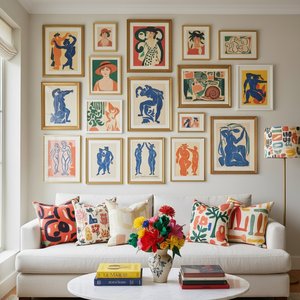
Разгледайте топ 25 шедьовъра на Анри Матис – от фовизма до абстрактното изкуство. Вдъхновете се за вашия интериор с цветните картини и репродукции високо качество на Most-Famous-Paintings.com. Открийте цялата колекция онлайн!

Открийте 10 шедьовъра на Фовизма – Матис, Дерен и други! Разгледайте експресивните цветове и историите зад най-знаковите картини. Репродукции с музейно качество за вашия дом от Most-Famous-Paintings.bg. Разгледайте пълната колекция онлайн!
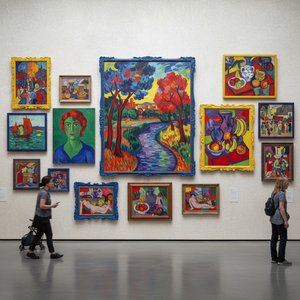
Открийте 10 шедьовъра на Фовизма с Анри Матис, Андре Дерен и други майстори! Разгледайте историите зад тези цветни произведения на изкуството и се вдъхновете за вашия интериор. Репродукции картини с музейно качество – Most-Famous-Paintings.com

Разгледайте топ 10 шедьовъра в нюансите на синьото – от Моне до Ван Гог! Открийте историите зад картините, техниките и значението им. Купете висококачествени репродукции на Most-Famous-Paintings.com и превърнете дома си в галерия.

Explore the rich history & symbolism of green in art! Discover iconic paintings, techniques, and how to bring verdant harmony into your home with Most-Famous-Paintings's expert guide.


Бъдете информирани за последните новини в света на изкуството, ексклузивни оферти и идеи за декорация.
Разкажете ни за вашия проект и нашите експерти по изкуство ще ви предложат 3 персонализирани предложения за произведения на изкуството.
Нека подберем 3 варианта само за вас – безплатно!


 Представи си го
 Изпрати
 Сподели
 Детайли

 Изтегляне
 Подобни
 Рентгенова снимка
 Слайдшоу
 Прочетете повече







 Стъклото е налично само в размери под 110 см


