
Продавайте вашата изкуство
Списък с желания Пазарска количка Cart
x
Представи си гоПредстави си го AR прегледAR преглед Купете принт Купете принтКупете ръчно рисувана картина Купете ръчно рисувана картина ИзпратиИзпрати
ДетайлиДетайли Добавяне към любими Добавяне към любими ИзтеглянеИзтегляне ПодобниПодобни Рентгенова снимкаРентгенова снимка СлайдшоуСлайдшоу

Hermit Saints Triptych (left panel)

A surreal landscape of grotesque creatures and unsettling shadows defines this Northern Renaissance masterpiece by Hieronymus Bosch, inviting you to explore the profound mysteries of his visionary oil on panel painting.

Хиеронимъс Бош (1450-1516) е гениален нидерландски художник, известен със сюрреалистичните и символични картини, които изследват човешката природа и духовните борби. Неговите произведения са вдъхновение за поколения артисти.

Закупете дигитално изображение с висока резолюция и подобрени характеристики, значително по-добро от онлайн прегледа.

Всеки файл е щателно подготвен от нашите специалисти с помощта на съвременни инструменти и експертна ръчна ретуш. Гарантираме, че всяко изображение има изключителна яснота, прецизна цветова точност и фини детайли.

Окончателният файл се доставя по имейл в рамките на 72 часа, оптимизиран за незабавна употреба в професионални, редакционни и печатни среди. Това е същото качество, на което се доверяват водещи дизайнерски студия, издатели и галерии.

Дигитално изображение

Изтеглете файл с висока резолюция за лично показване, принтиране и творчески проекти. (Купете принт Купете принтКупете ръчно рисувана картина Купете ръчно рисувана картина)

Обща цена

$ 24,90

Включено във всяка поръчка за дигитални изображения

Експресна дигитална доставка, гарантирана

Когато изберете Most-Famous-Paintings.com, вие не получавате само изображение – вие получавате професионално подобрена дигитална творба, създадена с прецизност и подкрепена от гаранция за удовлетворение. Ето всичко, което автоматично се включва в вашата поръчка:

shipping_icon
Бърза доставка по имейл

Вашето дигитално изображение с висока резолюция ще ви бъде изпратено по имейл в рамките на 72 часа от поръчката - готово за незабавно използване.

canvas_icon
Дигитален файл с подобрено качество чрез изкуствен интелект

Вашата картина е професионално оптимизирана с помощта на усъвършенствани инструменти за изкуствен интелект и ръчна редакция, осигурявайки максимална детайлност, яснота и точност на цветовете.

insurance_icon
Безплатна доживотна повторна доставка

Изгубили сте или сте премахнали файла си по погрешка? Не се притежнявайте – ще го изпратим отново на Вас по всяко време, безплатно.

tax_icon
Без такки за мито - никога

Всредите си веднага без мита, данъци или такси по доставка - дигителните приложения винаги са без данъчно освободени.

color_icon
Гаранция за точност на цветовете

Гарантираме, че вашето дигитално изображение отразява оригиналните цветове възможно най-точно, използвайки професионални инструменти и управление на цветовете.

return_icon
Гаранция за удовлетвореност от 60 дни

Ако не сте доволни от вашето дигилно изображение, ще го коригираме или ще възмедим 100% в рамките на 60 дни – без никакви въпроси.

guarantee_icon
100% Гаранция за връщане на пари.

Не сте удовлетворени? Получавате пълно възстановяване на сумата в рамките на 60 дни след получаването на вашия цифров файл – без никакви въпроси.

discount_icon
Отстъпки за големи поръчки

Купете 3 изображения, спестете 10% - Купете 5, спестете 15% - Купете 10+, спестете 20%. Отлично за творчески проекти, галерии и агенства.

Бързи факти

  • Notable elements or techniques: Layering & glazing
  • Medium: Oil paint on wood panel
  • Year: 1505
  • Subject or theme: Religious allegory
  • Influences: Medieval folklore
  • Movement: Northern Renaissance
  • Title: Hermit Saints Triptych (left panel)

Тест за изкуство

Има само един верен отговор за всеки въпрос.

Въпрос 1:
What is the predominant color palette of ‘Hermit Saints Triptych (left panel)?
Въпрос 2:
Bosch utilized oil paint on what material?
Въпрос 3:
The imagery in ‘Hermit Saints Triptych (left panel)’ reflects themes of:
Въпрос 4:
What technique did Bosch employ to achieve rich colors and subtle tonal variations?
Въпрос 5:
The lighting in the painting contributes to its mood by:

Описание на колекционерския предмет

A Descent into Surreal Reflection: Analyzing Bosch’s Hermit Saints Triptych (Left Panel)

Hieronymus Bosch’s “Hermit Saints Triptych,” specifically the left panel depicting a desolate landscape teeming with grotesque figures, stands as an enduring testament to the artist's unparalleled ability to distill anxieties about faith and morality into visual form. Painted around 1505 during the High Renaissance—a period marked by burgeoning artistic innovation alongside deep religious introspection—this artwork transcends mere representation; it plunges viewers into a dreamlike realm populated by unsettling imagery that continues to fascinate scholars and inspire artists alike.

  • Composition & Setting: The panel’s vertical orientation immediately establishes dominance, guiding the eye upwards towards an ambiguous horizon line punctuated by distant buildings and flickering fires. Below lies a chaotic tableau of animalistic creatures—birds with human faces, grotesque hybrids—and decaying bones strewn across a rocky terrain. This deliberate disregard for conventional perspective contributes to the pervasive sense of disorientation.
  • Color Palette & Lighting: Bosch employs a muted palette dominated by browns and blacks, punctuated by splashes of orange and red emanating from the fires. The pale white highlights on the central figure serve as an unsettling beacon against the oppressive darkness, emphasizing isolation and vulnerability. Dramatic chiaroscuro—the interplay between light and shadow—amplifies the emotional impact, creating a palpable atmosphere of dread.
  • Style & Technique: Bosch’s meticulous attention to detail is evident in the intricate lines delineating each creature and element within the scene. His technique – oil paint on wood panel – utilizes layering and glazing techniques to achieve remarkable tonal richness and subtle gradations, capturing the textures of stone and flesh with astonishing accuracy. This painstaking craftsmanship underscores the artist's commitment to conveying psychological depth.
  • Symbolism & Narrative Depth: The imagery is rife with symbolic references rooted in medieval Christian iconography. The hermit figure embodies contemplation and penitence, while the surrounding animals represent temptations and moral failings—a visual embodiment of the struggle between good and evil. Bones serve as a poignant reminder of mortality, prompting reflection on the ephemeral nature of earthly existence.
  • Emotional Resonance: “Hermit Saints Triptych” evokes a profound sense of unease and melancholy. Bosch’s masterful manipulation of color, composition, and lighting compels viewers to confront uncomfortable truths about human desire and spiritual decay. It remains a powerfully evocative artwork—a haunting glimpse into the subconscious anxieties that underpinned the Renaissance era.

Биография на художника

Hieronymus Bosch: A Netherlandish Enigma

Born around 1450 in the vibrant, bustling town of ’s-Hertogenbosch in the Netherlands—then part of Brabant—Hieronymus Bosch, originally Jheronimus van Aken, remains one of art history’s most compelling and mysterious figures. His world was steeped in late medieval religious fervor, folklore, and a growing sense of societal unease, all of which would profoundly shape his uniquely unsettling artistic vision. Coming from a family with a long tradition of painting—his grandfather, Jan van Aken, and father, Anthonius van Aken, were both artists—Bosch likely received his earliest training within the family workshop, absorbing the techniques and conventions of Netherlandish painting. However, even in his formative years, he began to diverge from established norms, hinting at the extraordinary imagination that would define his career. Biographical details are frustratingly scarce; records are fragmented, leaving much open to speculation and interpretation, adding to the aura of mystique surrounding both the man and his work. He married Aleyt Goyaerts van den Meerveen sometime before 1481, a union that provided him with some financial security through her family’s holdings, but little else is known about their personal life.

Fantastical Visions and Symbolic Depths

Bosch's artistic style is instantly recognizable—a captivating blend of meticulous detail and wildly imaginative imagery. He primarily worked with oil on oak panels, demonstrating a masterful command of the medium, achieving luminous colors and intricate textures. While his early works show influences from traditional Netherlandish painting, particularly in their realism and attention to detail, he quickly moved beyond mere imitation, developing a profoundly original vision. His paintings are not simply representations of reality; they are allegorical landscapes populated by bizarre creatures, hybrid beings, and unsettling scenes that seem plucked from dreams—or nightmares. Religious themes form the core of much of his work, but these are rarely straightforward depictions of biblical stories. Instead, Bosch uses symbolism to explore complex moral and theological concepts, often focusing on the dangers of sin, the fragility of earthly pleasures, and the inevitability of divine judgment. His creatures—grotesque demons, fantastical animals, and strangely human figures—are not merely decorative elements; they are embodiments of vice, temptation, and spiritual corruption. The blending of the sacred and the profane, the beautiful and the grotesque, creates a uniquely unsettling effect that continues to captivate viewers centuries later.

Masterpieces of Moral Allegory

Among Bosch’s most celebrated achievements is The Garden of Earthly Delights (c. 1490-1510), a triptych that remains one of the most enigmatic and debated works in art history. When opened, it presents a panoramic vision of paradise, earthly life, and hell—a complex allegorical representation of humanity’s fall from grace. The left panel depicts the Garden of Eden, teeming with fantastical creatures and lush vegetation; the central panel portrays a world consumed by sensual pleasure and unrestrained desire; and the right panel offers a terrifying glimpse into the torments of hell. The Triptych of the Last Judgement (c. 1480-1490) is another powerful example of his skill in portraying both heavenly bliss and infernal torment, while The Ascent of the Blessed (c. 1480-1490) demonstrates his ability to create ethereal and dreamlike scenes. Even smaller works like Epiphany (c. 1495) showcase his innovative use of oil on wood and complex symbolism, revealing a mind constantly grappling with profound questions about faith, morality, and the human condition.

Influences and Artistic Development

Identifying Bosch’s direct influences is a challenging task, given the originality of his vision. Scholars suggest possible connections to medieval folklore, religious texts—particularly those emphasizing apocalyptic themes—and the prevailing anxieties of the time, including fears of heresy and social upheaval. However, it's clear that he synthesized these elements into something entirely new and uniquely his own. His style evolved over time, moving from more conventional Netherlandish painting towards a highly personalized and symbolic language. Early works show influences from artists like Rogier van der Weyden and Robert Campin, but as Bosch matured, he developed a distinctive approach characterized by meticulous detail, complex compositions, and a fascination with the grotesque. The influence of his family’s artistic legacy is undeniable, but Bosch ultimately forged his own path, creating an oeuvre that defies easy categorization.

Legacy and Enduring Influence

Bosch's work has had a profound and lasting impact on art history. He is considered one of the pioneers of Surrealism, inspiring generations of artists with his dreamlike imagery and exploration of the subconscious. Artists like Salvador Dalí and Max Ernst openly acknowledged their debt to his unsettling visions. His paintings continue to be studied and debated by scholars today, offering valuable insights into the religious, social, and psychological climate of the late 15th and early 16th centuries. Bosch’s legacy extends far beyond the art world; his images have become iconic symbols of human folly, moral corruption, and the eternal struggle between good and evil. His paintings serve as a powerful reminder of the complexities of the human condition and the enduring power of art to provoke thought and inspire wonder.
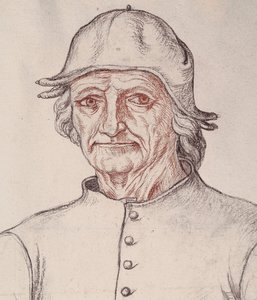
Херонимъс Бош

Херонимъс Бош

1450 - 1516 , Нидерландия

Бързи факти

  • Artistic Movement Or Style: Сюрреализъм, Символизъм
  • Artists Or Movements Influenced By This Artist: ['Питер Брюгхел старши']
  • Date Of Birth: c. 1450
  • Date Of Death: 1516
  • Full Name: Hieronymus Bosch
  • Nationality: Нидерландски
  • Notable Artworks:
    • Градина на земните удоволствия
    • Последното съждение
    • Изкачването на благочестивите
  • Place Of Birth: Den Bosch, Нидерландия

