x

 Preview
 Купи картина Купи изображение
 Изпрати
 Детайли
 Добавяне към любими
 Изтегляне
 Подобни
 Рентгенова снимка
 Слайдшоу
 Acrylic On CanvasWallArtNeoclassical Realism
 1778
1778 123.0 x 172.0 cm
 Musée Fabre
Giclée печат или принт върху платно с музейно качество, бързо производство и гъвкави опции за завършен вид.





























Изберете от предварително зададените размери, които съответстват на оригиналните пропорции на произведението.

Можете да въведете собствени размери, за да паснат на конкретна рамка или пространство. Ако избраният от Вас размер не съвпада с пропорциите на оригиналното изображение, ние ще изрежем произведението или ще разширим изображението с огледален или едноцветен ръб. Дигитален макет ще бъде изпратен за Ваше одобрение преди започването на производството.
Моля, имайте предвид, че предпрегледът на екрана не отразява реалното изрязване или разширяване. Само макетът ще покаже точно финалната композиция.
Въпреки че са налични персонализирани размери, препоръчваме да изберете размер от предварително дефинирания списък, за да запазите оригиналните пропорции.
Доставка по целия свят () в рамките на 2 седмици вместо стандартните 4/5 седмици. (24 Юли)


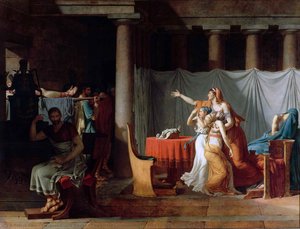
Hector
Размер на репродукцията
Jacques-Louis David's *Hector*, painted in 1778, is not merely a depiction of a fallen warrior; it’s a profound meditation on death, duty, and the burgeoning moral anxieties of late 18th-century France. This arresting image, rendered with the meticulous precision characteristic of David’s Neoclassical style, immediately confronts the viewer with a scene of brutal realism juxtaposed against an almost unnerving stillness. The subject, identified as Hector from Virgil's *Aeneid*, lies prone on the ground, his naked body a stark canvas for the crimson stain of blood – a visceral reminder of violent conflict and irreversible loss. The composition is deliberately austere, dominated by the figure’s physicality and the surrounding landscape, stripped of extraneous detail to amplify the emotional intensity.
David's mastery of Neoclassicism shines through in *Hector*. He consciously rejected the frivolous ornamentation of Rococo painting, favoring instead a structured composition rooted in classical ideals. The figure is positioned centrally within a shallow space, drawing immediate attention to his vulnerability. Notice how David employs dramatic chiaroscuro – the stark contrast between light and shadow – to sculpt the body, emphasizing its musculature and highlighting the wounds inflicted upon it. This technique wasn’t simply for aesthetic effect; it served to heighten the sense of pathos and underscore the tragic nature of Hector's demise. The carefully chosen rocks scattered around him aren’t decorative elements but rather anchors within this scene, grounding the figure in a desolate reality.
*Hector* is deeply layered with symbolic meaning, drawing heavily from classical mythology but resonating powerfully within the context of 1778 France. As a hero felled in battle, Hector embodies duty, honor, and sacrifice—values increasingly scrutinized during an era marked by social unrest and philosophical debate. The bowl placed near his hand isn’t simply a prop; it subtly suggests a final offering, perhaps to the gods or a plea for mercy – a poignant detail that amplifies the sense of helplessness. The reference to Virgil's *Aeneid* was particularly relevant at the time, as the epic poem explored themes of leadership, fate, and the responsibilities of rulers—topics that would soon become central to the revolutionary discourse.
Beyond its technical brilliance, *Hector* possesses a haunting emotional resonance. The painting doesn’t glorify war; it confronts us with its brutal consequences. The vulnerability of the fallen hero evokes empathy and prompts reflection on mortality and the fragility of human life. It's a work that speaks to the anxieties simmering beneath the surface of 18th-century France, an era poised on the brink of revolution. David’s *Hector* is more than just a historical painting; it’s a powerful statement about human nature, duty, and the enduring legacy of classical ideals—a timeless masterpiece rendered with unparalleled skill and profound emotional depth. A reproduction captures this intensity beautifully, offering a window into the mind of one of history's most influential artists.


1748 - 1800 , Франция

Разгледайте топ 25 шедьовъра от Метрополитън Музея на изкуствата – Ван Гог, Моне и други! Открийте историите зад известните картини, техниките и вдъхновението им. Купете висококачествени репродукции за вашия дом на Most-Famous-Paintings.com.

Разгледайте топ 25 шедьовъра от Националната художествена галерия във Вашингтон! От Сезан до Пикасо – истории на изкуството, техники и вдъхновение. Купете висококачествени репродукции и декорирайте с Most-Famous-Paintings.com.
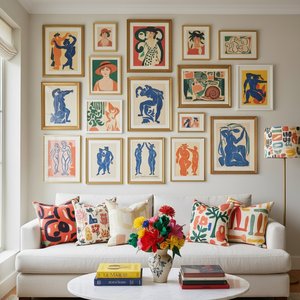
Разгледайте топ 25 шедьовъра на Анри Матис – от фовизма до абстрактното изкуство. Вдъхновете се за вашия интериор с цветните картини и репродукции високо качество на Most-Famous-Paintings.com. Открийте цялата колекция онлайн!

Открийте 25 шедьовъра на Джеймс Абът Макнил Уистлър! Разгледайте историите зад неговите емблематични ноктюрни, портрети и импресионистични картини. Вдъхновете се за вашия интериор с висококачествени репродукции на Most-Famous-Paintings.com

Разгледайте топ 25 шедьовъра на Клод Моне – импресионистични пейзажи, водни лилии и светлина в картините. Вдъхновете се за вашия декор с висококачествени репродукции на Most-Famous-Paintings.bg! Открийте цялата колекция онлайн.


Бъдете информирани за последните новини в света на изкуството, ексклузивни оферти и идеи за декорация.
Разкажете ни за вашия проект и нашите експерти по изкуство ще ви предложат 3 персонализирани предложения за произведения на изкуството.
Нека подберем 3 варианта само за вас – безплатно!


 Сподели

 Прочетете повече







 Стъклото е налично само в размери под 110 см