


x

 OilWallArtRomantic Landscape
 183019th Century
 24.0 x 19.0 cm
 Ашмолеан Музей на изкуството и археологията
Giclée печат или принт върху платно с музейно качество, бързо производство и гъвкави опции за завършен вид. ( Купете ръчно рисувана картина Купете изображение)





























Изберете от предварително зададените размери, които съответстват на оригиналните пропорции на произведението.

Можете да въведете собствени размери, за да паснат на конкретна рамка или пространство. Ако избраният от Вас размер не съвпада с пропорциите на оригиналното изображение, ние ще изрежем произведението или ще разширим изображението с огледален или едноцветен ръб. Дигитален макет ще бъде изпратен за Ваше одобрение преди започването на производството.
Моля, имайте предвид, че предпрегледът на екрана не отразява реалното изрязване или разширяване. Само макетът ще покаже точно финалната композиция.
Въпреки че са налични персонализирани размери, препоръчваме да изберете размер от предварително дефинирания списък, за да запазите оригиналните пропорции.
Доставка по целия свят () в рамките на 2 седмици вместо стандартните 4/5 седмици. (13 Август)


John Varley
Размер на репродукцията
In the quiet intimacy of John Linnell’s 1830 portrait, John Varley, we encounter more than just a likeness; we enter a profound moment of introspection. This exquisite piece serves as a masterful gateway to the Romantic era, a period defined by its deep reverence for individual emotion and the subtle complexities of the human psyche. The subject, captured with a contemplative and serene expression, invites the viewer into a silent dialogue. His gaze, heavy with thought, suggests a man lost in the labyrinth of his own reflections, making the painting feel less like a static image and more like a living, breathing fragment of history.
The composition is masterfully restrained, utilizing a minimalistic background that directs all emotional weight toward the sitter. A soft, diffused light filters through what appears to be a window frame, casting gentle shadows across the man's features. This delicate interplay of light and shadow—a technique reminiscent of the great masters—does not merely illuminate his face; it sculpts his character, highlighting the texture of his skin and the thoughtful set of his mouth. The presence of soft drapes in the periphery adds a layer of domestic warmth, grounding this profound psychological study within a quiet, indoor sanctuary.
Linnell’s technical prowess is evident in the way he balances precision with a certain painterly freedom. While the portrait maintains a striking clarity in the subject's face and formal attire, there is a beautiful, rhythmic movement found in the background. The artist employs loose, expressive brushstrokes that suggest the fleeting nature of light and the atmospheric quality of the air itself. This subtle tension between the detailed rendering of the man’s features and the more fluid, impressionistic treatment of his surroundings creates a sense of depth and vitality.
For the discerning collector or interior designer, this work offers a sophisticated textural element. The dark, heavy tones of the subject's high-collared coat provide a grounding weight that can anchor a room, while the soft, luminous highlights on the face offer a point of light and interest. Whether displayed in a sunlit gallery or a moody, library-style study, the painting brings an air of timeless elegance and intellectual depth to any space.
To possess a reproduction of John Varley is to bring a piece of British art history into the contemporary home. The painting transcends its 19th-century origins, offering a sense of calm and stability that is increasingly rare in our fast-paced modern world. It serves as an evocative focal point, sparking conversation about the nature of identity, memory, and the beauty found in quiet moments of solitude.
As an investment in atmosphere, this work appeals to those who appreciate the nuances of classical portraiture. It is a piece that does not shout for attention but rather commands it through its quiet dignity. For those seeking to curate a collection that celebrates the profound emotional resonance of the Romantic movement, Linnell’s depiction of Varley remains an incomparable choice, embodying a legacy of artistry that continues to inspire awe and admiration across generations.

John Linnell, born in Bloomsbury, London, in 1792, was a pivotal figure in 19th-century British art – a painter who skillfully blended the traditions of the past with subtle, yet significant, modern influences. His life’s work centered on capturing the essence of rural England and portraying its people with remarkable realism and emotional depth. Though his early career wasn't marked by widespread recognition during his lifetime, Linnell’s legacy has steadily grown, establishing him as a key representative of the Romantic era and a master of depicting the quiet beauty of everyday life.
Details surrounding John Linnell’s early years are somewhat sparse in readily available historical records. However, it's clear that he received a robust artistic education from a young age. His father, a carver and gilder, exposed him to the world of art and craftsmanship, fostering an innate appreciation for visual aesthetics. Linnell began drawing and selling portraits in chalk and pencil as early as ten years old, demonstrating a natural talent and entrepreneurial spirit. He received his initial artistic instruction from Benjamin West, a renowned portraitist, and spent a year studying under John Varley, a watercolor painter known for his vibrant landscapes. This formative period instilled in him a deep understanding of technique, composition, and the nuances of capturing light – elements that would become hallmarks of his distinctive style.
Linnell’s artistic style is immediately recognizable as a harmonious blend of traditional British art with subtle, yet deliberate, modern touches. He possessed an extraordinary eye for detail, meticulously rendering textures, colors, and forms to create remarkably lifelike images. His landscapes are imbued with a sense of tranquility and realism, while his portraits capture not only physical likeness but also the inner character of his subjects. Linnell’s use of color is particularly noteworthy – he often employed muted tones and subtle gradations to evoke atmosphere and mood. Several of his paintings stand out as prime examples of his skill and vision:
Linnell's artistic development was shaped by a diverse range of influences, including Leonardo da Vinci and Vincent van Gogh – artists whose works he deeply admired and studied. He also maintained close ties with other prominent figures in the art world, such as William Blake, to whom he introduced Samuel Palmer and others of the “Ancients.” Linnell’s work reflects the broader artistic currents of his time, encompassing elements of Romanticism and Neoclassicism. His ability to seamlessly integrate these diverse influences resulted in a uniquely personal style that resonated with audiences and critics alike.
John Linnell's contribution to British art lies not only in the beauty of his individual paintings but also in his ability to capture the spirit of 19th-century England. His depictions of rural life, portraits of notable figures, and landscapes offer a valuable window into the social and cultural landscape of that era. He skillfully blended realism with artistic sensitivity, preserving moments in time on canvas for future generations to appreciate. Linnell’s legacy continues to inspire artists and art enthusiasts today, solidifying his place as a significant figure in British art history. Most-Famous-Paintings.com provides an excellent opportunity to explore and acquire these remarkable works of art.

1959 - 1882 , Великобритания
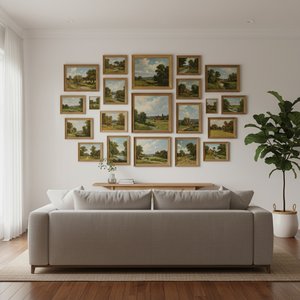
Открийте топ 25 шедьовъра на Джон Констабъл – английски пейзажи, романтизъм и красотата на природата. Репродукции с музейно качество за вашия дом! Разгледайте пълната колекция онлайн на Most-Famous-Paintings.com.

Explore the serene landscapes of John Varley I, a key figure in British Romanticism. Discover his unique watercolour style, collaboration with William Blake & lasting artistic legacy. Learn about collecting Varley's work.

Открийте 10 шедьовъра на Романтичния пейзаж – Фридрих, Търнър и други! Разгледайте историите зад картините, техниките и емоциите. Репродукции с музейно качество от Most-Famous-Paintings.com. Вдъхновете се за вашия дом!

Разгледайте 25 шедьовъра на Джон Сингър Сарджент – импресионистични портрети, елегантни дами и исторически сцени. Вдъхновете се за вашия дом! Луксозни репродукции на картини в Most-Famous-Paintings.com.
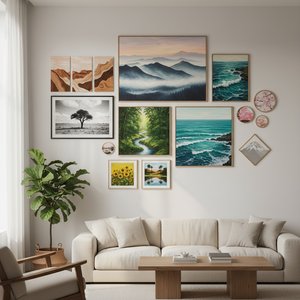
Открийте топ 10 шедьовъра в пейзажната живопис! Ван Гог, Моне и други велики художници. История на изкуството, техники и емоции. Репродукции с музейно качество за вашия дом от Most-Famous-Paintings.com.


Бъдете информирани за последните новини в света на изкуството, ексклузивни оферти и идеи за декорация.
Разкажете ни за вашия проект и нашите експерти по изкуство ще ви предложат 3 персонализирани предложения за произведения на изкуството.
Нека подберем 3 варианта само за вас – безплатно!


 Представи си го
 Изпрати
 Сподели
 Детайли

 Изтегляне
 Подобни
 Рентгенова снимка
 Слайдшоу
 Прочетете повече







 Стъклото е налично само в размери под 110 см


