x

 Acrylic On CanvasWallArtDadaism
 1925
1925 44.0 x 36.0 cm
 Музей на модерното изкуство (MoMA)
Закупете дигитално изображение с висока резолюция и подобрени характеристики, значително по-добро от онлайн прегледа.
Всеки файл е щателно подготвен от нашите специалисти с помощта на съвременни инструменти и експертна ръчна ретуш. Гарантираме, че всяко изображение има изключителна яснота, прецизна цветова точност и фини детайли.
Окончателният файл се доставя по имейл в рамките на 72 часа, оптимизиран за незабавна употреба в професионални, редакционни и печатни среди. Това е същото качество, на което се доверяват водещи дизайнерски студия, издатели и галерии.
Изтеглете файл с висока резолюция за лично показване, принтиране и творчески проекти. ( Купете принт Купете ръчно рисувана картина)
Когато изберете Most-Famous-Paintings.com, вие не получавате само изображение – вие получавате професионално подобрена дигитална творба, създадена с прецизност и подкрепена от гаранция за удовлетворение. Ето всичко, което автоматично се включва в вашата поръчка:

Вашето дигитално изображение с висока резолюция ще ви бъде изпратено по имейл в рамките на 72 часа от поръчката - готово за незабавно използване.

Вашата картина е професионално оптимизирана с помощта на усъвършенствани инструменти за изкуствен интелект и ръчна редакция, осигурявайки максимална детайлност, яснота и точност на цветовете.

Изгубили сте или сте премахнали файла си по погрешка? Не се притежнявайте – ще го изпратим отново на Вас по всяко време, безплатно.

Всредите си веднага без мита, данъци или такси по доставка - дигителните приложения винаги са без данъчно освободени.

Гарантираме, че вашето дигитално изображение отразява оригиналните цветове възможно най-точно, използвайки професионални инструменти и управление на цветовете.

Ако не сте доволни от вашето дигилно изображение, ще го коригираме или ще възмедим 100% в рамките на 60 дни – без никакви въпроси.

Не сте удовлетворени? Получавате пълно възстановяване на сумата в рамките на 60 дни след получаването на вашия цифров файл – без никакви въпроси.

Купете 3 изображения, спестете 10% - Купете 5, спестете 15% - Купете 10+, спестете 20%. Отлично за творчески проекти, галерии и агенства.
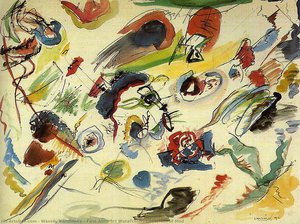
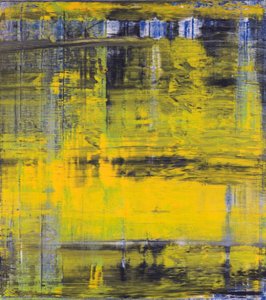
Kurt Schwitters’ “Elikan,” created in 1925, stands as a cornerstone of Dadaism and embodies the movement's radical rejection of traditional artistic conventions. More than just an assemblage of found objects—paper scraps, cardboard fragments, painted surfaces—it represents a profound exploration of chance, materiality, and the disintegration of established order amidst the turbulent aftermath of World War I.
Schwitters’ approach to art was fundamentally altered by the devastation wrought upon Europe. Disillusioned with academic formalism, he sought new methods of expression that mirrored the fractured reality surrounding him. Influenced heavily by Cubist collage techniques—specifically those pioneered by Pablo Picasso and Georges Braque—he adopted a strategy of constructing images from disparate elements, prioritizing spontaneity over meticulous planning.
The artwork itself is dominated by geometric forms: rectangles, squares, and triangles intersect and overlap, creating a dynamic visual landscape. Color plays an integral role, utilizing shades of blue, yellow, red, black, and white—a palette deliberately chosen to convey both emotional intensity and intellectual complexity. The textures vary considerably; some areas boast the rough surface of cardboard, while others display the smooth sheen of painted paper, highlighting Schwitters’ masterful manipulation of materials.
“Elikan,” like many of Schwitters’ Merz Pictures, eschews narrative storytelling in favor of a purely visual experience. Instead, it invites contemplation on concepts of fragmentation and reconstitution—themes central to Dada's critique of bourgeois values and its embrace of irrationality. The piece isn’t merely decorative; it’s a deliberate provocation, urging viewers to confront the instability inherent in modern existence.
Its impact extends beyond its formal qualities. Schwitters’ work anticipates later developments in installation art and conceptual art, demonstrating an unwavering commitment to exploring new possibilities for artistic expression. “Elikan” continues to resonate with audiences today as a testament to the enduring power of Dada's rebellious spirit—a celebration of imperfection and a refusal to accept dogma.
Schwitters’ fascination with the accidental nature of creation is palpable in every element of “Elikan.” The seemingly random arrangement of shapes and colors reflects his belief that art should emerge from unexpected encounters between disparate materials and ideas. This ethos aligns perfectly with Dada's manifesto, which proclaimed "Nothing is beautiful but what is accidental."
The photograph accompanying this description reveals subtle signs of wear—creases and slight discoloration—suggesting that it originates from an older source. However, this patina serves only to underscore the artwork’s historical significance and its enduring presence within the canon of modern art.


1887 - 1948


Бъдете информирани за последните новини в света на изкуството, ексклузивни оферти и идеи за декорация.
Разкажете ни за вашия проект и нашите експерти по изкуство ще ви предложат 3 персонализирани предложения за произведения на изкуството.
Нека подберем 3 варианта само за вас – безплатно!


 Представи си го
 Изпрати
 Сподели
 Детайли

 Изтегляне
 Подобни
 Рентгенова снимка
 Слайдшоу
 Прочетете повече