x

Ръчно рисувана маслена картина върху платно във вашия размер и рамка, изработена по поръчка от нашите художници. ( Купете принт Купете изображение)





























Изберете от предварително зададените размери, които съответстват на оригиналните пропорции на произведението.

Можете да въведете свои собствени размери, за да пасне на конкретна рамка или пространство. Ако избраният от вас размер не съответства на пропорциите на оригиналното изображение, ние ще изрежем произведението или ще удължим картината с допълнителни ръчно рисувани елементи. Дигитален макет ще бъде изпратен за ваше одобрение преди започване на производството.
Моля, обърнете внимание, че прегледът на екрана не отразява действителното изрязване или разширяване. Само макетът ще покаже точно финалния състав.
Въпреки че са налични персонализирани размери, препоръчваме да изберете размер от предварително дефинирания списък, за да запазите оригиналните пропорции.
Доставка по целия свят () в рамките на 3/4 седмици вместо стандартните 5 седмици. (18 Август). Без компромис с качеството.


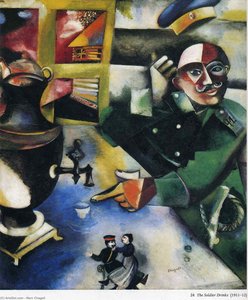
The Drunkard
Размер на репродукцията
Marc Chagall's "The Drunkard," painted in 1914, isn’t merely a depiction of a man lost to intoxication; it’s a profound exploration of vulnerability, societal pressure, and the enduring power of memory. Emerging from his formative years in Vitebsk, Belarus—a city steeped in both Jewish tradition and Russian Orthodox influence—the painting embodies Chagall's signature style: a vibrant collision of dreamlike imagery and stark emotional honesty. The work immediately arrests the viewer with its dramatic simplicity – a near-monochromatic palette dominated by black, white, and shades of grey, punctuated only by subtle tonal shifts that sculpt form and convey mood. This deliberate restriction forces us to focus on the core elements: the slumped figure of the drunkard and the outstretched hand offering support.
The composition itself is a masterclass in controlled imbalance. A forceful diagonal line, created by the supporting figure’s arm, pulls the eye downwards and slightly to the right, mirroring the downward trajectory of the man's head and body. This instability isn’t accidental; it speaks to the precariousness of his situation, both physical and emotional. The geometric background—a network of simplified shapes reminiscent of buildings or urban structures—adds another layer of complexity. These forms aren’t merely decorative; they suggest a confining environment, perhaps representing the societal pressures that contribute to the man's plight, or even the weight of tradition and expectation.
“The Drunkard” firmly situates itself within the burgeoning Expressionist movement, though Chagall’s unique perspective quickly distinguishes it. Like many Expressionists, Chagall prioritized conveying raw emotion over realistic representation. However, he achieves this through a remarkably controlled technique—likely lithography or a similar printmaking process. The bold, thick outlines defining the figures are characteristic of this medium, lending an almost graphic quality to the scene. The flatness of the image, devoid of traditional shading and texture, further emphasizes the work’s emotional intensity. This deliberate simplification allows the viewer to project their own feelings onto the subject, fostering a deeply personal connection with the artwork.
The use of line is particularly significant. It's not used to meticulously render form but rather to delineate edges and create a sense of movement. The lines are dynamic and slightly distorted, contributing to the overall feeling of unease and disorientation. This stylistic choice aligns perfectly with the painting’s thematic concerns – the man’s loss of control and the unsettling nature of his predicament.
Beyond its formal elements, “The Drunkard” is rich in symbolic meaning. The supporting figure, often interpreted as a caregiver or perhaps even a representation of faith, offers assistance but also bears the visible weight of that support. His posture suggests a quiet resignation, hinting at the burden of responsibility and the difficulty of truly helping someone lost to their own demons. The drunkard’s slumped form embodies vulnerability and isolation – he is both physically supported and emotionally distanced from connection. The tilted head and averted gaze further reinforce this sense of detachment.
Considering Chagall's personal history, rooted in the Hasidic Jewish community, it’s not surprising that themes of faith, tradition, and the struggle between individual desire and societal expectations permeate his work. “The Drunkard” can be seen as a meditation on these complex dynamics, offering a poignant glimpse into the human condition.
“The Drunkard,” completed just before World War I, resonates with an enduring power. It’s a work that transcends its specific historical context to speak to universal themes of suffering, compassion, and the search for meaning in a chaotic world. Chagall's masterful use of color, line, and composition creates a visually arresting image that simultaneously evokes empathy and contemplation. Reproductions of this iconic painting continue to captivate audiences today, serving as a potent reminder of our shared humanity and the importance of offering support to those who stumble along life’s difficult path.

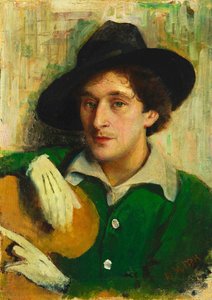
1887 - 1985 , Беларусь

Embark on a journey through the dreamlike masterpieces of Marc Chagall. Explore the profound symbolism and vibrant colors of this Surrealist icon. Discover the history behind his legendary works and find museum-quality, hand-painted oil reproductions at Most-Famous-Paintings.com.

Explore the profound history of Expressionism. From Edvard Munch to Jackson Pollock, discover how artists used distortion and color to convey raw emotion. A definitive guide for art lovers seeking deep historical context and mastery in fine art reproductions.

Explore the profound history of Surrealist Expressionism. Discover how artists blended dream logic with raw emotion to navigate post-war trauma through masterful, evocative imagery and psychological depth.


Бъдете информирани за последните новини в света на изкуството, ексклузивни оферти и идеи за декорация.
Разкажете ни за вашия проект и нашите експерти по изкуство ще ви предложат 3 персонализирани предложения за произведения на изкуството.
Нека подберем 3 варианта само за вас – безплатно!


 Представи си го
 Изпрати
 Сподели
 Детайли

 Изтегляне
 Подобни
 Рентгенова снимка
 Слайдшоу

 Прочетете повече







 Стъклото е налично само в размери под 110 см