Продавайте вашата изкуство
Списък с желания Пазарска количка Cart
x
Представи си гоПредстави си го AR прегледAR преглед Купете принт Купете принтКупете изображение Купете изображение ИзпратиИзпрати
ДетайлиДетайли Добавяне към любими Добавяне към любими ИзтеглянеИзтегляне ПодобниПодобни Рентгенова снимкаРентгенова снимка СлайдшоуСлайдшоу

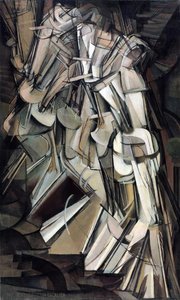
Study for ''Given: 1. The Waterfall, 2. Illuminating Gas''

Marcel Duchamp’s ‘Study for Given: 1. The Waterfall, 2. Illuminating Gas’ – a striking abstract nude study in oil & line. Explore Cubist form & texture.

Марсел Дюшан: Революционен художник, който предизвика определението за изкуство с Дадаизъм и редимейд обекти като "Фонтан". Разгледайте неговите емблематични творби и философско влияние.

Ръчно изработена маслена репродукция

Ръчно рисувана маслена картина върху платно във вашия размер и рамка, изработена по поръчка от нашите художници. (Купете принт Купете принтКупете изображение Купете изображение)

P118B $10
P118H $10
P118W $10
P438Z $10
P508JH $12
P508YH $12
P805H $10
P805Z $10
P919BZ $10
P919G $10
P919XJ $10
P959ZH $10
P968JZ $12
W106C $8
W218G $10
W218JH $8
W218Y $10
W307PJ $10
W316G $10
W316PJ $8
W316Y $10
W398PJ $8
W4111J $10
W500HY $15
W500JH $15
W692G $12
W849H $8
W940BG $15
W953PJ $8

Standard
custom
CM
INCH

Изберете от предварително зададените размери, които съответстват на оригиналните пропорции на произведението.

ширина
височина

Можете да въведете свои собствени размери, за да пасне на конкретна рамка или пространство. Ако избраният от вас размер не съответства на пропорциите на оригиналното изображение, ние ще изрежем произведението или ще удължим картината с допълнителни ръчно рисувани елементи. Дигитален макет ще бъде изпратен за ваше одобрение преди започване на производството.
Моля, обърнете внимание, че прегледът на екрана не отразява действителното изрязване или разширяване. Само макетът ще покаже точно финалния състав.
Въпреки че са налични персонализирани размери, препоръчваме да изберете размер от предварително дефинирания списък, за да запазите оригиналните пропорции.

Примери за това какво може да се промени: Заменете лице с клиентска снимка; Добавете домашен любимец (например заменете котка с куче); Включете скрито послание на фона; Променете пейзажа или елементите на фона.
След поръчка, екипът на Most-Famous-Paintings.com ще изпрати имейл на клиента за инструкции и ще предостави преглед на макет.

Доставка по целия свят () в рамките на 3/4 седмици вместо стандартните 5 седмици. (18 Август). Без компромис с качеството.

why_choose_icon
Безплатна експресна доставка по целия свят
why_choose_icon
Висококачествено ленено платно
why_choose_icon
Пълно застраховане при доставка
why_choose_icon
Гаранция за възстановяване на митнически такси
why_choose_icon
Гаранция за цветова точност
why_choose_icon
60-Дневен период за връщане (Само при дефекти)
why_choose_icon
100% Гаранция за връщане на парите
why_choose_icon
Предложение за отстъпка при поръчка на едро

Обща цена

$ 272

reproduction

Study for ''Given: 1. The Waterfall, 2. Illuminating Gas''

Репродукционен метод

Размер на репродукцията

-

Обща цена

$ 272

Бързи факти

  • subject: Nude female figure
  • year: 1949
  • title: Study for ''Given: 1. The Waterfall, 2. Illuminating Gas''
  • medium: Oil on canvas (presumed)
  • artist: Marcel Duchamp

Тест за изкуство

Има само един верен отговор за всеки въпрос.

Въпрос 1:
To which artistic movements is Marcel Duchamp's 'Study for ''Given: 1. The Waterfall, 2. Illuminating Gas'' ' most closely associated?
Въпрос 2:
What is the primary subject matter of this artwork?
Въпрос 3:
The description notes that Duchamp's work often challenges traditional notions of art. Which of his famous works exemplifies this challenge most prominently?
Въпрос 4:
How would you best describe the artist's approach to form in 'Study for ''Given: 1. The Waterfall, 2. Illuminating Gas'' '?
Въпрос 5:
What is a key characteristic emphasized in the artwork's description, alongside form?

Описание на произведението

A Study in Form: Marcel Duchamp’s ‘Given: 1. The Waterfall, 2. Illuminating Gas’

This captivating work by Marcel Duchamp, created in 1949, is not a finished painting but rather a meticulously planned *study* for his ambitious and enigmatic final project, “Étant donnés” (Given). It offers a compelling glimpse into the artist's evolving artistic concerns and provides valuable insight into the complex layers of meaning embedded within his larger work. The piece presents an abstracted nude female figure dramatically positioned against a textured, undulating backdrop.

Deconstructing the Figure: Style & Technique

Duchamp’s approach here is decidedly anti-illusionistic. He eschews traditional representational techniques in favor of a highly stylized and geometric rendering. The figure is broken down into simplified planes and angular lines, reminiscent of Cubism and early Modernist aesthetics. This fragmentation isn't about accurately depicting the human form; it’s about exploring its essential structure and challenging conventional notions of beauty. The artist employs a limited palette of browns and earth tones, emphasizing texture through visible brushstrokes and layered paint application – suggesting an almost sculpted quality to both figure and ground. The technique prioritizes form, line, and surface over realistic depiction.

Duchamp & the Nude: A Historical Context

Throughout art history, the nude has served as a vehicle for exploring ideals of beauty, mythology, and religious narratives. Duchamp, however, subverts this tradition. While acknowledging the historical weight of the nude in Western art – from classical Greek sculpture to Renaissance masterpieces – he deliberately dismantles its conventional associations. His work exists within a post-war artistic landscape grappling with existentialism and challenging established norms. The history of the nude is complex; as explored by scholars like Kenneth Clark, there's a distinction between being “naked” (stripped of clothing) and presenting a carefully constructed "nude" – an idealized form. Duchamp’s work leans towards a deconstruction of both concepts, offering something altogether different.

Unveiling the Symbolism: Beyond Representation

The title itself, “Given: 1. The Waterfall, 2. Illuminating Gas,” is deliberately ambiguous and invites multiple interpretations. Duchamp was fascinated by wordplay and paradoxes, often embedding hidden meanings within his titles and imagery. The waterfall could symbolize a flow of energy or unconscious desires, while the illuminating gas might represent revelation or exposure. However, Duchamp resisted definitive explanations, preferring to leave room for individual interpretation. The work’s power lies in its open-endedness; it doesn't *tell* you what to think but rather *provokes* questions about perception, desire, and the nature of representation.

Emotional Resonance & Artistic Legacy

Despite its abstract style, this study evokes a powerful sense of tension and mystery. The figure’s contorted pose and fragmented form suggest vulnerability and perhaps even a subtle eroticism, though it's presented in a detached, almost clinical manner. This deliberate ambiguity is characteristic of Duchamp’s work. It challenges viewers to confront their own preconceptions about the body, sexuality, and art itself. As a precursor to “Étant donnés,” this study stands as a testament to Duchamp’s innovative spirit and his enduring influence on 20th-century art – particularly Conceptual Art and its emphasis on ideas over aesthetics. It's a piece that rewards careful contemplation and continues to resonate with audiences today.

Considerations for Collectors & Designers

  • A Statement Piece: This artwork, or a high-quality reproduction, serves as a striking focal point in any collection.
  • Modern Interiors: Its abstract form and muted color palette complement modern and minimalist interior design schemes.
  • Conversation Starter: Duchamp’s work is renowned for its intellectual depth and ability to spark dialogue.
  • Historical Significance: Owning a piece connected to such an influential artist adds prestige and cultural value.

Биография на художника

Marcel Duchamp (1887–1968): A Revolutionary Spirit

Marcel Duchamp, Henri-Robert-Marcel Duchamp, was born in Blainville-sur-Mer, Normandy, France, on July 28, 1887. His artistic lineage traced back to his father, a notary, and his brother Jacques Villon, who established himself as a successful painter – a familial encouragement that nevertheless wouldn’t fully encapsulate the rebellious spirit that would define Duchamp's life and career. Initially drawn to formal training in Paris, he mastered traditional techniques and experimented with Post-Impressionist styles, absorbing influences from artists like Cézanne and Gauguin. However, this grounding in academic art served as a crucial catalyst for his profound questioning of artistic conventions. He recognized that mere visual representation wasn’t sufficient to grapple with the existential anxieties of the era—specifically, the devastating impact of World War I on European society. This disillusionment fueled his embrace of Dadaism, a movement born from utter rejection of logic and reason, marking a decisive break from established artistic paradigms.

Early Artistic Explorations: Cubism and Impressionism

Duchamp’s initial foray into art began with an exploration of Cubism alongside Jacques Villon. Their collaborative efforts yielded works like *Portrait of Chess Players* (1911), demonstrating a fascination for fragmented forms and multiple perspectives—a radical departure from the single viewpoint championed by earlier artistic traditions. While acknowledging the aesthetic merits of Cubist principles, Duchamp swiftly transcended purely visual concerns, perceiving that artistic expression demanded more than just rearranging elements on canvas. He sought to engage with deeper philosophical questions about perception and reality. This intellectual curiosity would propel him toward Dadaism and beyond.

The Dadaist Rebellion: Challenging Artistic Boundaries

Duchamp’s involvement in Dadaism solidified his commitment to dismantling conventional notions of art. Rejecting the values of beauty, craftsmanship, and emotional expression—characteristics deemed paramount by mainstream artistic circles—he championed a stance of deliberate provocation. Dada artists aimed not to create aesthetically pleasing objects but rather to disrupt established hierarchies and expose the absurdity inherent in societal norms. Duchamp’s Dadaist output included provocative collages and assemblages that questioned accepted standards of taste and challenged viewers to confront uncomfortable truths. The movement's manifesto proclaimed “Anti-art,” asserting that art should be conceived as a negation of everything it represented.

The Birth of Conceptual Art: ‘Ready-Made’ Sculpture

Duchamp’s most enduring contribution to the history of art arrived in 1917 with his groundbreaking concept of the ‘ready-made.’ Recognizing that artistic creativity extended beyond mere manual skill, he questioned whether an object could be considered art if it was simply presented as such—without any transformative intervention. His seminal work, *Fountain* (1917), consisted of a porcelain urinal signed “R. Mutt,” submitted anonymously to Marcel Duchamp’s own exhibition in New York City. This audacious act deliberately undermined the distinction between artwork and everyday object, sparking intense debate about authorship, originality, and the very definition of artistic value. It established Conceptual Art as a dominant force in postwar art, prioritizing ideas over visual form.

Later Works: The Large Glass and Beyond

Duchamp continued to push boundaries throughout his career, culminating in *The Large Glass* (1915–1923), an ambitious multi-faceted project incorporating glass panels, enamel paint, and intricate sculptural elements. This monumental artwork explored themes of illusion, perception, and the subconscious—reflecting Duchamp’s lifelong fascination with psychoanalysis and his desire to delve into the complexities of human consciousness. His later explorations encompassed film, poetry, and graphic design, demonstrating a multifaceted artistic sensibility that defied categorization. Marcel Duchamp died October 2, 1968, leaving behind an unparalleled legacy as one of the most influential figures in modern art—a testament to his unwavering conviction that art should provoke thought and challenge accepted conventions. His influence persists today, inspiring artists to question assumptions about creativity and artistic expression.
Марсел Дюшан

Марсел Дюшан

1887 - 1968 , Франция

Бързи факти

  • Artistic Movement Or Style:
    • Кубизъм
    • Дадаизъм
    • Концептуален изкуство
  • Artists Or Movements Influenced By This Artist:
    • Концептуално изкуство
    • Поп арт
    • Минимализъм
  • Date Of Birth: Юли 28, 1887
  • Date Of Death: Октомври 2, 1968
  • Full Name: Marcel Duchamp
  • Nationality: Френски-Американски
  • Notable Artworks:
    • Фонтан
    • Л.Х.О.О.К.
    • Голям стъкло
  • Place Of Birth: Блейнвил, Франция
Разгледайте произведения на изкуството, организирани по теми, стилове и характеристики.