


x

 Купи картина Купи изображение
 Изпрати
 Детайли
 Добавяне към любими
 Изтегляне
 Подобни
 Рентгенова снимка
 Слайдшоу
 Acrylic On CanvasWallArtColor Field
 1964Modern
 206.0 x 196.0 cm
Giclée печат или принт върху платно с музейно качество, бързо производство и гъвкави опции за завършен вид.





























Изберете от предварително зададените размери, които съответстват на оригиналните пропорции на произведението.

Можете да въведете собствени размери, за да паснат на конкретна рамка или пространство. Ако избраният от Вас размер не съвпада с пропорциите на оригиналното изображение, ние ще изрежем произведението или ще разширим изображението с огледален или едноцветен ръб. Дигитален макет ще бъде изпратен за Ваше одобрение преди започването на производството.
Моля, имайте предвид, че предпрегледът на екрана не отразява реалното изрязване или разширяване. Само макетът ще покаже точно финалната композиция.
Въпреки че са налични персонализирани размери, препоръчваме да изберете размер от предварително дефинирания списък, за да запазите оригиналните пропорции.
Доставка по целия свят () в рамките на 2 седмици вместо стандартните 4/5 седмици. (22 Юли)


No. 5
Размер на репродукцията
Mark Rothko's "No. 5," painted in 1964, is not merely a canvas filled with color; it’s an intensely personal and profoundly moving exploration of human emotion and the weight of existence. This monumental work, measuring 206 x 196 cm, exemplifies Rothko’s signature style – large-scale rectangular blocks of saturated color that seem to bleed into one another, creating a hypnotic effect on the viewer. The painting's stark simplicity—a vast, dark square dominating the composition—immediately confronts us with an unsettling void, prompting contemplation about mortality, isolation, and the fundamental questions of human experience.
Created during a pivotal moment in art history, "No. 5" is inextricably linked to the rise of Color Field painting in the mid-20th century. Rothko, along with artists like Barnett Newman and Clyfford Still, rejected traditional representational forms, seeking instead to express profound emotional states through pure color. Influenced by Abstract Expressionism’s emphasis on subjective experience, Rothko developed a technique that involved layering thin washes of acrylic paint, allowing the colors to subtly shift and merge under layers of varnish. This process created an almost sculptural quality, emphasizing the materiality of the canvas itself.
Born in 1903 in Daugavpils, Latvia (then part of the Russian Empire), Mark Rothko’s life was marked by displacement and loss – experiences that deeply informed his artistic vision. The painting's dark square can be interpreted as a visual representation of this sense of void, reflecting the anxieties and uncertainties inherent in the human condition. Some scholars suggest the work is an exploration of trauma, referencing Rothko's own difficult childhood and the pervasive atmosphere of fear and instability he experienced growing up within a Jewish family during times of political unrest. The sheer scale of the canvas amplifies this feeling, enveloping the viewer in a space of quiet contemplation.
"No. 5" is a testament to Rothko’s mastery of color and texture. The subtle gradations within the dark blocks, achieved through meticulous layering and blending, create an illusion of depth and movement. The photograph captures this intricate detail perfectly, revealing the artist's deliberate control over light and shadow. The painting’s impact isn’t about visual spectacle; it’s about a deeply felt emotional response. Rothko aimed to evoke a sense of awe and vulnerability in the viewer, inviting them to confront their own mortality and grapple with the complexities of human existence. This reproduction offers an unparalleled opportunity to experience the power and beauty of this iconic work firsthand.
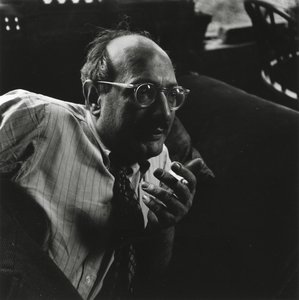
1903 - 1970 , Латвия
Открийте магията на монохромния дизайн! Експертни съвети за създаване на елегантни и хармонични интериори с помощта на светлина, текстури и абстрактно изкуство. Вдъхновение и идеи за вашия дом.

Explore the profound emotional depth of Mark Rothko's abstract expressionism. Discover the history, techniques & lasting impact of this pivotal Color Field painter. Expert insights for collectors and art enthusiasts.
Открийте топ 25 шедьовъра на Казимир Малевич – пионер на абстрактното изкуство и супрематизма. Разгледайте историите зад „Черно квадратче“ и други емблематични творби. Висококачествени репродукции за вашия дом в Most-Famous-Paintings.com!

Открийте топ 10 шедьоври с акрил върху платно, променили изкуството! Разгледайте историите на велики художници и техните цветни творби. Репродукции с музейно качество в Most-Famous-Paintings.com – за вашия дом или колекция. Explore the full collection online!

Разгледайте топ 10 шедьовъра, доминирани от нюансите на слоновата кост и черното! Открийте историите зад известни картини от импресионизма до абстрактното изкуство. Купете висококачествени репродукции на Most-Famous-Paintings.com и превърнете дома си в галерия.


Бъдете информирани за последните новини в света на изкуството, ексклузивни оферти и идеи за декорация.
Разкажете ни за вашия проект и нашите експерти по изкуство ще ви предложат 3 персонализирани предложения за произведения на изкуството.
Нека подберем 3 варианта само за вас – безплатно!


 Сподели

 Прочетете повече







 Стъклото е налично само в размери под 110 см


