


x

Ръчно рисувана маслена картина върху платно във вашия размер и рамка, изработена по поръчка от нашите художници. ( Превключване към печат Превключване към изображение)





























Изберете от предварително зададените размери, които съответстват на оригиналните пропорции на произведението.

Можете да въведете свои собствени размери, за да пасне на конкретна рамка или пространство. Ако избраният от вас размер не съответства на пропорциите на оригиналното изображение, ние ще изрежем произведението или ще удължим картината с допълнителни ръчно рисувани елементи. Дигитален макет ще бъде изпратен за ваше одобрение преди започване на производството.
Моля, обърнете внимание, че прегледът на екрана не отразява действителното изрязване или разширяване. Само макетът ще покаже точно финалния състав.
Въпреки че са налични персонализирани размери, препоръчваме да изберете размер от предварително дефинирания списък, за да запазите оригиналните пропорции.
Доставка по целия свят () в рамките на 3/4 седмици вместо стандартните 5 седмици. (9 Август). Без компромис с качеството.


Portrait 1
Размер на репродукцията
The canvas holds an arresting stillness—a portrait not merely of a man but of the profound contemplation inherent in confronting one's own mortality. Painted by Mark Rothko in 1963, shortly before his death, this work embodies the artist’s signature approach to abstraction: layering blocks of color onto canvas with deliberate precision and unwavering conviction.
Rothko eschewed representational imagery altogether, opting instead for a method he termed “condensation.” He applied thin washes of pigment—primarily cadmium yellow, crimson red, and ultramarine blue—to create expansive rectangles that bleed into one another. This technique wasn’t about depicting an external reality; it was about channeling internal feeling directly onto the surface of the artwork. The resulting hues aren't merely pigments on canvas; they are conduits for emotion – a deliberate attempt to bypass intellectual analysis and tap into primal sensations.
Rothko’s work emerged during the burgeoning Minimalist movement of the 1960s, a reaction against the excesses of Abstract Expressionism that preceded it. While contemporaries like Jackson Pollock wrestled with dynamism and gesture, Rothko sought refuge in simplicity—a deliberate stripping away of extraneous detail to focus solely on color and form. This stylistic choice coincided with a period marked by significant social upheaval: the Vietnam War raged, civil rights activism gained momentum, and anxieties about nuclear annihilation permeated the cultural landscape.
The seemingly unassuming rectangles themselves are laden with symbolic significance. Rothko believed that color possessed inherent spiritual qualities—that it could evoke profound psychological states without resorting to explicit imagery. The dominant hues – yellow, red, and blue – represent not specific concepts but rather fundamental aspects of human experience: optimism, passion, and melancholy respectively. Critics have interpreted these colors as reflections of Rothko’s own emotional landscape, suggesting that the painting serves as a visual manifestation of his inner turmoil and yearning for transcendence.
Viewing Rothko’s Portrait of Existential Uncertainty is an experience akin to entering a meditative space. The sheer scale of the canvas—approximately 68 x 48 inches—forces the viewer to confront their own gaze, inviting introspection and prompting questions about identity and purpose. There's no narrative to follow, no figure to analyze; instead, one is immersed in a sea of color that washes over the senses, leaving behind a residue of quiet contemplation – a testament to Rothko’s enduring ability to capture the essence of human consciousness.

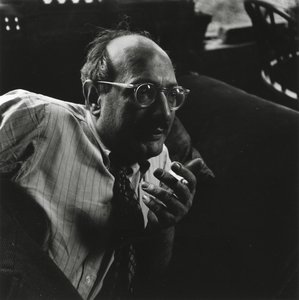
1903 - 1970 , Латвия

Explore the profound emotional depth of Mark Rothko's abstract expressionism. Discover the history, techniques & lasting impact of this pivotal Color Field painter. Expert insights for collectors and art enthusiasts.
Открийте топ 10 шедьовъра, доминирани от хромово жълто! Разгледайте историите на Ван Гог, Моне и други велики художници. Вдъхновете се за вашия дом с Most-Famous-Paintings.com – репродукции картини с музейно качество.

Разгледайте трансформацията на съвременното абстрактно живописване чрез светлината и възприятието. Експертен анализ, ключови художници и съвети за колекционери. Most-Famous-Paintings.

Explore the profound emotional depth & formal innovations of abstract painting. Discover key artists like Rothko & Kandinsky, understand art collecting insights, and elevate your space with timeless masterpieces. Expert analysis for discerning collectors.
Разгледайте топ 10 шедьовъра, доминирани от нюансите на черното! Открийте историите зад известни картини от експресионизма и сюрреализма. Купете висококачествени репродукции за вашия дом на Most-Famous-Paintings.com


Бъдете информирани за последните новини в света на изкуството, ексклузивни оферти и идеи за декорация.
Разкажете ни за вашия проект и нашите експерти по изкуство ще ви предложат 3 персонализирани предложения за произведения на изкуството.
Нека подберем 3 варианта само за вас – безплатно!


 Представи си го
 Изпрати
 Сподели
 Детайли

 Изтегляне
 Подобни
 Рентгенова снимка
 Слайдшоу
 Прочетете повече







 Стъклото е налично само в размери под 110 см


