


x
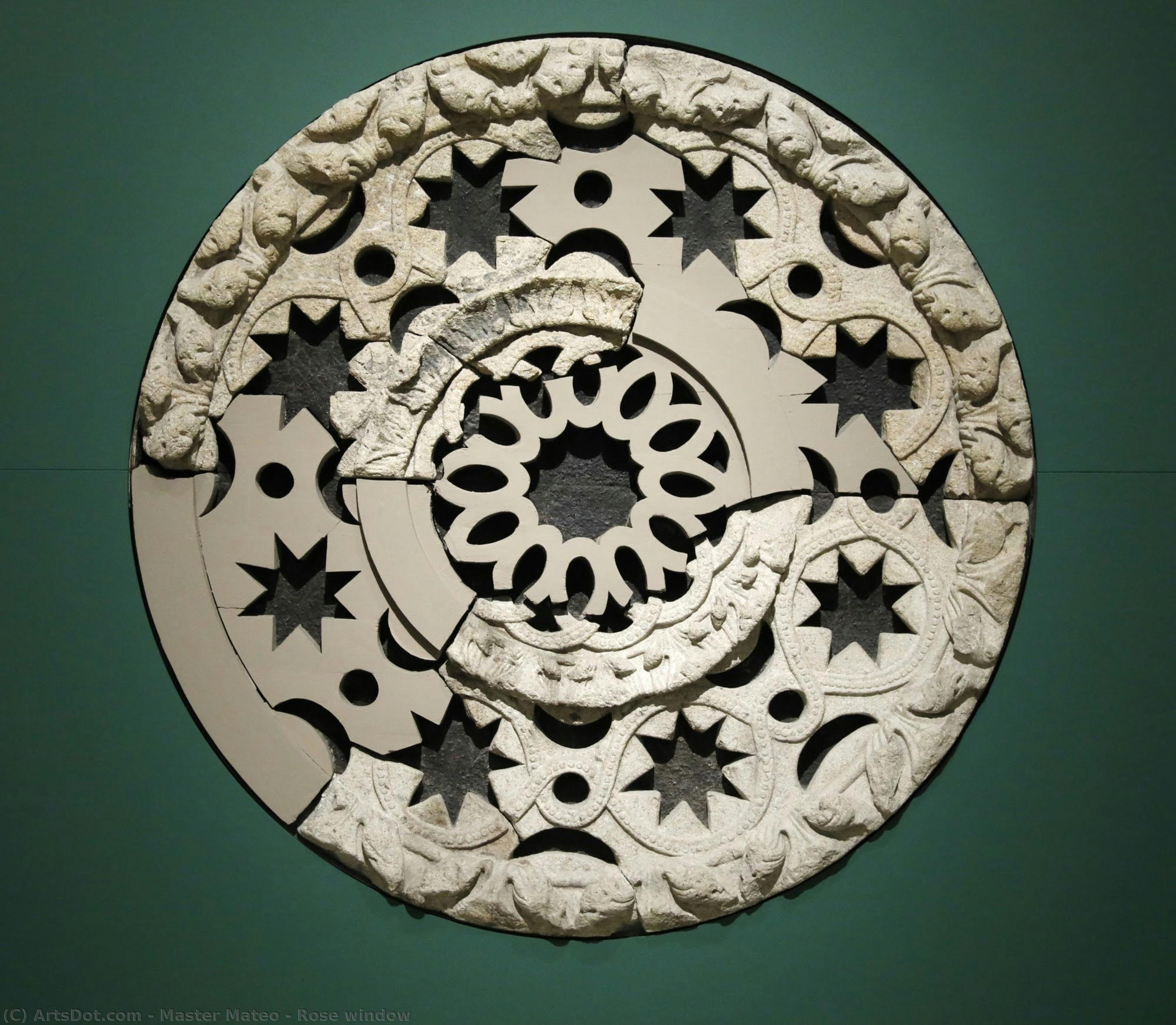
 1200
1200 197.0 x 197.0 cm
 Музей на Катедралата Сантяго де Компостела
Закупете дигитално изображение с висока резолюция и подобрени характеристики, значително по-добро от онлайн прегледа.
Всеки файл е щателно подготвен от нашите специалисти с помощта на съвременни инструменти и експертна ръчна ретуш. Гарантираме, че всяко изображение има изключителна яснота, прецизна цветова точност и фини детайли.
Окончателният файл се доставя по имейл в рамките на 72 часа, оптимизиран за незабавна употреба в професионални, редакционни и печатни среди. Това е същото качество, на което се доверяват водещи дизайнерски студия, издатели и галерии.
Изтеглете файл с висока резолюция за лично показване, принтиране и творчески проекти. ( Купете принт Купете ръчно рисувана картина)
Когато изберете Most-Famous-Paintings.com, вие не получавате само изображение – вие получавате професионално подобрена дигитална творба, създадена с прецизност и подкрепена от гаранция за удовлетворение. Ето всичко, което автоматично се включва в вашата поръчка:

Вашето дигитално изображение с висока резолюция ще ви бъде изпратено по имейл в рамките на 72 часа от поръчката - готово за незабавно използване.

Вашата картина е професионално оптимизирана с помощта на усъвършенствани инструменти за изкуствен интелект и ръчна редакция, осигурявайки максимална детайлност, яснота и точност на цветовете.

Изгубили сте или сте премахнали файла си по погрешка? Не се притежнявайте – ще го изпратим отново на Вас по всяко време, безплатно.

Всредите си веднага без мита, данъци или такси по доставка - дигителните приложения винаги са без данъчно освободени.

Гарантираме, че вашето дигитално изображение отразява оригиналните цветове възможно най-точно, използвайки професионални инструменти и управление на цветовете.

Ако не сте доволни от вашето дигилно изображение, ще го коригираме или ще възмедим 100% в рамките на 60 дни – без никакви въпроси.

Не сте удовлетворени? Получавате пълно възстановяване на сумата в рамките на 60 дни след получаването на вашия цифров файл – без никакви въпроси.

Купете 3 изображения, спестете 10% - Купете 5, спестете 15% - Купете 10+, спестете 20%. Отлично за творчески проекти, галерии и агенства.

Master Mateo, a sculptor whose name remains shrouded in mystery despite his monumental contribution to the Catedral de Santiago de Compostela Cathedral, stands as one of the most revered figures of Romanesque art in Spain. Born around 1161 in Galicia, though precise details about his life are scarce, Mateo’s legacy rests primarily on his unparalleled achievement: the Portico de la Gloria. This breathtaking architectural marvel dominates the cathedral’s façade and embodies the spiritual fervor of the twelfth century. He emerged as a sculptor during a period marked by fervent religious devotion and artistic innovation, stepping into a world where the pilgrimage route to Santiago was already a transformative journey for thousands of souls.
The genesis of his greatest work began around 1188, when he was tasked with overseeing the creation of the triple doorway that would become his magnum opus. The Cathedral project itself had been conceived decades earlier, driven by King Alfonso VIII and fueled by the immense religious significance of the site. Within this sacred context, Mateo did not merely carve stone; he breathed life into it. His involvement in the Portico de la Adamant was a divine undertaking, transforming a structural necessity into a theological narrative that continues to captivate pilgrims and art historians alike.
Mateo's sculptural style is characterized by a remarkable realism that represented a profound departure from earlier, more rigid Romanesque conventions. While his contemporaries often relied on stylized, flat figures, Mateo meticulously studied human anatomy and the complex behavior of drapery, achieving an astonishing accuracy in his depictions. His mastery of limestone carving was unparalleled, particularly through his use of a technique known as trabajo vivo. This method involved layering stone slabs to create textured surfaces that mimicked the appearance of flesh and fabric, lending a sense of movement and vitality to the static medium.
This innovative approach allowed him to bridge the gap between the earthly and the divine. When observing his work, one can see how he skillfully employed light and shadow to enhance the depth of his reliefs. His ability to manipulate stone to suggest the softness of a saint's robe or the muscular tension of a biblical figure elevated his craftsmanship to a level of sophistication rarely seen in the Middle Ages. This technical brilliance ensured that his figures were not merely symbols, but palpable presences within the cathedral's entrance.
The Portico de la Gloria serves as the ultimate testament to Mateo’s artistic and spiritual vision. Its central panels depict profound scenes from the Gospels—including the Nativity, Annunciation, and the Crucifixion—arranged in a way that guides the viewer through a sacred history. The iconography is vast and complex, featuring:
Through these works, Mateo achieved a level of historical significance that transcends the era of his birth. He transitioned the Romanesque style toward the burgeoning elegance of the Gothic, leaving behind a legacy that remains the heartbeat of Santiago de Compostela. His work stands as a permanent bridge between the medieval mind and the eternal, ensuring that even centuries after his death in 1217, the glory of his stone symphony continues to inspire awe.

1161 - 1217 , Spain


Бъдете информирани за последните новини в света на изкуството, ексклузивни оферти и идеи за декорация.
Разкажете ни за вашия проект и нашите експерти по изкуство ще ви предложат 3 персонализирани предложения за произведения на изкуството.
Нека подберем 3 варианта само за вас – безплатно!


 Представи си го
 Изпрати
 Сподели
 Детайли

 Изтегляне
 Подобни
 Рентгенова снимка
 Слайдшоу
 Прочетете повече


