x

Giclée печат или принт върху платно с музейно качество, бързо производство и гъвкави опции за завършен вид. ( Превключване към ръчно рисувана картина Превключване към изображение)





























Изберете от предварително зададените размери, които съответстват на оригиналните пропорции на произведението.

Можете да въведете собствени размери, за да паснат на конкретна рамка или пространство. Ако избраният от Вас размер не съвпада с пропорциите на оригиналното изображение, ние ще изрежем произведението или ще разширим изображението с огледален или едноцветен ръб. Дигитален макет ще бъде изпратен за Ваше одобрение преди започването на производството.
Моля, имайте предвид, че предпрегледът на екрана не отразява реалното изрязване или разширяване. Само макетът ще покаже точно финалната композиция.
Въпреки че са налични персонализирани размери, препоръчваме да изберете размер от предварително дефинирания списък, за да запазите оригиналните пропорции.
Доставка по целия свят () в рамките на 2 седмици вместо стандартните 4/5 седмици. (6 Август)


Untitled 29
Размер на репродукцията
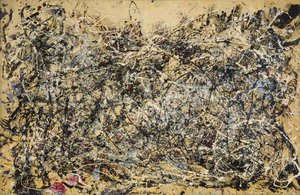
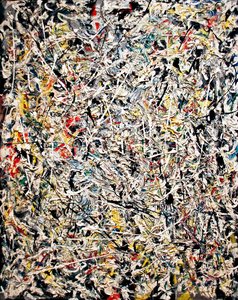
Jackson Pollock, a name synonymous with Abstract Expressionism and revolutionary artistic technique, often surprises viewers when confronted with works like “Untitled 29.” While instantly recognizable as a product of his hand, this pencil drawing offers a fascinating departure from the explosive canvases for which he is celebrated. It’s a window into the artist's creative process, revealing a foundational skill in draftsmanship and a penchant for dynamic form that predates – and perhaps informs – his famed “drip” paintings. The work depicts a powerfully rendered creature, reminiscent of a bull or ram, not as a realistic depiction but as an embodiment of raw energy and primal force. The absence of a title encourages viewers to engage directly with the image, interpreting its meaning without preconceived notions.
“Untitled 29” is executed entirely in graphite pencil, showcasing Pollock’s mastery of tonal variation and line work. The composition isn't about delicate shading or precise rendering; instead, it embraces bold, expressive lines that define the creature’s muscular structure. The artist employs a geometric approach to form, angular shapes contributing to a sense of stylized power. This is not an animal observed from life, but one conjured from imagination – a mythical beast brought forth through deliberate mark-making. The layering of pencil strokes creates a rich texture, a tactile quality that invites close inspection. The technique feels almost sculptural, building form through density and contrast. It’s a testament to Pollock's early training in traditional art techniques, skills he would later dismantle and reconstruct within his groundbreaking abstract style.
To understand “Untitled 29,” it’s crucial to consider the artistic landscape that shaped Pollock. His formative years were marked by exposure to Regionalist painters like Thomas Hart Benton, whose emphasis on American themes and dynamic compositions resonated with the young artist. However, Pollock didn't simply mimic these influences; he absorbed them, filtered them through his own sensibility, and ultimately forged a new path. The influence of Surrealism is also palpable – not in overt imagery, but in the exploration of the subconscious and the embrace of automatism, a technique where artistic creation proceeds without conscious control. Furthermore, Pollock’s fascination with Native American art, stemming from childhood experiences accompanying his father on surveying trips, likely contributed to his appreciation for bold forms and symbolic representation. This drawing can be seen as an early experiment in distilling these influences into a uniquely personal visual language.
While devoid of explicit narrative, “Untitled 29” evokes a powerful emotional response. The creature’s angled pose and intense gaze convey a sense of contained energy, perhaps even menace. Bulls and rams have long been symbols of strength, virility, and untamed power across various cultures – associations that undoubtedly contribute to the drawing's impact. The lack of background or contextual elements focuses all attention on the creature itself, amplifying its presence and symbolic weight. The work isn’t about telling a story; it’s about evoking a feeling—a primal connection to forces beyond our control. It is an exploration of form and energy that resonates with the core tenets of Abstract Expressionism, foreshadowing the larger-scale explorations Pollock would soon undertake with paint.


1912 - 1956 , Съединени американски щати

Explore the revolutionary art of Jackson Pollock & Abstract Expressionism. Discover his iconic drip paintings, lasting impact, and considerations for collecting this pivotal American artist. Expert insights at Most-Famous-Paintings.

Открийте красотата на абстрактното изкуство с Most-Famous-Paintings! Ръчно рисувани репродукции, експертни консултации и персонализирани услуги. Инвестирайте в стил и стойност днес!

Открийте света на Абстрактния Експресионизъм! Ръководство за стилове, художници и избор на картини, които резонират с емоциите ви. Съвети от експерти и висококачествени репродукции.

Explore the captivating world of graphite drawing! Discover its rich history, master essential techniques like chiaroscuro, and learn how artists evoke emotion through this timeless medium. Expert insights for art enthusiasts.

Explore the glamour of Art Deco & the innovation of Modernism! Discover key artists, investment potential, and expert guidance for collecting 1920s art. Enhance your space with timeless masterpieces.


Бъдете информирани за последните новини в света на изкуството, ексклузивни оферти и идеи за декорация.
Разкажете ни за вашия проект и нашите експерти по изкуство ще ви предложат 3 персонализирани предложения за произведения на изкуството.
Нека подберем 3 варианта само за вас – безплатно!


 Представи си го
 Изпрати
 Сподели
 Детайли

 Изтегляне
 Подобни
 Рентгенова снимка
 Слайдшоу
 Прочетете повече







 Стъклото е налично само в размери под 110 см