x

 Oil On CanvasWallArtContemporary Realism
 1848
1848 220.0 x 171.0 cm
 Музей д’Орсе
Закупете дигитално изображение с висока резолюция и подобрени характеристики, значително по-добро от онлайн прегледа.
Всеки файл е щателно подготвен от нашите специалисти с помощта на съвременни инструменти и експертна ръчна ретуш. Гарантираме, че всяко изображение има изключителна яснота, прецизна цветова точност и фини детайли.
Окончателният файл се доставя по имейл в рамките на 72 часа, оптимизиран за незабавна употреба в професионални, редакционни и печатни среди. Това е същото качество, на което се доверяват водещи дизайнерски студия, издатели и галерии.
Изтеглете файл с висока резолюция за лично показване, принтиране и творчески проекти. ( Купете принт Купете ръчно рисувана картина)
Когато изберете Most-Famous-Paintings.com, вие не получавате само изображение – вие получавате професионално подобрена дигитална творба, създадена с прецизност и подкрепена от гаранция за удовлетворение. Ето всичко, което автоматично се включва в вашата поръчка:

Вашето дигитално изображение с висока резолюция ще ви бъде изпратено по имейл в рамките на 72 часа от поръчката - готово за незабавно използване.

Вашата картина е професионално оптимизирана с помощта на усъвършенствани инструменти за изкуствен интелект и ръчна редакция, осигурявайки максимална детайлност, яснота и точност на цветовете.

Изгубили сте или сте премахнали файла си по погрешка? Не се притежнявайте – ще го изпратим отново на Вас по всяко време, безплатно.

Всредите си веднага без мита, данъци или такси по доставка - дигителните приложения винаги са без данъчно освободени.

Гарантираме, че вашето дигитално изображение отразява оригиналните цветове възможно най-точно, използвайки професионални инструменти и управление на цветовете.

Ако не сте доволни от вашето дигилно изображение, ще го коригираме или ще възмедим 100% в рамките на 60 дни – без никакви въпроси.

Не сте удовлетворени? Получавате пълно възстановяване на сумата в рамките на 60 дни след получаването на вашия цифров файл – без никакви въпроси.

Купете 3 изображения, спестете 10% - Купете 5, спестете 15% - Купете 10+, спестете 20%. Отлично за творчески проекти, галерии и агенства.
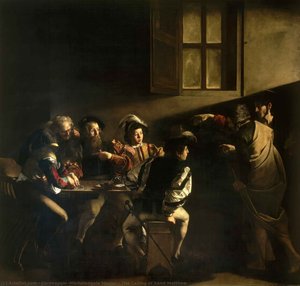
“The Lightning,” painted in 1848 by the French artist Pierre Alexandre Antigna, is more than just a depiction of a family huddled together during an electrical storm; it’s a poignant meditation on vulnerability, familial love, and the raw power of nature. Antigna, a key figure in Parisian Realism, masterfully captures a fleeting moment of intense emotion within a dimly lit interior, drawing the viewer into a scene brimming with both immediate danger and profound tenderness. The painting immediately evokes a sense of urgency – the dark background, punctuated by the suggestion of rain-streaked windows, speaks to an external threat, while the central focus on the family’s embrace offers a powerful counterpoint.
At the heart of the composition stands a man, identified as Pierre Alexandre Antigna himself, holding two infants close to his chest. His posture is one of unwavering protection, his gaze directed towards the children with an expression that blends concern and determination. Beside him, a young boy appears to be gazing out at the storm, perhaps contemplating its force or yearning for safety. The arrangement isn’t merely observational; Antigna deliberately places these figures within a confined space, emphasizing their dependence on one another and highlighting the vulnerability inherent in their situation. The limited palette – primarily dark browns, grays, and blues – reinforces this sense of confinement and impending darkness, while subtle highlights suggest the flickering light of an oil lamp, offering a fragile beacon of hope.
Antigna’s style firmly aligns with the tenets of Parisian Realism, a movement that sought to depict life as it truly was – often unflatteringly – without resorting to romanticized ideals. He employs a meticulous attention to detail, evident in the textures of the clothing, the wrinkles on the man's face, and the delicate features of the infants. The brushwork is deliberately loose and expressive, particularly in rendering the shadows and suggesting the movement of the storm outside. Notably, Antigna’s use of light is crucial; it doesn’t illuminate the scene entirely but rather creates pockets of brightness that draw attention to key elements – the faces of the family members – while leaving much of the background shrouded in mystery. This technique enhances the dramatic effect and underscores the precariousness of their circumstances.
“The Lightning” was painted during a period of significant social upheaval in Paris, following the 1848 Revolution. The city was grappling with poverty, overcrowding, and political instability. Antigna’s choice to depict a family struggling against the elements resonated deeply with contemporary audiences, reflecting anxieties about urban life and the vulnerability of ordinary people. The storm itself can be interpreted as a metaphor for the turbulent times – a force beyond their control that threatens to overwhelm them. The act of holding the infants represents not just physical protection but also the preservation of hope and future generations amidst chaos. Drawing on research, it’s noted that Antigna lived in the impoverished Île Saint-Louis district, giving him firsthand experience with the hardships faced by many Parisians.
Despite its somber subject matter, “The Lightning” possesses a remarkable emotional resonance. The painting’s power lies in its ability to evoke empathy for the family depicted – their vulnerability, their love, and their unwavering commitment to one another. It's a testament to the enduring strength of the human spirit in the face of adversity. Reproductions of this powerful work continue to captivate viewers today, offering a poignant reminder of our shared humanity and the importance of connection amidst uncertainty. The painting’s legacy resides not only in its artistic merit but also in its ability to spark reflection on social issues and the enduring value of family bonds.


1817 - 1878 , France


Бъдете информирани за последните новини в света на изкуството, ексклузивни оферти и идеи за декорация.
Разкажете ни за вашия проект и нашите експерти по изкуство ще ви предложат 3 персонализирани предложения за произведения на изкуството.
Нека подберем 3 варианта само за вас – безплатно!


 Представи си го
 Изпрати
 Сподели
 Детайли

 Изтегляне
 Подобни
 Рентгенова снимка
 Слайдшоу
 Прочетете повече