


x

Giclée печат или принт върху платно с музейно качество, бързо производство и гъвкави опции за завършен вид. ( Купете ръчно рисувана картина Купете изображение)





























Изберете от предварително зададените размери, които съответстват на оригиналните пропорции на произведението.

Можете да въведете собствени размери, за да паснат на конкретна рамка или пространство. Ако избраният от Вас размер не съвпада с пропорциите на оригиналното изображение, ние ще изрежем произведението или ще разширим изображението с огледален или едноцветен ръб. Дигитален макет ще бъде изпратен за Ваше одобрение преди започването на производството.
Моля, имайте предвид, че предпрегледът на екрана не отразява реалното изрязване или разширяване. Само макетът ще покаже точно финалната композиция.
Въпреки че са налични персонализирани размери, препоръчваме да изберете размер от предварително дефинирания списък, за да запазите оригиналните пропорции.
Доставка по целия свят () в рамките на 2 седмици вместо стандартните 4/5 седмици. (21 Август)


Quadro I
Размер на репродукцията
Pieter Cornelis Mondriaan’s artistic odyssey began in Amersfoort, Netherlands, amidst the familiar landscapes of his youth – a stark contrast to the radical transformations that would define his legacy. Initially drawn to landscape painting influenced by the Hague School and Dutch Impressionism, notably *The Red Mill*, young Piet diligently honed his craft, mastering technique while simultaneously grappling with an unspoken desire for something more profound than mere visual imitation.
Early explorations encompassed Pointillism and Fauvism, each offering a distinct perspective on color and form. However, Mondrian swiftly recognized that these styles lacked the capacity to capture the core of his artistic aspirations – a yearning for simplification that transcended stylistic conventions. He wasn’t merely replicating nature; he sought to distill its fundamental principles into geometric abstraction.
This pivotal shift towards geometric abstraction marked a decisive break from traditional representation. Mondrian abandoned naturalistic depictions altogether, opting instead for a visual language comprised exclusively of straight lines and squares – a deliberate rejection of organic forms and a commitment to pure abstraction.
The resulting canvases—characterized by their monochrome palette and rigorously structured compositions—became emblems of modern art’s quest for universality. Mondrian believed that these geometric elements could express the underlying harmony of the cosmos, mirroring the mathematical order he perceived as inherent in nature itself. This conviction fueled his unwavering dedication to his artistic vision throughout his prolific career.
Despite his rejection of naturalism, Mondrian’s artistic development was undeniably shaped by Cubism, particularly Picasso's pioneering experiments with fractured perspectives. The influence of Cézanne’s emphasis on underlying geometric forms can also be discerned in Mondrian’s approach to depicting space.
However, Mondrian steadfastly maintained his commitment to pure abstraction, refining his technique and expanding his palette—introducing subtle variations in color—to heighten the expressive potential of his compositions. He meticulously considered every element within each painting, striving for a balance between visual clarity and emotional resonance.
Beyond its formal rigor, Mondrian’s art carries profound symbolic significance. The black lines represent stability and horizontality—reflecting the grounding forces of earth—while the white squares symbolize purity and verticality—representing the aspiration towards heaven. Together, these elements convey a sense of spiritual contemplation and affirm Mondrian's belief in the transformative power of geometric abstraction.
Today, Mondrian’s paintings continue to inspire artists and designers alike, captivating viewers with their timeless elegance and conveying an enduring message of harmony and balance. Reproductions of his iconic canvases offer a window into the intellectual and aesthetic convictions that underpinned one of modern art's most influential figures—a testament to the enduring beauty and profound contemplation inherent in pure geometric abstraction.

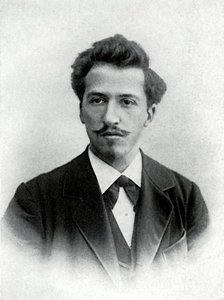
1872 - 1944 , Нидерландия

Explore the profound impact of Minimalism and Geometric Abstraction. From Mondrian to Malevich, discover how stripping art to its essential forms revolutionized modern aesthetics through our expert-led historical guide.

Discover the profound intersection of geometry and emotion in Cubist Expressionism. Explore art history through our expert analysis of modern masters and find museum-quality, hand-painted oil reproductions of iconic masterpieces for your collection.

Master the complexities of Geometric Abstraction. Our expert guide explores the evolution from Cubist deconstruction to Bauhaus precision, decoding the power of shape and form. Perfect for art students seeking deep historical context and academic insight into modern masterpieces.

Explore the revolutionary world of Cubism. Discover how masters Pablo Picasso and Georges Braque dismantled reality through geometric abstraction to redefine modern art history.


Бъдете информирани за последните новини в света на изкуството, ексклузивни оферти и идеи за декорация.
Разкажете ни за вашия проект и нашите експерти по изкуство ще ви предложат 3 персонализирани предложения за произведения на изкуството.
Нека подберем 3 варианта само за вас – безплатно!


 Представи си го
 Изпрати
 Сподели
 Детайли

 Изтегляне
 Подобни
 Рентгенова снимка
 Слайдшоу
 Прочетете повече







 Стъклото е налично само в размери под 110 см


