Продавайте вашата изкуство
Списък с желания Пазарска количка Cart
x
Представи си гоПредстави си го AR прегледAR преглед Купете принт Купете принтКупете изображение Купете изображение ИзпратиИзпрати
ДетайлиДетайли Добавяне към любими Добавяне към любими ИзтеглянеИзтегляне ПодобниПодобни Рентгенова снимкаРентгенова снимка СлайдшоуСлайдшоу

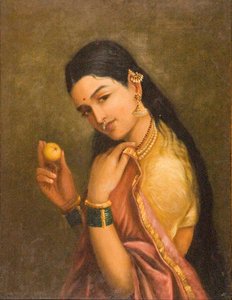
Hesitation

Raja Ravi Varma’s ‘Hesitation’: A stunning oil painting showcasing classical Indian art & emotion. Explore rich colors, intricate detail & a poignant narrative of love. #IndianArt #RaviVarma

Рая Рави Варма (1848-1906) е основоположник на съвременния индийски изкуство, обединил традиционни и западни техники. Създава иконични картини с индуистката митология, достъпни чрез литографии.

Ръчно изработена маслена репродукция

Ръчно рисувана маслена картина върху платно във вашия размер и рамка, изработена по поръчка от нашите художници. (Купете принт Купете принтКупете изображение Купете изображение)

P118B $10
P118H $10
P118W $10
P438Z $10
P508JH $12
P508YH $12
P805H $10
P805Z $10
P919BZ $10
P919G $10
P919XJ $10
P959ZH $10
P968JZ $12
W106C $8
W218G $10
W218JH $8
W218Y $10
W307PJ $10
W316G $10
W316PJ $8
W316Y $10
W398PJ $8
W4111J $10
W500HY $15
W500JH $15
W692G $12
W849H $8
W940BG $15
W953PJ $8

Standard
custom
CM
INCH

Изберете от предварително зададените размери, които съответстват на оригиналните пропорции на произведението.

ширина
височина

Можете да въведете свои собствени размери, за да пасне на конкретна рамка или пространство. Ако избраният от вас размер не съответства на пропорциите на оригиналното изображение, ние ще изрежем произведението или ще удължим картината с допълнителни ръчно рисувани елементи. Дигитален макет ще бъде изпратен за ваше одобрение преди започване на производството.
Моля, обърнете внимание, че прегледът на екрана не отразява действителното изрязване или разширяване. Само макетът ще покаже точно финалния състав.
Въпреки че са налични персонализирани размери, препоръчваме да изберете размер от предварително дефинирания списък, за да запазите оригиналните пропорции.

Примери за това какво може да се промени: Заменете лице с клиентска снимка; Добавете домашен любимец (например заменете котка с куче); Включете скрито послание на фона; Променете пейзажа или елементите на фона.
След поръчка, екипът на Most-Famous-Paintings.com ще изпрати имейл на клиента за инструкции и ще предостави преглед на макет.

Доставка по целия свят () в рамките на 3/4 седмици вместо стандартните 5 седмици. (18 Август). Без компромис с качеството.

why_choose_icon
Безплатна експресна доставка по целия свят
why_choose_icon
Висококачествено ленено платно
why_choose_icon
Пълно застраховане при доставка
why_choose_icon
Гаранция за възстановяване на митнически такси
why_choose_icon
Гаранция за цветова точност
why_choose_icon
60-Дневен период за връщане (Само при дефекти)
why_choose_icon
100% Гаранция за връщане на парите
why_choose_icon
Предложение за отстъпка при поръчка на едро

Обща цена

$ 297

reproduction

Hesitation

Репродукционен метод

Размер на репродукцията

-

Обща цена

$ 297

Бързи факти

  • Medium: Oil on canvas
  • Year: 1880
  • Movement: Mughal/Rajput
  • Influences:
    • Mughal
    • Rajput
  • Subject or theme: Love, Reflection
  • Title: Hesitation

Описание на произведението

A Moment of Quiet Contemplation: "Hesitation" by Raja Ravi Varma

Raja Ravi Varma’s “Hesitation,” painted circa 1880, is more than just a depiction of a man and woman; it's a profound meditation on emotion, memory, and the delicate dance between longing and acceptance. Executed in a style deeply rooted in the traditions of Mughal and Rajput miniature painting, yet infused with Ravi Varma’s innovative spirit, this large-scale oil on canvas invites viewers into an intimate tableau that speaks across centuries.

  • The Narrative Landscape: The composition immediately draws the eye to the central figures – a woman holding a flower and a man seated against a monumental pillar. This arrangement evokes a sense of timelessness, reminiscent of classical storytelling traditions where narrative unfolds through gesture and posture.
  • Classical Influences: Ravi Varma’s mastery is evident in his meticulous rendering of form and detail, echoing the grandeur of Mughal court paintings while simultaneously embracing the emotional depth characteristic of Rajput art. The ornate pillar, a dominant feature, serves not merely as a backdrop but as a symbol of strength, permanence, and perhaps even the weight of unspoken thoughts.

A Symphony of Color and Texture

The painting’s palette is dominated by rich, warm tones – deep reds, golds, and browns – punctuated by flashes of turquoise and cream that add vibrancy and visual interest. Ravi Varma's technique employed a masterful use of glazing, layering thin washes of color to achieve luminous effects and an unparalleled depth of tone. The smooth surfaces in areas like the figures’ skin contrast with the pronounced textures within the pillar’s intricate design, creating a tactile quality that invites close inspection.

  • Brushwork and Detail: Noticeable is the artist's deliberate brushwork, meticulously applied to define every fold of drapery, the curve of a facial feature, and the delicate petals of the flower. This level of detail wasn’t simply about realism; it was about imbuing the scene with a sense of palpable presence.
  • Lighting as Emotion: The dramatic lighting, originating from a single source, casts strong shadows that heighten the emotional intensity of the scene. It directs attention to the woman's face and hands – symbols of vulnerability and perhaps, a hesitant offering of affection.

Symbolism and Historical Context

"Hesitation" was created during a period of significant artistic and cultural exchange in India. Raja Ravi Varma, born into privilege within the Travancore royal family, skillfully navigated the intersection of European academic techniques with deeply ingrained Indian traditions. His work reflects this synthesis, blending classical ideals of beauty with a profound understanding of Indian mythology and courtly life. The flower itself is laden with symbolic meaning – often interpreted as representing beauty, affection, or even a fleeting memory, adding another layer to the painting’s contemplative mood.

  • Miniature Painting Traditions: Like all miniature paintings of the era, “Hesitation” employs a flattened perspective and layered tonal variations to create depth rather than relying on linear recession. This technique is characteristic of the miniature tradition, prioritizing narrative clarity and emotional impact over strict realism.
  • Raja Ravi Varma’s Legacy: This artwork stands as a testament to Raja Ravi Varma's pivotal role in shaping modern Indian painting, bridging the gap between artistic innovation and cultural heritage.

A Timeless Masterpiece – Recreated for Today

Most-Famous-Paintings offers meticulously crafted hand-painted reproductions of “Hesitation,” allowing you to experience the full beauty and emotional depth of this remarkable artwork in your own space. Each reproduction is created using archival materials, ensuring its longevity and preserving the original’s rich colors and intricate details. Bring home a piece of art history – a timeless meditation on love, loss, and the quiet moments that define our lives.


Биография на художника

The Princely Brush: Raja Ravi Varma and the Dawn of Modern Indian Painting

Raja Ravi Varma, a name that echoes through the halls of Indian art history, was more than just a painter; he was a cultural architect who skillfully blended European academic techniques with the vibrant soul of Hindu mythology. Born in 1848 within the opulent confines of Kilimanoor Palace, nestled amidst the lush landscapes of Kerala, his life unfolded as a remarkable synthesis of aristocratic privilege and an unyielding creative spirit. He wasn’t merely capturing images; he was breathing life into ancient narratives, forging a new visual language for India that would resonate deeply with its people. His family's deep roots within the Travancore royal house – two of his daughters later becoming integral members of the royal family – provided him with an unparalleled understanding of Indian courtly traditions and values, profoundly shaping his artistic vision. From a young age, Ravi Varma displayed an extraordinary aptitude for art, nurtured by his uncle, Raja Raja Varma, who introduced him to the world of drawing and painting, primarily within the established framework of the Tanjore School. However, this was merely the foundation upon which he would build something truly revolutionary – a fusion of East and West that redefined Indian artistic expression.

A Fusion of Worlds: Technique and Inspiration

Ravi Varma’s artistic journey took an extraordinary turn during his travels and interactions with British officials stationed in India. He became utterly captivated by the realism, precision, and technical mastery evident in European academic painting. He diligently studied its principles – perspective, anatomy, light, and shadow – not simply to imitate, but to understand how these elements could be harnessed to convey emotion and narrative depth within his own work. Crucially, unlike many of his contemporaries who merely adopted Western styles superficially, Varma ingeniously adapted these techniques to serve distinctly Indian subjects. His canvases transformed into vibrant stages for scenes from the Ramayana, the Mahabharata, and the Puranas, populated by gods and goddesses rendered with a newfound naturalism that was both startlingly lifelike and deeply evocative. He didn’t merely illustrate religious stories; he imbued them with human emotion, psychological complexity, and an almost palpable sense of drama. Consider his portrayal of *Hansa Damayanthi*, where the heroine's longing gaze and delicate posture convey a depth of feeling previously unseen in Indian art – a testament to Varma’s ability to transcend mere representation and capture the very essence of human experience. His mastery of oil painting, a relatively new medium in India at the time, allowed him to achieve an unprecedented level of detail, luminosity, and emotional intensity. The rich colors, subtle gradations of light, and meticulously rendered textures created a visual feast that captivated audiences and established him as a pioneer of modern Indian painting.

Democratizing Art: Lithographs and Public Appeal

Recognizing that his exquisite paintings were largely confined to the elite circles of royalty and art connoisseurs, Raja Ravi Varma embarked on a bold initiative – establishing the Raja Ravi Varma Fine Arts Lithographic Press in 1894. This groundbreaking venture was nothing short of revolutionary. By utilizing lithography, a printing technique that allowed for the mass production of affordable images, he democratized access to his art like never before. Suddenly, scenes from Hindu mythology and religious narratives were no longer restricted to temples or palaces; they adorned homes across India, becoming objects of worship, cultural pride, and shared identity. The lithographs weren’t simply reproductions; they were carefully crafted interpretations that captured the essence of Varma's originals – a testament to his artistic vision and meticulous attention to detail. This act of “democratizing art” had a profound impact on Indian society, fostering a wider appreciation for visual culture and shaping popular perceptions of religious iconography. The lithographs became symbols of national identity, uniting people across social and economic divides through their shared connection to these iconic images.

Royal Patronage and Artistic Development

Ravi Varma’s artistic development was significantly shaped by the patronage he received from various royal courts throughout India. He began his career as a court painter in Travancore, where he honed his skills under the guidance of Rama Swamy Naidu, a seasoned palace painter. Later, he served in the royal courts of Mewar, Baroda, and Mysore, each experience enriching his artistic repertoire and exposing him to diverse cultural influences. This constant interaction with royalty provided him with access to resources, materials, and opportunities for experimentation that would have otherwise been unavailable. The support of these royal patrons allowed him to travel extensively, study different artistic traditions, and develop a uniquely hybrid style – one that seamlessly blended European academic techniques with the rich tapestry of Indian mythology and aesthetics. His ability to navigate these diverse environments and adapt his art to suit different cultural contexts is a testament to his versatility and artistic genius.

Legacy and Enduring Influence

Raja Ravi Varma passed away in 1906, leaving behind a legacy that continues to inspire and influence artists today. He wasn’t merely a painter; he was a visionary who fundamentally altered the course of Indian art history. His work not only transformed the landscape of Indian painting but also laid the foundation for modern Indian art by challenging conventional norms, embracing innovation, and skillfully blending tradition with modernity. His paintings remain powerful testaments to his genius – masterpieces that capture the beauty, spirituality, and cultural richness of India. He is rightly regarded as one of the most important figures in Indian art history, a pioneer who dared to forge a new path and inspire generations of artists to come. His influence can be seen in the works of subsequent generations of Indian artists who sought to create a distinctly national artistic identity, reflecting both their heritage and their aspirations for the future.
  • Explore artworks: Discover masterpieces like "Portrait of a Gentleman," "Hansa Damayanthi," and "The Maharani of Travancore" through online databases.
  • Visit museums: Immerse yourself in Varma’s legacy at The Raja Ravi Varma Heritage Foundation, The Ganesh Shivaswamy Foundation, and the Kiran Nadar Museum of Art.
  • Further research: Consult Wikipedia and Google Arts & Culture for detailed biographical information and scholarly insights.
Раджа Рави Варма

Раджа Рави Варма

1848 - 1906 , Индия

Бързи факти

  • Artistic Movement Or Style: Академичен и индийски фюжън
  • Artists Or Movements Influenced By This Artist: ['Съвременна индийска изкуство']
  • Artists Who Influenced This Artist: ['Европейски майстори']
  • Date Of Birth: 29 април 1848
  • Date Of Death: 2 октомври 1906
  • Full Name: Raja Ravi Varma
  • Nationality: Индиец
  • Notable Artworks:
    • Ханса Дамаянти
    • Махарани на Траванкоре
    • Шакунтала
  • Place Of Birth: Киламанавро, Индия
Разгледайте произведения на изкуството, организирани по теми, стилове и характеристики.