x

Закупете дигитално изображение с висока резолюция и подобрени характеристики, значително по-добро от онлайн прегледа.
Всеки файл е щателно подготвен от нашите специалисти с помощта на съвременни инструменти и експертна ръчна ретуш. Гарантираме, че всяко изображение има изключителна яснота, прецизна цветова точност и фини детайли.
Окончателният файл се доставя по имейл в рамките на 72 часа, оптимизиран за незабавна употреба в професионални, редакционни и печатни среди. Това е същото качество, на което се доверяват водещи дизайнерски студия, издатели и галерии.
Изтеглете файл с висока резолюция за лично показване, принтиране и творчески проекти. ( Купете принт Купете ръчно рисувана картина)
Когато изберете Most-Famous-Paintings.com, вие не получавате само изображение – вие получавате професионално подобрена дигитална творба, създадена с прецизност и подкрепена от гаранция за удовлетворение. Ето всичко, което автоматично се включва в вашата поръчка:

Вашето дигитално изображение с висока резолюция ще ви бъде изпратено по имейл в рамките на 72 часа от поръчката - готово за незабавно използване.

Вашата картина е професионално оптимизирана с помощта на усъвършенствани инструменти за изкуствен интелект и ръчна редакция, осигурявайки максимална детайлност, яснота и точност на цветовете.

Изгубили сте или сте премахнали файла си по погрешка? Не се притежнявайте – ще го изпратим отново на Вас по всяко време, безплатно.

Всредите си веднага без мита, данъци или такси по доставка - дигителните приложения винаги са без данъчно освободени.

Гарантираме, че вашето дигитално изображение отразява оригиналните цветове възможно най-точно, използвайки професионални инструменти и управление на цветовете.

Ако не сте доволни от вашето дигилно изображение, ще го коригираме или ще възмедим 100% в рамките на 60 дни – без никакви въпроси.

Не сте удовлетворени? Получавате пълно възстановяване на сумата в рамките на 60 дни след получаването на вашия цифров файл – без никакви въпроси.

Купете 3 изображения, спестете 10% - Купете 5, спестете 15% - Купете 10+, спестете 20%. Отлично за творчески проекти, галерии и агенства.

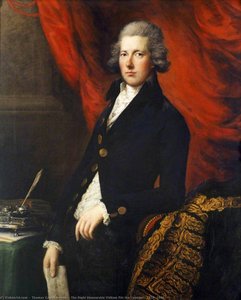
The name Thomas Pitt, though perhaps less instantly recognizable than some of his contemporaries, represents a pivotal figure in the artistic landscape of 17th-century England – a sculptor who skillfully navigated the confluence of burgeoning Renaissance ideals and the pragmatic demands of colonial administration. Born in Blandford Forum, Dorset, in 1653, Pitt’s life was inextricably linked to both the artistic traditions of his native region and the ambitious expansion of the English East India Company. He wasn't merely a craftsman; he was an administrator, a diplomat, and ultimately, a key player in shaping the cultural identity of burgeoning settlements in India – a legacy powerfully expressed through his enduring sculptures.
Pitt’s early life provided him with a grounding in both artistic skill and administrative acumen. His father, John Pitt, was Rector of Blandford St Mary, a position that exposed young Thomas to the rich artistic heritage of Dorset, particularly the impressive mural monuments within the local church – works that undoubtedly influenced his developing aesthetic sensibilities. However, it was the family’s involvement in trade, specifically with the East India Company, that dramatically altered the course of his life. In 1674, Pitt embarked on a daring venture to the Indian subcontinent, defying company regulations and engaging in independent trading – an act that ultimately led to fines but also established him as a shrewd businessman and a figure of considerable wealth. This experience proved transformative, exposing him to diverse cultures, religious practices, and artistic styles far removed from the familiar landscapes of England.
Pitt’s arrival in Madras (now Chennai) in 1698 marked the beginning of his distinguished career as President of Fort St. George. This role wasn't simply one of administrative oversight; it was an opportunity to actively shape the visual environment of the colony, and Pitt seized it with characteristic determination. He commissioned a series of sculptures that served both practical and symbolic purposes – portraits of key figures in the East India Company’s administration, religious iconography reflecting the diverse faiths present in Madras, and monumental works intended to project an image of strength and authority. His work during this period is characterized by a blend of Baroque dynamism and a nascent Rococo sensibility, evident in his meticulous detailing and dramatic use of light and shadow.
The sculptures produced under Pitt’s direction are particularly significant for their role in establishing a visual language for the English presence in India. Unlike earlier representations that often depicted Indians as exoticized figures, Pitt's portraits frequently presented them with dignity and respect – a reflection of his own experiences and observations. His religious sculptures, while adhering to Western artistic conventions, incorporated elements of local iconography, demonstrating an attempt to bridge cultural divides. The Epergne (1761), a stunning silver centerpiece now housed in Most-Famous-Paintings’s collection, exemplifies this approach—a lavish display of Rococo design that subtly references Indian motifs through its intricate detailing and opulent materials.
Pitt's career extended far beyond the confines of Madras. Upon his return to England, he entered the political arena, demonstrating a remarkable ability to navigate the complexities of Parliament. His descendants would go on to forge a significant political dynasty, with his grandson and great-grandson both ascending to the highest offices in the land – a testament to the family’s influence and connections. This lineage further cemented Pitt's legacy as more than just an artist; he was a pivotal figure in shaping British history.
The patronage of art played a crucial role in maintaining this political standing. Pitt himself was a discerning collector, and his descendants continued to support artistic endeavors, commissioning works from leading sculptors and artists throughout the 18th century. The connections between art and politics were deeply intertwined, with portraits serving as powerful symbols of status and authority – a tradition that can be traced directly back to Thomas Pitt I.
Thomas Pitt’s contribution to English sculpture is often overshadowed by the more celebrated figures of his time. However, his work represents a fascinating intersection of artistic skill, administrative responsibility, and colonial ambition. His sculptures offer a unique window into the cultural dynamics of 17th-century England and India – a testament to his ability to bridge worlds through art. The meticulous detail, dramatic compositions, and subtle integration of local influences in his works continue to fascinate scholars and collectors alike, ensuring that Thomas Pitt I’s legacy endures as a significant chapter in the history of British art.

1653 - 1726 , United Kingdom


Бъдете информирани за последните новини в света на изкуството, ексклузивни оферти и идеи за декорация.
Разкажете ни за вашия проект и нашите експерти по изкуство ще ви предложат 3 персонализирани предложения за произведения на изкуството.
Нека подберем 3 варианта само за вас – безплатно!


 Представи си го
 Изпрати
 Сподели
 Детайли

 Изтегляне
 Подобни
 Рентгенова снимка
 Слайдшоу


 Прочетете повече