Продавайте вашата изкуство
Списък с желания Пазарска количка Cart
x
Представи си гоПредстави си го AR прегледAR преглед Купете ръчно рисувана картина Купете ръчно рисувана картинаКупете изображение Купете изображение ИзпратиИзпрати
ДетайлиДетайли Добавяне към любими Добавяне към любими ИзтеглянеИзтегляне ПодобниПодобни Рентгенова снимкаРентгенова снимка СлайдшоуСлайдшоу

Digger

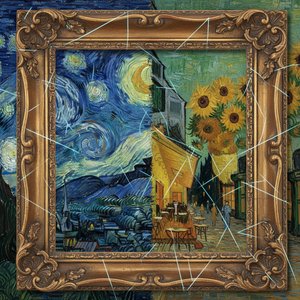
Винсент Ван Гог (1853-1890): Немски художник, символ на емоционално изкуство и революционен подход към живописта. Известен с "Звездна нощ" и "Слънчогледи". Разкрийте неговия свят!

Жикле / Художествен принт

Giclée печат или принт върху платно с музейно качество, бързо производство и гъвкави опции за завършен вид. (Купете ръчно рисувана картина Купете ръчно рисувана картинаКупете изображение Купете изображение)

P118B $10
P118H $10
P118W $10
P438Z $10
P508JH $12
P508YH $12
P805H $10
P805Z $10
P919BZ $10
P919G $10
P919XJ $10
P959ZH $10
P968JZ $12
W106C $8
W218G $10
W218JH $8
W218Y $10
W307PJ $10
W316G $10
W316PJ $8
W316Y $10
W398PJ $8
W4111J $10
W500HY $15
W500JH $15
W692G $12
W849H $8
W940BG $15
W953PJ $8

Standard
custom
CM
INCH

Изберете от предварително зададените размери, които съответстват на оригиналните пропорции на произведението.

ширина
височина

Можете да въведете собствени размери, за да паснат на конкретна рамка или пространство. Ако избраният от Вас размер не съвпада с пропорциите на оригиналното изображение, ние ще изрежем произведението или ще разширим изображението с огледален или едноцветен ръб. Дигитален макет ще бъде изпратен за Ваше одобрение преди започването на производството.
Моля, имайте предвид, че предпрегледът на екрана не отразява реалното изрязване или разширяване. Само макетът ще покаже точно финалната композиция.
Въпреки че са налични персонализирани размери, препоръчваме да изберете размер от предварително дефинирания списък, за да запазите оригиналните пропорции.

Доставка по целия свят () в рамките на 2 седмици вместо стандартните 4/5 седмици. (15 Август)

why_choose_icon
Безплатна експресна доставка по целия свят
why_choose_icon
Висококачествено ленено платно
why_choose_icon
Пълно застраховане при доставка
why_choose_icon
Гаранция за възстановяване на митнически такси
why_choose_icon
Гаранция за цветова точност
why_choose_icon
60-Дневен период за връщане (Само при дефекти)
why_choose_icon
100% Гаранция за връщане на парите
why_choose_icon
Предложение за отстъпка при поръчка на едро

Обща цена

$ 68

reproduction

Digger

Жикле / Художествен принт

Размер на репродукцията

-

Обща цена

$ 68

Бързи факти

  • Title: Digger
  • Influences:
    • Dutch Masters
    • Ukiyo-e
  • Location: Van Gogh Museum, Amsterdam
  • Year: 1882
  • Medium: Pencil on paper
  • Artist: Vincent van Gogh

Тест за изкуство

Има само един верен отговор за всеки въпрос.

Въпрос 1:
What is the primary subject depicted in Vincent van Gogh’s ‘Digger’?
Въпрос 2:
The pencil in the man’s hand in ‘Digger’ most likely suggests:
Въпрос 3:
In what style is ‘Digger’ primarily characterized?
Въпрос 4:
Which museum houses a significant collection of Van Gogh's works, including ‘Digger’?
Въпрос 5:
What historical context does ‘Digger’ belong to?

Описание на колекционерския предмет

A Quiet Reflection on Labor: Examining Vincent van Gogh’s “Digger”

Vincent Willem van Gogh, a name synonymous with artistic passion and turbulent genius, remains one of the most recognizable and beloved figures in Western art history. Born on March 30, 1853, in Groot-Zundert, Netherlands, his journey was not one of immediate acclaim but rather a slow burn of dedication, struggle, and ultimately, profound influence. The eldest of six children born to a Protestant minister, Theodorus van Gogh, Vincent’s early life was steeped in religious contemplation, a sensibility that would subtly permeate much of his later work. Though he displayed an inclination towards drawing from a young age, his path wasn't immediately clear; he explored various vocations – art dealer, teacher, and missionary – before fully embracing the artist’s life. These experiences, though seemingly disparate, proved formative, instilling in him a deep empathy for the working class and a profound sense of spiritual seeking that would shape his artistic vision.

The Essence of Realism: A Detailed Observation

“Digger,” created in 1882, stands as an arresting example of Vincent van Gogh’s commitment to realism—a stylistic choice considered unconventional during his era but now celebrated for its meticulous detail and honest portrayal of the human condition. Unlike Impressionists who prioritized capturing fleeting moments of light and color, Van Gogh sought to depict subjects with unwavering accuracy, focusing on textures, forms, and spatial relationships as they appeared before him. The pencil drawing meticulously renders a solitary man bent over with his hands resting on his knees—a posture conveying both physical exertion and quiet contemplation. Dressed in formal attire – a suit and tie – he embodies the dignity of labor, suggesting perhaps a craftsman or professional engaged in his craft.

Technical Mastery: Capturing Light and Shadow

The artist’s technique is remarkable for its precision. Every crease in the fabric, every subtle nuance of shading contributes to an immersive experience for the viewer. The pencil strokes are deliberate and controlled, conveying a sense of immediacy while simultaneously demonstrating Van Gogh's mastery of observational drawing. Notably, the inclusion of a pencil itself—held by the figure—adds dynamism to the composition, hinting at ongoing activity or perhaps focused thought. This attention to detail underscores Van Gogh’s belief that truth resides in careful observation and faithful representation.

Contextual Significance: Dresden’s New Masters Gallery

“Digger” finds its home within the impressive collection of Dresden’s New Masters Gallery alongside works by contemporaries like Otto Dix and Claude Monet—a testament to the burgeoning modernist movement of the late 19th century. This gallery serves as a crucial point of reference for understanding Van Gogh's artistic trajectory, showcasing his engagement with broader stylistic trends while maintaining his distinctive voice. Examining “Digger” alongside these other artists illuminates the shared desire to explore new visual languages and confront societal realities.

Symbolism Beyond Surface Appearance

Beyond its technical brilliance, "Digger" carries symbolic weight. The man’s posture speaks volumes about resilience and perseverance—a reflection of Van Gogh's own struggles as an artist battling mental illness. Simultaneously, the depiction of labor underscores the importance of honest toil and connection to the natural world—themes that resonate deeply within Van Gogh’s oeuvre. This quiet scene invites contemplation on themes of dignity, vulnerability, and the beauty found in everyday life.

Биография на художника

A Life Painted in Emotion: The World of Vincent van Gogh

Vincent Willem van Gogh, a name synonymous with artistic passion and turbulent genius, remains one of the most recognizable and beloved figures in Western art history. Born on March 30, 1853, in Groot-Zundert, Netherlands, his journey was not one of immediate acclaim but rather a slow burn of dedication, struggle, and ultimately, profound influence. The eldest of six children born to a Protestant minister, Theodorus van Gogh, Vincent’s early life was steeped in religious contemplation, a sensibility that would subtly permeate much of his later work. Though he displayed an inclination towards drawing from a young age, his path wasn't immediately clear; he explored various vocations – art dealer, teacher, and missionary – before fully embracing the artist’s life. These experiences, though seemingly disparate, proved formative, instilling in him a deep empathy for the working class and a profound sense of spiritual seeking that would become hallmarks of his artistic vision. Early influences included the Dutch Masters like Rembrandt van Rijn and Frans Hals, whose masterful use of light and shadow resonated with young Vincent, as well as contemporary French painters Jean-François Millet and Camille Corot, who depicted scenes of rural life with a poignant realism.

From Darkness to Light: Artistic Development and Style

Van Gogh’s serious engagement with painting began around 1880, largely self-taught, driven by an inner compulsion to express the world as he perceived it. His initial works reflected his compassion for the marginalized, focusing on the lives of peasants and laborers – exemplified in pieces like The Potato Eaters. These early paintings are characterized by dark, earthy tones and a raw, almost brutal honesty that sought to capture the hardship and dignity of rural existence. The figures in *The Potato Eaters* aren’t idealized; they're depicted with a stark realism, emphasizing their toil and weariness – a deliberate choice reflecting Van Gogh’s desire to honor the dignity of these working-class individuals. A pivotal moment arrived with his move to Paris in 1886, where he was exposed to the vibrant world of Impressionism and Post-Impressionism. This encounter proved transformative, injecting brighter colors into his palette and encouraging experimentation with new techniques. He absorbed the lessons of artists like Monet, Renoir, and Pissarro, but never fully adopted their style; instead, he forged a path uniquely his own. His brushstrokes became looser, more expressive, and he began to explore the possibilities of color in ways that were radically different from traditional academic painting. He wasn’t simply copying what he saw; he was attempting to capture *how* he felt about what he saw – the emotional resonance of a scene, the intensity of light, the weight of human experience.

Periods of Intensity: Key Works and Artistic Phases

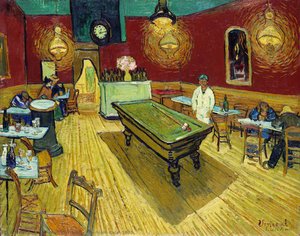
Van Gogh's artistic journey can be broadly divided into distinct periods, each marked by unique characteristics and significant works. The Dutch Period (1880-1886), as mentioned, was defined by somber tones and depictions of peasant life – scenes of rural labor, simple interiors, and portraits of ordinary people. These paintings were often characterized by a limited palette and a restrained style, reflecting Van Gogh’s initial attempts to master the technical aspects of painting. The subsequent Parisian Period (1886-1888) saw a dramatic shift towards brighter colors and experimentation with Impressionist techniques. He was particularly influenced by the work of Toulouse-Lautrec and Edgar Degas, whose depictions of urban life sparked his interest in capturing the energy and dynamism of modern cityscapes. However, it was during the Arles Period (1888-1889), in the south of France, that Van Gogh reached a peak of creative intensity. Surrounded by the radiant light and vibrant landscapes of Provence, he produced some of his most iconic works: Sunflowers, a series celebrating the beauty and vitality of nature; *The Night Café*, a claustrophobic depiction of a dimly lit Parisian café, conveying a sense of isolation and despair; and *Starry Night Over the Rhône*, capturing the shimmering reflections of city lights on the water. These paintings are not merely depictions of scenes; they are emotional landscapes, pulsating with life and imbued with a sense of longing. His use of color became increasingly bold and expressive, employing complementary colors to create dramatic contrasts and heighten the intensity of his compositions. His distinctive brushwork – short, thick strokes applied in swirling patterns – added a dynamic quality to his paintings, conveying movement and energy.

A Legacy Forged in Suffering: Achievements and Historical Significance

Despite facing rejection and struggling with mental illness throughout his life, Van Gogh created over 2,100 artworks in just over a decade—approximately 860 oil paintings. This astonishing output is testament to his unwavering dedication and relentless creative drive. Remarkably, during his lifetime, only one painting – The Red Vineyard – was sold. Recognition came posthumously, slowly at first, then with increasing momentum in the early 20th century. His work profoundly influenced the development of modern art, particularly Expressionism and Fauvism, inspiring artists to prioritize emotional expression over realistic representation. His bold use of color, distorted forms, and expressive brushwork paved the way for new artistic possibilities. Today, Van Gogh’s paintings are among the most recognizable and valuable artworks in the world, commanding record prices at auction and drawing millions of visitors to museums worldwide. But his legacy extends far beyond monetary value; he remains a cultural icon, representing the archetype of the “tortured artist” – though this narrative often overshadows his skill, dedication, and artistic vision. The Van Gogh Museum in Amsterdam stands as a testament to his enduring influence, showcasing his work and celebrating his life for generations to come. His art continues to resonate with audiences because it speaks to universal human experiences—love, loss, hope, despair—with an honesty and vulnerability that transcends time and culture.
  • Major Influences: Dutch Masters (Rembrandt, Hals), Millet, Corot.
  • Key Periods: Dutch, Parisian, Arles, Saint-Rémy/Auvers-sur-Oise.
  • Notable Works: The Potato Eaters, Sunflowers, Starry Night, The Night Café.
vincent willem van gogh

vincent willem van gogh

1853 - 1890 , Нидерландия

Бързи факти

  • Artistic Movement Or Style: Пост-импресионизъм
  • Artists Or Movements Influenced By This Artist:
    • Експресионизъм
    • Фовизъм
  • Artists Who Influenced This Artist:
    • Рембранд
    • Жан-Франсуа Милет
  • Date Of Birth: 30 март 1853
  • Date Of Death: 29 юли 1890
  • Full Name: Vincent Willem van Gogh
  • Nationality: Нидерландски
  • Notable Artworks:
    • Селско стопанство
    • Слънчогледи
    • Звездна нощ
  • Place Of Birth: Зюндерт, Нидерландия
Разгледайте произведения на изкуството, организирани по теми, стилове и характеристики.