x

 Oil On CanvasWallArtAbstract Art
 1930Modern
 70.0 x 60.0 cm
Ръчно рисувана маслена картина върху платно във вашия размер и рамка, изработена по поръчка от нашите художници. ( Купете принт Купете изображение)





























Изберете от предварително зададените размери, които съответстват на оригиналните пропорции на произведението.

Можете да въведете свои собствени размери, за да пасне на конкретна рамка или пространство. Ако избраният от вас размер не съответства на пропорциите на оригиналното изображение, ние ще изрежем произведението или ще удължим картината с допълнителни ръчно рисувани елементи. Дигитален макет ще бъде изпратен за ваше одобрение преди започване на производството.
Моля, обърнете внимание, че прегледът на екрана не отразява действителното изрязване или разширяване. Само макетът ще покаже точно финалния състав.
Въпреки че са налични персонализирани размери, препоръчваме да изберете размер от предварително дефинирания списък, за да запазите оригиналните пропорции.
Доставка по целия свят () в рамките на 3/4 седмици вместо стандартните 5 седмици. (17 Август). Без компромис с качеството.


Three Rectangles
Размер на репродукцията
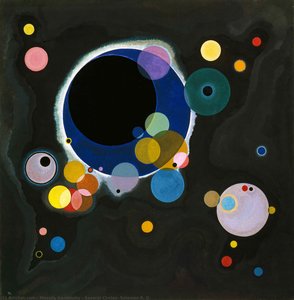
Wassily Kandinsky’s “Three Rectangles,” painted in 1930, isn't merely a depiction of geometric forms; it’s an invitation to a deeply personal and profoundly moving experience. This seminal work from the heart of his abstract period embodies the core tenets of Kandinsky’s revolutionary approach to art – that color and shape could directly communicate emotion and meaning, bypassing the need for representational imagery. The painting, measuring 70 x 60 cm, is a testament to his belief in the power of pure abstraction, a philosophy he meticulously developed over decades of experimentation.
Kandinsky’s palette for “Three Rectangles” is both restrained and intensely vibrant. He masterfully employs a carefully considered selection of hues – the assertive reds, the cool blues, the sunny yellows, the delicate pinks, and the warm oranges – each chosen not just for its visual appeal but for its capacity to evoke specific emotional responses. The rectangles themselves aren’t static; they seem to pulse with an internal energy, their placement within the composition creating a dynamic interplay of space and movement. Notice how the red rectangle, often associated with passion and vitality, dominates the center, drawing the eye while simultaneously suggesting a grounding force. The blue and yellow rectangles, positioned on either side, offer counterpoints – a sense of serenity alongside energetic dynamism.
Kandinsky’s approach to composition in “Three Rectangles” is radically different from traditional Western painting. He deliberately eschewed the illusionistic techniques of perspective and realism, instead focusing on the inherent qualities of color and shape themselves. The rectangles aren't placed within a defined space; rather, they exist as independent entities, interacting with each other through their colors and relationships. This creates an almost three-dimensional effect, inviting the viewer to step into the painting and experience it from multiple perspectives. The subtle variations in size and orientation of the rectangles contribute to this sense of depth and complexity, suggesting a carefully orchestrated balance between order and chaos.
While Kandinsky famously declared that he sought to paint “the purely spiritual,” the symbolism within "Three Rectangles" remains open to interpretation. Some scholars suggest the rectangles represent musical notes, reflecting Kandinsky’s lifelong fascination with music and his belief in its inherent connection to art. Others see them as symbols of human emotions – red for passion, blue for contemplation, yellow for joy. Regardless of a definitive reading, the painting undeniably taps into universal emotional experiences, resonating with viewers on a deeply intuitive level. It's crucial to remember that Kandinsky wasn’t aiming to depict a concrete scene; he was striving to translate inner states and feelings onto canvas.
The painting is presented within a frame, an element that subtly enhances its impact. The frame isn't merely decorative; it serves as a visual boundary, framing the composition and drawing attention to the interplay of colors and shapes. Kandinsky’s work profoundly influenced subsequent generations of artists, paving the way for abstract expressionism and other non-representational movements. “Three Rectangles” stands as a cornerstone of this legacy, demonstrating his pioneering spirit and his unwavering commitment to exploring the expressive potential of pure abstraction. Today, reproductions of this iconic piece continue to captivate audiences worldwide, offering a glimpse into the visionary mind of one of art history’s most influential figures. For those seeking to bring Kandinsky's evocative vision into their own spaces, Most-Famous-Paintings offers high-quality reproductions that faithfully capture the essence of this remarkable painting.


1866 - 1944 , Русия

Explore the profound impact of Minimalism and Geometric Abstraction. From Mondrian to Malevich, discover how stripping art to its essential forms revolutionized modern aesthetics through our expert-led historical guide.


Бъдете информирани за последните новини в света на изкуството, ексклузивни оферти и идеи за декорация.
Разкажете ни за вашия проект и нашите експерти по изкуство ще ви предложат 3 персонализирани предложения за произведения на изкуството.
Нека подберем 3 варианта само за вас – безплатно!


 Представи си го
 Изпрати
 Сподели
 Детайли

 Изтегляне
 Подобни
 Рентгенова снимка
 Слайдшоу
 Прочетете повече







 Стъклото е налично само в размери под 110 см




![Stroyuschiysya Dom [house Under Construction] — Казимир Малевич, Suprematism](/media/artworks/images/thumbnails/b4/ce/b4ce5fe6293f433c86e0a4cb029aa5bd.jpg)