x

Ručně malovaná olejná barva na plátně ve vašem zvoleném rozměru i s rámem, vyrobená našimi umělci na zakázku. ( Koupit tisk Koupit obrázek)





























Vyberte si z našich přednastavených velikostí, které odpovídají původním proporcím díla.

Můžete zadat vlastní rozměry pro konkrétní rám nebo prostor. Pokud se vámi vybraná velikost neshoduje s proporcemi původního obrazu, dílo buď ořízneme, nebo jej doplníme ručně malovanými prvky. Před zahájením výroby vám bude zaslán digitální náhled ke schválení.
Upozorňujeme, že náhled na obrazovce neodpovídá skutečnému ořezu ani rozšíření. Pouze digitální náhled přesně zobrazí finální kompozici.
Ačkoliv je možné zvolit vlastní velikost, pro zachování původních proporcí doporučujeme vybrat rozměr z předdefinovaného seznamu.
Celosvětová doprava () za 3–4 týdny namísto standardních 5 týdnů. (19 srpen). Bez kompromisů v kvalitě.


The sleeping girl
Rozměry reprodukce
Egon Schiele's "The Sleeping Girl," painted in 1913, isn’t merely a depiction of repose; it’s a profoundly unsettling meditation on mortality, vulnerability, and the precariousness of existence – hallmarks of the artist’s Expressionist style. The painting immediately draws the viewer into a scene of startling intimacy: a young woman, draped in a simple yet elegant yellow dress, rests her head upon her hand, seemingly lost in a dream or perhaps a deeper contemplation. Her posture is remarkably relaxed, almost languid, yet there's an underlying tension, a sense of contained sorrow that permeates the entire composition. The stark white background serves to isolate the figure, amplifying her solitude and intensifying the emotional weight of the scene.
Schiele’s technique is characterized by his distinctive, raw lines – bold, almost frantic strokes that convey both physical presence and psychological turmoil. He eschews smooth surfaces or idealized forms, opting instead for a deliberately unfinished quality, as if capturing a fleeting moment before it vanishes entirely. Notice the way he renders the fabric of her dress; it’s not meticulously detailed but rather suggested through loose, expressive brushstrokes, contributing to the painting's overall sense of immediacy and vulnerability. The use of color is equally deliberate – the vibrant yellow of her gown stands in stark contrast to the cool neutrality of the background, further emphasizing her presence and drawing attention to her delicate features.
To fully appreciate “The Sleeping Girl,” it’s crucial to understand the context within which Schiele was working. The early 1910s were a period of immense upheaval in Europe, marked by the looming threat of World War I and a pervasive sense of anxiety and uncertainty. Schiele's personal life mirrored this atmosphere; his father succumbed to syphilis when Egon was just fourteen, a devastating loss that profoundly shaped his artistic vision. The painting can be interpreted as a reflection of this trauma – a yearning for solace and peace amidst the chaos of existence. The image resonates with themes frequently explored by Schiele: illness, death, and the struggle to find beauty in the face of suffering.
Vienna at the time was a city grappling with social change and artistic innovation, yet also burdened by a dark undercurrent of repression and psychological distress. Schiele’s work often served as an exploration of these conflicting forces, delving into the darker recesses of the human psyche. The painting's melancholic mood is further reinforced by the subtle details – the downward gaze, the slight downturn of her lips, and the overall sense of quietude—all hinting at a hidden sadness.
Beyond its immediate visual impact, “The Sleeping Girl” is rich in symbolic meaning. The sleeping posture itself represents a state of suspension, a detachment from reality – perhaps a desire to escape the anxieties of the world. The high heels, a detail often overlooked, add an element of elegance and sophistication, suggesting a yearning for beauty and refinement amidst the prevailing gloom. However, they also subtly hint at the constraints imposed upon women in that era, adding another layer of complexity to the image.
Some art historians have linked the painting to Schiele’s fascination with death and decay, themes frequently explored in his oeuvre. The girl's pale complexion and relaxed posture evoke a sense of mortality, as if she is already on the verge of passing away. Yet, there’s also an undeniable beauty in her stillness—a quiet dignity that transcends the painting’s darker undertones. Ultimately, “The Sleeping Girl” remains an enigmatic work, inviting viewers to contemplate its multiple layers of meaning and to connect with the artist's profound exploration of human emotion.

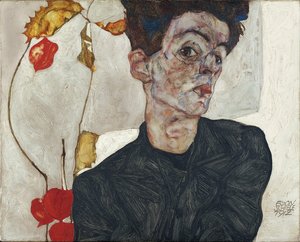
1890 - 1918 , Rakousko

Explore the profound history of Surrealist Expressionism. Discover how artists blended dream logic with raw emotion to navigate post-war trauma through masterful, evocative imagery and psychological depth.

Explore the profound history of Expressionism. From Edvard Munch to Jackson Pollock, discover how artists used distortion and color to convey raw emotion. A definitive guide for art lovers seeking deep historical context and mastery in fine art reproductions.
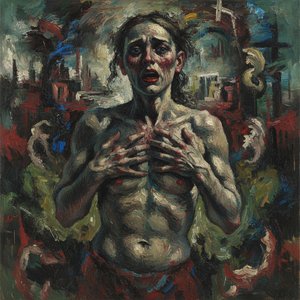
Explore the profound depth of Figurative Expressionism. From Edvard Munch to William H. Johnson, learn how masters use the human form to capture raw emotion through color and distortion in this expert art history guide.


Buďte na tahu s nejnovějšími novinkami ze světa umění, exkluzivními nabídkami a inspirativními nápady na dekoraci.
Sdělte nám více o svém projektu a naši odborníci na umění vám připraví 3 personalizované návrhy uměleckých děl.
Nechť pro vás vybereme 3 možnosti – zdarma!


 Náhled
 Sdílet
 Sdílet
 Podrobnosti o díle

 Stáhnout
 Podobné položky
 Rentgenové snímky
 Slideshow

 Zobrazit více







 Skleněná varianta je dostupná pouze u rozměrů menších než 110 cm