x

Ručně malovaná olejná barva na plátně ve vašem zvoleném rozměru i s rámem, vyrobená našimi umělci na zakázku. ( Koupit tisk Koupit obrázek)





























Vyberte si z našich přednastavených velikostí, které odpovídají původním proporcím díla.

Můžete zadat vlastní rozměry pro konkrétní rám nebo prostor. Pokud se vámi vybraná velikost neshoduje s proporcemi původního obrazu, dílo buď ořízneme, nebo jej doplníme ručně malovanými prvky. Před zahájením výroby vám bude zaslán digitální náhled ke schválení.
Upozorňujeme, že náhled na obrazovce neodpovídá skutečnému ořezu ani rozšíření. Pouze digitální náhled přesně zobrazí finální kompozici.
Ačkoliv je možné zvolit vlastní velikost, pro zachování původních proporcí doporučujeme vybrat rozměr z předdefinovaného seznamu.
Celosvětová doprava () za 3–4 týdny namísto standardních 5 týdnů. (16 srpen). Bez kompromisů v kvalitě.


Self-Portrait with Outstretched Arms1911
Rozměry reprodukce
Egon Schiele's "Self-Portrait with Outstretched Arms" (1911) isn’t merely a depiction of a man; it’s an intensely personal and psychologically charged exploration of vulnerability, longing, and the very act of reaching for something just beyond grasp. Painted during a period of profound artistic and emotional upheaval in his life, this work stands as a cornerstone of Expressionism, capturing the raw energy and unsettling beauty that defined Schiele's unique vision. The painting immediately commands attention with its dramatic composition – the figure dominates the canvas, positioned seemingly adrift within a stark white void. This deliberate isolation amplifies the sense of yearning radiating from the subject’s outstretched arms, inviting the viewer to step into his world of intense feeling.
Schiele's masterful use of line is paramount here. The limbs are elongated and sinuous, almost skeletal in their fragility, conveying a sense of both physical vulnerability and an urgent desire for connection. Notice how the lines converge towards the outstretched hands – they aren’t simply extended; they vibrate with a palpable energy, suggesting a desperate plea or perhaps even a silent scream. The brown jacket, rendered with quick, decisive brushstrokes, provides a grounding element amidst the swirling emotionality of the piece, while the mustache, a recurring motif in Schiele's self-portraits, subtly hints at an awareness of his own image and its presentation to the world.
To understand “Self-Portrait with Outstretched Arms,” it’s crucial to situate it within the context of Egon Schiele's tumultuous life. Born in 1890 in Tulln an der Donau, Austria, his early years were marked by illness, loss – notably the death of his father from syphilis at just fourteen – and a pervasive sense of instability. These experiences profoundly shaped his artistic output, fueling a preoccupation with themes of mortality, sexuality, and psychological distress. Schiele’s relationship with his uncle, Leopold Czihaczek, further contributed to this atmosphere of unease; the guardianship imposed upon him fostered a spirit of independence but also a feeling of being perpetually on the periphery.
The painting was created during a period when Schiele was grappling with personal and professional challenges. He had recently moved to Vienna and was navigating the complex world of the Viennese art scene, encountering both admiration and criticism. The influence of Gustav Klimt, a prominent figure in the Secession movement, is evident in Schiele’s early work, but he quickly forged his own distinctive path – one characterized by a brutal honesty and an unflinching exploration of the darker aspects of human experience. The painting reflects this shift; it's less about polished beauty and more about raw emotion.
Beyond its formal elements, “Self-Portrait with Outstretched Arms” is rich in symbolic meaning. The white background serves not as a neutral space but rather as an abyss – a void that mirrors the subject’s internal state of isolation and perhaps even despair. The outstretched arms themselves are laden with significance; they represent a reaching out, a desire for connection, but also a potential for rejection or disappointment. Some art historians interpret them as symbolizing a yearning for spiritual transcendence, while others see them as an expression of loneliness and the inherent human need for intimacy.
The figure’s posture – almost collapsing inward – suggests a vulnerability that is both heartbreaking and compelling. The intensity of his gaze (though not directly visible in this reproduction) is palpable; it speaks to a profound awareness of himself, his mortality, and perhaps even the futility of his efforts to connect with others. Schiele's use of color—primarily browns and muted tones—further enhances the painting’s somber mood, reinforcing its themes of loss and introspection.
“Self-Portrait with Outstretched Arms” remains one of Egon Schiele’s most iconic works, a testament to his extraordinary talent and his willingness to confront difficult truths. It's a painting that lingers in the mind long after it has been viewed, prompting reflection on themes of human vulnerability, isolation, and the enduring search for meaning. Reproductions of this powerful image offer a remarkable opportunity to experience Schiele’s intensely personal vision – a window into the soul of an artist grappling with life's most profound questions. Consider commissioning a hand-painted reproduction from Most-Famous-Paintings.com to bring this emotionally resonant masterpiece into your home or office, allowing its evocative power to inspire and captivate for years to come.

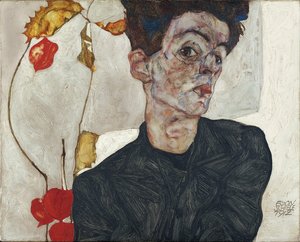
1890 - 1918 , Rakousko
Explore the profound depth of Figurative Expressionism. From Edvard Munch to William H. Johnson, learn how masters use the human form to capture raw emotion through color and distortion in this expert art history guide.

Explore the profound history of Surrealist Expressionism. Discover how artists blended dream logic with raw emotion to navigate post-war trauma through masterful, evocative imagery and psychological depth.

Explore the profound emotional depth of Expressionist portraiture. From Edvard Munch to Francis Bacon, discover how masters used distortion and color to reveal inner truths. Learn about this pivotal movement and find museum-quality oil reproductions for your collection.

Explore the profound history of Expressionism. From Edvard Munch to Jackson Pollock, discover how artists used distortion and color to convey raw emotion. A definitive guide for art lovers seeking deep historical context and mastery in fine art reproductions.


Buďte na tahu s nejnovějšími novinkami ze světa umění, exkluzivními nabídkami a inspirativními nápady na dekoraci.
Sdělte nám více o svém projektu a naši odborníci na umění vám připraví 3 personalizované návrhy uměleckých děl.
Nechť pro vás vybereme 3 možnosti – zdarma!


 Náhled
 Sdílet
 Sdílet
 Podrobnosti o díle

 Stáhnout
 Podobné položky
 Rentgenové snímky
 Slideshow
 Zobrazit více







 Skleněná varianta je dostupná pouze u rozměrů menších než 110 cm