x

Ručně malovaná olejná barva na plátně ve vašem zvoleném rozměru i s rámem, vyrobená našimi umělci na zakázku. ( Přepnout na tisk Přepnout na obrázek)





























Vyberte si z našich přednastavených velikostí, které odpovídají původním proporcím díla.

Můžete zadat vlastní rozměry pro konkrétní rám nebo prostor. Pokud se vámi vybraná velikost neshoduje s proporcemi původního obrazu, dílo buď ořízneme, nebo jej doplníme ručně malovanými prvky. Před zahájením výroby vám bude zaslán digitální náhled ke schválení.
Upozorňujeme, že náhled na obrazovce neodpovídá skutečnému ořezu ani rozšíření. Pouze digitální náhled přesně zobrazí finální kompozici.
Ačkoliv je možné zvolit vlastní velikost, pro zachování původních proporcí doporučujeme vybrat rozměr z předdefinovaného seznamu.
Celosvětová doprava () za 3–4 týdny namísto standardních 5 týdnů. (7 srpen). Bez kompromisů v kvalitě.


Three Girls
Rozměry reprodukce
Egon Schiele's "Three Girls," painted in 1911, is not merely a depiction of three young women; it’s a profoundly unsettling exploration of intimacy, vulnerability, and the precariousness of existence – hallmarks of the artist’s intensely personal and emotionally charged style. The painting immediately confronts the viewer with its raw honesty, eschewing idealized beauty for a stark realism that borders on the disturbing. Schiele, working in Vienna during a period of immense social and artistic upheaval, was deeply influenced by the burgeoning Expressionist movement, which sought to convey subjective emotions rather than objective reality. This work exemplifies his signature approach: elongated figures, distorted perspectives, and an almost palpable sense of unease permeate every brushstroke.
The composition itself is deliberately unsettling. The women are clustered closely together, their limbs intertwined in a way that suggests both connection and potential conflict. Their gazes, averted or directed inward, hint at unspoken anxieties and hidden desires. Schiele’s masterful use of line – particularly the sharp, angular contours defining their bodies – creates a sense of dynamism and instability. The figures aren't posed formally; they seem caught in a moment of intense feeling, frozen in a private drama that unfolds entirely within the confines of the room. Notice how he uses shading to create an almost sculptural effect, emphasizing the physicality of each woman while simultaneously hinting at their fragility.
To fully appreciate “Three Girls,” it’s crucial to understand Schiele's personal life during this period. He was grappling with profound grief – his father had succumbed to syphilis just a few years prior, leaving him emotionally scarred and acutely aware of the fragility of human life. The early death of his sister Elvira further deepened this sense of loss and fueled an obsession with mortality that would become a recurring theme in his work. This painting can be interpreted as a meditation on these themes, a visual representation of the anxieties surrounding death, sexuality, and the search for connection in the face of inevitable decay.
The room itself – a sparsely furnished bedroom with a bed in the background – contributes to the overall atmosphere of claustrophobia and unease. It’s not a welcoming space; rather, it feels like a refuge, or perhaps a prison. The muted color palette—dominated by browns, greys, and ochres—reinforces this sense of melancholy and isolation. Schiele's use of light is equally deliberate, casting long shadows that obscure the figures and heighten their vulnerability.
Beyond its immediate emotional impact, “Three Girls” is rich in symbolic meaning. The intertwined limbs can be seen as a representation of both physical intimacy and psychological dependence. The averted gazes suggest a reluctance to confront one another, perhaps reflecting a deeper sense of insecurity or unresolved conflict. Some art historians have linked the painting to Schiele’s fascination with the human body, particularly its capacity for both pleasure and pain. The figures' elongated forms and distorted features are characteristic of Expressionist aesthetics, designed to convey intense emotions rather than realistic appearances.
Furthermore, the presence of the standing figure in the background adds another layer of complexity to the scene. This enigmatic presence could represent a silent observer, a potential threat, or perhaps even a reflection of the women’s own internal struggles. It's a detail that invites speculation and encourages viewers to engage with the painting on a deeper level.
Most-Famous-Paintings offers meticulously crafted hand-painted reproductions of Egon Schiele’s “Three Girls,” capturing the artist’s unique style and emotional intensity. Our skilled artisans use archival-quality materials and techniques to faithfully recreate every nuance of this powerful work, ensuring that it will be a treasured addition to any art collection or interior space. Whether you're an admirer of Expressionism, a collector of Schiele’s oeuvre, or simply seeking a piece of art that evokes profound emotion, our reproduction provides an authentic and captivating representation of this iconic painting. Explore the full artwork details and order your high-quality reproduction today at Most-Famous-Paintings.

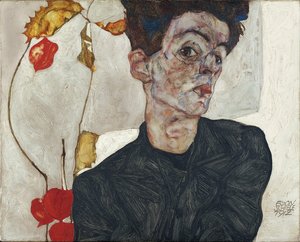
1890 - 1918 , Rakousko
Prozkoumejte top 25 děl Egona Schieleho – mistra expresionismu. Obdivujte portréty, akvarely a kresby plné emocí a psychologické hloubky. Reprodukce obrazů s Most-Famous-Paintings pro váš interiér. Discover all masterpieces on Most-Famous-Paintings.com

Objevte top 10 portrétů v dějinách umění! Od Mona Lisy po Van Gogha – příběhy slavných malířů, techniky a inspirace pro váš interiér. Reprodukce obrazů nejvyšší kvality na Most-Famous-Paintings.cz

Explore the emotionally charged world of Egon Schiele (1890-1918). Discover his Expressionist masterpieces, psychological themes, and lasting impact on modern art. A comprehensive guide for collectors & enthusiasts.
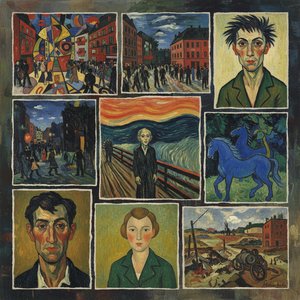
Prozkoumejte 10 ikonických děl expresionismu od Muncha, van Gogha a dalších. Objevte příběhy za obrazy, techniky a barevnost moderního umění. Reprodukce obrazů nejvyšší kvality na Most-Famous-Paintings.cz – inspirace pro váš interiér!

Prozkoumejte top 25 děl Amedea Modiglianiho – portréty, akty a mistrovská malířství. Objevte příběhy za ikonickými obrazy moderního umění a inspirujte se pro váš interiér s Most-Famous-Paintings.com.


Buďte na tahu s nejnovějšími novinkami ze světa umění, exkluzivními nabídkami a inspirativními nápady na dekoraci.
Sdělte nám více o svém projektu a naši odborníci na umění vám připraví 3 personalizované návrhy uměleckých děl.
Nechť pro vás vybereme 3 možnosti – zdarma!


 Náhled
 Sdílet
 Sdílet
 Podrobnosti o díle

 Stáhnout
 Podobné položky
 Rentgenové snímky
 Slideshow

 Zobrazit více







 Skleněná varianta je dostupná pouze u rozměrů menších než 110 cm