


x

Ručně malovaná olejná barva na plátně ve vašem zvoleném rozměru i s rámem, vyrobená našimi umělci na zakázku. ( Koupit tisk Koupit obrázek)





























Vyberte si z našich přednastavených velikostí, které odpovídají původním proporcím díla.

Můžete zadat vlastní rozměry pro konkrétní rám nebo prostor. Pokud se vámi vybraná velikost neshoduje s proporcemi původního obrazu, dílo buď ořízneme, nebo jej doplníme ručně malovanými prvky. Před zahájením výroby vám bude zaslán digitální náhled ke schválení.
Upozorňujeme, že náhled na obrazovce neodpovídá skutečnému ořezu ani rozšíření. Pouze digitální náhled přesně zobrazí finální kompozici.
Ačkoliv je možné zvolit vlastní velikost, pro zachování původních proporcí doporučujeme vybrat rozměr z předdefinovaného seznamu.
Celosvětová doprava () za 3–4 týdny namísto standardních 5 týdnů. (22 srpen). Bez kompromisů v kvalitě.


Spanish Woman with a Tamborine
Rozměry reprodukce
Henri Matisse’s “Spanish Woman with a Tambourine,” painted in 1909, stands as a cornerstone of Fauvist art—a movement that irrevocably altered the course of modern painting. More than just a portrait, it's an explosion of pigment and gesture, embodying Matisse’s unwavering conviction that color should dictate artistic expression rather than merely serve as decorative embellishment.
Fauvism arose as a defiant response to Impressionism’s preoccupation with capturing fleeting moments of light and atmosphere. Artists like Matisse felt that Impressionists had sacrificed artistic truth for aesthetic beauty, prioritizing observation over imagination. They sought to liberate painting from the constraints of realism, believing that color could communicate emotion more powerfully than any depiction of form.
"Spanish Woman with a Tambourine" reflects this ethos perfectly. It’s positioned against a muted backdrop—a deliberate contrast designed to heighten the brilliance and intensity of the woman's figure and dress. This compositional choice underscores Matisse’s intention to prioritize expressive color over accurate depiction, aligning him squarely with the revolutionary spirit of his time.
The central subject—a Spanish woman holding a tambourine—is rendered with remarkable dynamism. Matisse captures her posture—slightly turned towards the viewer—with confident strokes, conveying both grace and vitality. The tambourine itself serves as a visual motif, symbolizing rhythm, celebration, and perhaps even spiritual fervor. Its upward tilt draws the eye upwards, creating a sense of movement and aspiration.
Matisse’s masterful use of color—particularly the fiery red of her dress—immediately grabs attention. This bold hue isn't merely descriptive; it embodies passion and exuberance. The artist skillfully blends shades of crimson and scarlet to create depth and luminosity, demonstrating his profound understanding of how color interacts with light.
"Spanish Woman with a Tambourine" continues to inspire artists and collectors alike. Its audacious palette and expressive brushwork remain remarkably fresh and engaging, proving that Matisse’s vision transcends time. It exemplifies the enduring power of art to communicate emotion and challenge conventions—a testament to his genius as a painter and a pioneer of modernism.
If you're seeking to experience the vibrancy of Fauvist artistry firsthand, Most-Famous-Paintings offers exceptional reproductions crafted with meticulous attention to detail. Discover more about Henri Matisse’s artistic journey and immerse yourself in the captivating beauty of “Spanish Woman with Tambourine” – a masterpiece that embodies the transformative potential of color.


1869 - 1954 , Francie
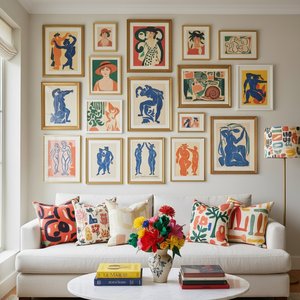
Prozkoumejte 25 ikonických děl Henri Matisse – mistra barev a fauvismu. Objevte příběhy za slavnými obrazy, techniky a inspiraci pro váš interiér. Reprodukce obrazů nejvyšší kvality na Most-Famous-Paintings.com.

Prozkoumejte 10 ikonických děl fauvismu od Matisse, Deraina a dalších. Objevte příběhy za expresionistickými barvami a revolučním uměleckým stylem. Najděte inspiraci pro váš interiér s reprodukcemi nejvyšší kvality na Most-Famous-Paintings.com.
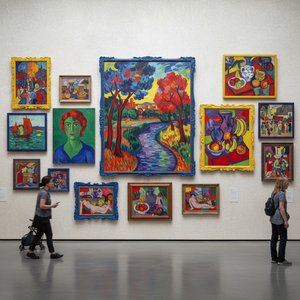
Prozkoumejte 10 ikonických děl fauvismu od Matisse, Deraina a dalších. Objevte příběhy za expresivními barvami a revolučním uměleckým stylem. Reprodukce obrazů nejvyšší kvality na Most-Famous-Paintings.cz – inspirace pro váš interiér!

Explore the revolutionary art of Henri Matisse! Discover his bold use of color, Fauvist origins, and lasting impact on modern painting. A comprehensive guide for art enthusiasts.

Explore the revolutionary Fauvism movement & Henri Matisse's bold use of color! Discover key characteristics, iconic artworks, and its lasting impact on modern art history with Most-Famous-Paintings.


Buďte na tahu s nejnovějšími novinkami ze světa umění, exkluzivními nabídkami a inspirativními nápady na dekoraci.
Sdělte nám více o svém projektu a naši odborníci na umění vám připraví 3 personalizované návrhy uměleckých děl.
Nechť pro vás vybereme 3 možnosti – zdarma!


 Náhled
 Sdílet
 Sdílet
 Podrobnosti o díle

 Stáhnout
 Podobné položky
 Rentgenové snímky
 Slideshow

 Zobrazit více







 Skleněná varianta je dostupná pouze u rozměrů menších než 110 cm


