x

Ručně malovaná olejná barva na plátně ve vašem zvoleném rozměru i s rámem, vyrobená našimi umělci na zakázku. ( Koupit tisk Koupit obrázek)





























Vyberte si z našich přednastavených velikostí, které odpovídají původním proporcím díla.

Můžete zadat vlastní rozměry pro konkrétní rám nebo prostor. Pokud se vámi vybraná velikost neshoduje s proporcemi původního obrazu, dílo buď ořízneme, nebo jej doplníme ručně malovanými prvky. Před zahájením výroby vám bude zaslán digitální náhled ke schválení.
Upozorňujeme, že náhled na obrazovce neodpovídá skutečnému ořezu ani rozšíření. Pouze digitální náhled přesně zobrazí finální kompozici.
Ačkoliv je možné zvolit vlastní velikost, pro zachování původních proporcí doporučujeme vybrat rozměr z předdefinovaného seznamu.
Celosvětová doprava () za 3–4 týdny namísto standardních 5 týdnů. (15 srpen). Bez kompromisů v kvalitě.


Snowy Landscape
Rozměry reprodukce
In the vast canon of Impressionism, where sunlight often dances upon skin and vibrant gardens overflow with color, Pierre-Auguste Renoir’s Snowy Landscape (1875) emerges as a rare and poignant departure. While his contemporaries like Monet frequently sought the ephemeral glow of sunlit haystacks or water lilies, Renoir turned his gaze toward a more hushed, monochromatic world. This masterpiece, currently held in the prestigious Musée de l'Orangerie, captures a moment of profound stillness, inviting the viewer to step into a realm where the biting chill of winter is softened by the artist’s tender touch. It is not merely a depiction of frost and ice, but an exploration of how light breathes life into even the most dormant seasons.
The composition unfolds with a delicate balance of depth and atmosphere. In the foreground, a cluster of bare, skeletal trees anchors the scene, their dark, textured branches rendered through Renoir’s signature broken brushstrokes. These limbs do not merely exist; they interact with the light, catching subtle glints of winter brightness. As the eye wanders toward the midground, a vast expanse of snow-covered earth stretches toward the horizon, punctuated by the distant, ghostly silhouettes of buildings. Through the masterful use of aerial perspective, Renoir allows the colors to recede and soften, creating an illusion of infinite space that pulls the observer into the quietude of the French countryside.
To look closely at this canvas is to witness a revolution in perception. Renoir famously challenged the notion that snow is simply white. Through his experimental Impressionist technique, he demonstrates that a snowscape is actually a mirror, reflecting the entire spectrum of the environment. Within the drifts, one can discern cool blues borrowed from the winter sky and muted, earthy tones absorbed from the surrounding hedges and trees. This refusal to rely on pure white allows the painting to vibrate with a hidden energy; the shadows are not merely dark, but are infused with greenish and rust-colored hues that suggest the presence of life beneath the frozen surface.
This technical brilliance serves a deeper emotional purpose. The painting captures the tension between the harshness of nature and the serenity of the moment. There is a palpable sense of tranquility—a quietude so deep one can almost hear the muffled silence that follows a heavy snowfall. For the collector or the interior designer, this piece offers more than just aesthetic beauty; it provides an emotional anchor. Its muted palette of browns, whites, and soft blues makes it a versatile and sophisticated addition to any curated space, offering a sense of calm and contemplative grace that complements both modern minimalist settings and classic, traditional interiors.
Historically, this work represents Renoir during his formative years as an Impressionist, a period marked by a radical break from the rigid academic standards of the Salon. It reflects the movement's core philosophy: the pursuit of the subjective experience over objective reality. While Renoir himself famously remarked on his personal aversion to the cold—once jokingly referring to snow as "Mother Nature's leprosy"—his ability to find beauty in this frozen landscape speaks to his unparalleled empathy as an artist. He does not paint the cold to make us shiver, but to make us feel the profound peace of a world at rest.
Owning a high-quality reproduction of Snowy Landscape is an opportunity to bring a piece of art history into the home—a fragment of a time when artists first learned to see the world not as a collection of objects, but as a symphony of light and emotion. Whether placed in a sunlit gallery or a cozy study, this painting serves as a perennial reminder of the beauty found in stillness and the enduring magic of the Impressionist vision.

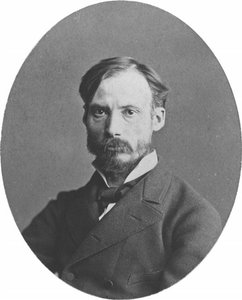
1841 - 1919 , Francie

Objevte top 25 děl Pierre-Auguste Renoira – impresionistické ikony plné světla a radosti. Prozkoumejte příběhy slavných obrazů, techniky malby a inspirujte se pro váš domov s Most-Famous-Paintings.cz! Reprodukce obrazů nejvyšší kvality.

Objevte 10 nejkrásnějších obrazů v odstínech sněhu! Od Moneta po Muncha – prozkoumejte příběhy, techniky a inspiraci těchto ikonických děl. Najděte reprodukci svého oblíbeného umění na Most-Famous-Paintings.com.

Explore the captivating world of Pierre-Auguste Renoir! Discover his life, iconic Impressionist masterpieces & enduring legacy with our expert guide. High-quality reproductions available.

Prozkoumejte 10 ikonických děl impresionismu od Monet, Renoir a dalších. Objevte příběhy za slavnými obrazy, techniky malby a inspiraci pro váš interiér. Reprodukce umění nejvyšší kvality na Most-Famous-Paintings.com.

Prozkoumejte 10 ikonických děl impresionismu od Monet, Renoir a Van Gogha. Objevte příběhy za slavnými obrazy, techniky a inspiraci pro váš interiér. Kvalitní reprodukce na Most-Famous-Paintings.com!


Buďte na tahu s nejnovějšími novinkami ze světa umění, exkluzivními nabídkami a inspirativními nápady na dekoraci.
Sdělte nám více o svém projektu a naši odborníci na umění vám připraví 3 personalizované návrhy uměleckých děl.
Nechť pro vás vybereme 3 možnosti – zdarma!


 Náhled
 Sdílet
 Sdílet
 Podrobnosti o díle

 Stáhnout
 Podobné položky
 Rentgenové snímky
 Slideshow


 Zobrazit více







 Skleněná varianta je dostupná pouze u rozměrů menších než 110 cm