x

Ručně malovaná olejná barva na plátně ve vašem zvoleném rozměru i s rámem, vyrobená našimi umělci na zakázku. ( Koupit tisk Koupit obrázek)





























Vyberte si z našich přednastavených velikostí, které odpovídají původním proporcím díla.

Můžete zadat vlastní rozměry pro konkrétní rám nebo prostor. Pokud se vámi vybraná velikost neshoduje s proporcemi původního obrazu, dílo buď ořízneme, nebo jej doplníme ručně malovanými prvky. Před zahájením výroby vám bude zaslán digitální náhled ke schválení.
Upozorňujeme, že náhled na obrazovce neodpovídá skutečnému ořezu ani rozšíření. Pouze digitální náhled přesně zobrazí finální kompozici.
Ačkoliv je možné zvolit vlastní velikost, pro zachování původních proporcí doporučujeme vybrat rozměr z předdefinovaného seznamu.
Celosvětová doprava () za 3–4 týdny namísto standardních 5 týdnů. (16 srpen). Bez kompromisů v kvalitě.


Legendery Scene
Rozměry reprodukce
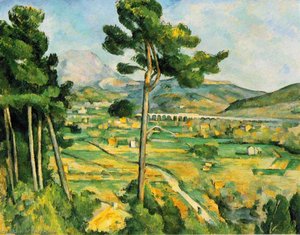
Paul Cézanne's "Legendary Scene," painted in 1878, presents a dynamic tableau depicting a man on horseback surrounded by several women within a wooded setting. The composition is carefully structured, with the rider positioned centrally to draw immediate attention. This central figure commands the scene, while the surrounding women engage in various activities, creating an interplay of movement and stillness. The forest backdrop provides depth and context, grounding the human figures within nature's embrace. Cézanne’s choice of subject—a seemingly narrative moment—is less about storytelling and more about exploring form, color, and spatial relationships.
"Legendary Scene" exemplifies Cézanne's transition from Impressionism towards his unique Post-Impressionist style. While retaining the vibrant colors characteristic of Impressionism, Cézanne moves beyond capturing fleeting moments to analyze the underlying structure of objects and figures. His brushstrokes are visible and deliberate, building up layers of color to create a sense of volume and texture. The use of planes of color is evident, foreshadowing his later explorations that would significantly influence Cubism. He doesn't aim for photographic realism but rather seeks to represent the essence of what he sees, emphasizing geometric forms and spatial relationships over precise detail.
Painted during a period of artistic experimentation in France, "Legendary Scene" reflects Cézanne’s engagement with Romanticism and Realism in his early career. However, the work demonstrates a departure from these earlier influences as he began to develop his own distinct style. The late 19th century was marked by a shift away from traditional academic art towards more subjective and expressive forms of representation. Cézanne's exploration of form and structure aligns with this broader artistic movement, paving the way for the radical innovations of the 20th century. His murals at Jas de Bouffan showcase his early influences, while "Legendary Scene" marks a pivotal step in his evolution towards a more personal and groundbreaking style.
While seemingly depicting a simple scene, “Legendary Scene” invites contemplation on the relationship between humanity and nature. The man on horseback could be interpreted as representing power or dominance, while the surrounding women might symbolize various aspects of life—perhaps femininity, community, or even mythology. Cézanne’s focus is not on conveying a specific narrative but rather on evoking an emotional response through color, form, and composition. The painting's overall mood is one of quiet contemplation and subtle tension, inviting viewers to interpret the scene in their own way. The use of earthy tones and dappled light creates a sense of tranquility while the dynamic arrangement of figures suggests underlying energy.


1839 - 1906 , Francie

Explore the transformative era of Post-Impressionism. Discover how masters like Van Gogh moved beyond light to embrace emotion, structure, and vibrant color, redefining modern art history through expressive brushwork and symbolic depth.


Buďte na tahu s nejnovějšími novinkami ze světa umění, exkluzivními nabídkami a inspirativními nápady na dekoraci.
Sdělte nám více o svém projektu a naši odborníci na umění vám připraví 3 personalizované návrhy uměleckých děl.
Nechť pro vás vybereme 3 možnosti – zdarma!


 Náhled
 Sdílet
 Sdílet
 Podrobnosti o díle

 Stáhnout
 Podobné položky
 Rentgenové snímky
 Slideshow

 Zobrazit více







 Skleněná varianta je dostupná pouze u rozměrů menších než 110 cm