Prodávejte své umění
Seznam přání Nákupní košík Cart
NáhledNáhled Náhled v ARNáhled v AR Koupit tisk Koupit tiskKoupit obrázek Koupit obrázek SdíletSdílet
Podrobnosti o dílePodrobnosti o díle Přidat do oblíbených Přidat do oblíbených StáhnoutStáhnout Podobné položkyPodobné položky Rentgenové snímkyRentgenové snímky SlideshowSlideshow

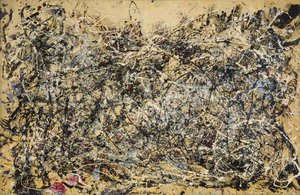
Untitled (Painting Number 22)

Paul Jackson Pollock (1912-1956) byl americký malíř, průkopník abstrakce a „drip“ techniky. Jeho dynamické, expresivní obrazové plochy, jako "Blue Poles", definovaly moderní umění a ovlivnily generace umělců. #Pollock #Abstraktníexpresionismus

Ručně malovaná olejová reprodukce

Ručně malovaná olejná barva na plátně ve vašem zvoleném rozměru i s rámem, vyrobená našimi umělci na zakázku. (Koupit tisk Koupit tiskKoupit obrázek Koupit obrázek)

P118B $10
P118H $10
P118W $10
P438Z $10
P508JH $12
P508YH $12
P805H $10
P805Z $10
P919BZ $10
P919G $10
P919XJ $10
P959ZH $10
P968JZ $12
W106C $8
W218G $10
W218JH $8
W218Y $10
W307PJ $10
W316G $10
W316PJ $8
W316Y $10
W398PJ $8
W4111J $10
W500HY $15
W500JH $15
W692G $12
W849H $8
W940BG $15
W953PJ $8

Standard
custom
CM
INCH

Vyberte si z našich přednastavených velikostí, které odpovídají původním proporcím díla.

šířka
výška

Můžete zadat vlastní rozměry pro konkrétní rám nebo prostor. Pokud se vámi vybraná velikost neshoduje s proporcemi původního obrazu, dílo buď ořízneme, nebo jej doplníme ručně malovanými prvky. Před zahájením výroby vám bude zaslán digitální náhled ke schválení.
Upozorňujeme, že náhled na obrazovce neodpovídá skutečnému ořezu ani rozšíření. Pouze digitální náhled přesně zobrazí finální kompozici.
Ačkoliv je možné zvolit vlastní velikost, pro zachování původních proporcí doporučujeme vybrat rozměr z předdefinovaného seznamu.

Příklady možných změn: Nahrazení obličeje vlastní fotografií; Přidání domácího mazlíčka (např. nahrazení kočky psem); Vložení skrytého vzkazu do pozadí; Změna krajiny nebo prvků v pozadí.
Po přijetí objednávky vám tým Most-Famous-Paintings.com zašle e-mail s pokyny a poskytne náhledovou verzi.

Celosvětová doprava () za 3–4 týdny namísto standardních 5 týdnů. (17 srpen). Bez kompromisů v kvalitě.

why_choose_icon
Zdarma celosvětová expresní doprava
why_choose_icon
Vysoce kvalitní lněné plátno
why_choose_icon
Kompletní přepravní pojištění
why_choose_icon
Záruka vrácení celního poplatku
why_choose_icon
Záruka přesného barevného shodu
why_choose_icon
60denní lhůta pro vrácení zboží (pouze při vadách výroby)
why_choose_icon
100% garance vrácení peněz
why_choose_icon
Sleva při hromadné objednávce

Celková cena

$ 372

reproduction

Untitled (Painting Number 22)

Technika reprodukce

Rozměry reprodukce

-

Celková cena za výběr

$ 372

Základní informace

  • Influences: Thomas Hart Benton
  • Medium: Oil on Canvas
  • Artist: Paul Jackson Pollock
  • Notable elements or techniques: Drip Technique
  • Location: Private Collection
  • Subject or theme: Abstraction

Kvíz o umění

U každé otázky je pouze jedna správná odpověď.

Otázka 1:
What artistic movement is Paul Jackson Pollock associated with?
Otázka 2:
The photograph depicts a painting technique known as:
Otázka 3:
What is the predominant color palette used in the artwork?
Otázka 4:
The artist's technique involves:
Otázka 5:
What stylistic element contributes to the artwork's sense of dynamism?

Popis díla

A Dance of Chaos and Control: Exploring Jackson Pollock’s “Untitled (Painting Number 22)”

The photograph captures a mesmerizing glimpse into the heart of Abstract Expressionism, specifically Paul Jackson Pollock's iconic "Untitled (Painting Number 22)." More than just pigment splashed onto canvas; this artwork embodies a profound exploration of spontaneity and deliberate control—a paradox that defines Pollock’s revolutionary approach to painting. The stark black and white palette underscores the raw materiality of the piece, highlighting the textured surface created by his signature drip technique. It's a visual testament to the artist's belief that art should be an unfiltered outpouring of emotion and intuition.

The Genesis of Action Painting

Pollock’s artistic journey began amidst the burgeoning avant-garde scene of postwar New York City. Influenced by Surrealism and Dada, he rejected traditional representational conventions, opting instead for a method radically different from anything that had preceded it. As Thomas Hart Benton encouraged him to embrace rhythmic composition, Pollock honed his technique—a process he termed “all-over painting.” This involved laying canvases flat on the floor and pouring, dripping, and flinging paint onto them with brushes, sticks, and even syringes – a deliberate act of physical engagement that transformed painting into an almost performative experience. The resulting canvases are not landscapes or portraits; they’re fields of interwoven lines and shapes—a visual embodiment of movement and energy.

Compositional Dynamics: Figures Amidst the Flow

Despite its apparent randomness, “Untitled (Painting Number 22)” possesses a carefully considered compositional balance. At first glance, it appears chaotic – an overwhelming expanse of black and gray marks. However, closer observation reveals discernible figures—a man, a woman, and a dog—fragmented yet interwoven within the swirling patterns. These forms aren’t sharply defined; they emerge from the texture of the paint itself, suggesting a subconscious layering of ideas and emotions. The artist deliberately disrupts conventional perspective, flattening the canvas to emphasize the surface and inviting viewers to immerse themselves in the visual experience. This technique reflects Pollock's desire to bypass rational thought and tap into primal instincts.

Symbolism Beyond Representation

The absence of recognizable imagery lends “Untitled (Painting Number 22)” a powerful symbolic resonance. Critics debated whether it represented an attempt to capture human relationships or simply an expression of existential anxiety—a feeling that permeates the artwork’s unsettling dynamism. The repetition of lines and shapes speaks to themes of interconnectedness and cyclical patterns, mirroring the artist's own preoccupation with exploring the subconscious mind. Furthermore, the deliberate use of black and white reinforces a sense of austerity and seriousness, elevating the piece beyond mere decoration.

A Legacy of Innovation

Jackson Pollock’s influence on subsequent generations of artists is undeniable. He fundamentally altered the course of painting history, establishing drip technique as a cornerstone of Abstract Expressionism and paving the way for movements like Pop Art and Minimalism. “Untitled (Painting Number 22)” stands as a compelling reminder that art can transcend literal depiction—that it can communicate profound emotions and ideas through sheer visual force. Its enduring appeal lies in its ability to provoke contemplation and inspire viewers to consider the complexities of human experience.

Biografie umělce

Early Life and the Seeds of Innovation

Paul Jackson Pollock, born in Cody, Wyoming, in 1912, was a restless spirit from the outset. His early life was marked by frequent relocation as his father, LeRoy Pollock, pursued work as a land surveyor across the vast landscapes of the American West. This itinerant existence instilled in young Pollock a deep connection to the natural world and an exposure to diverse cultures, particularly through encounters with Native American art during those surveying trips – impressions that would subtly permeate his artistic vision later in life. Though he never explicitly imitated Indigenous styles, the raw energy and spiritual resonance of these early experiences undoubtedly left their mark. Pollock’s formal artistic training began at the Manual Arts High School in Los Angeles, followed by studies at the Art Students League of New York under the tutelage of Thomas Hart Benton. Benton, a prominent figure in the Regionalist movement, emphasized rhythmic composition and narrative themes rooted in American life. While Pollock initially absorbed these lessons, his inherent inclination leaned toward more abstract explorations. He was also profoundly impacted by Mexican muralists like José Clemente Orozco, whose powerful depictions of social struggle resonated deeply with him. These early influences laid a foundation, but it was the burgeoning world of Surrealism that truly unlocked Pollock’s artistic potential.

The Birth of Action Painting and a Revolutionary Technique

The 1930s saw Pollock experimenting with various techniques, seeking alternatives to traditional brushwork. He began pouring paint, exploring its fluidity and unpredictable nature. However, it was around 1947 that his artistic trajectory underwent a radical transformation. Abandoning the easel altogether, Pollock laid canvases directly on the floor, initiating what would become known as his “drip technique.” He then proceeded to drip, splash, and fling paint onto the canvas from above, orchestrating a dynamic dance between artist, medium, and surface. This wasn’t merely about applying paint; it was about embodying the act of creation itself. Pollock's canvases became arenas for physical expression, capturing the immediacy of his gestures and emotions. The resulting paintings are characterized by their “all-over” composition – a lack of central focus that invites the viewer to explore the entire surface as a unified field of energy. Intricate networks of lines and colors intertwine, creating a visual complexity that is both captivating and challenging. He employed unconventional tools—sticks, knives, even syringes—to manipulate the paint in unpredictable ways, further emphasizing the spontaneous nature of his process.
  • The technique involved covering the entire canvas with layers of thinned paint.
  • He used sticks, knives, and other implements to drip and fling paint onto the surface.
  • This method allowed him to work from all angles, creating a dynamic and immersive experience.

Influence and Early Style

Pollock’s early artistic development was significantly shaped by several key influences. The stark landscapes of the American West, coupled with his exposure to Native American art during surveying trips, instilled in him a deep appreciation for raw energy and primal forms. He also drew inspiration from European modernists like Pablo Picasso and André Masson, whose explorations of abstraction and subconscious imagery resonated with his own artistic sensibilities. His time at the Art Students League under Thomas Hart Benton exposed him to Regionalist painting, which emphasized narrative themes rooted in American life – a style he initially embraced before ultimately forging his own unique path. Key Influences:
  • Thomas Hart Benton (Regionalism)
  • José Clemente Orozco (Mexican Muralism)
  • Pablo Picasso & André Masson (Surrealism and Abstraction)

The Rise of Action Painting and Recognition

By the mid-1940s, Pollock’s innovative techniques and increasingly bold compositions began to attract attention within the New York art scene. His work was exhibited at galleries like Peggy Guggenheim's Art of This Century, where it initially faced mixed reactions – some critics dismissed his approach as chaotic or lacking skill, while others recognized its groundbreaking potential. However, the momentum continued to build, fueled by the growing interest in Abstract Expressionism, a movement that sought to capture the essence of human experience through non-representational imagery and spontaneous gesture. The term “action painting” emerged to describe Pollock’s method – emphasizing the physical act of creation as central to the artistic process.

Iconic Works and Lasting Legacy

Pollock's most celebrated works—such as Number 1, 1950 (Lavender Mist), One: Number 31, 1950, Blue Poles: Number 11, 1952, and *Convergence*—are testaments to his revolutionary technique. These paintings are not simply images; they are records of a performance, imbued with the artist’s physical presence and emotional intensity. The dynamic energy that emanates from these canvases is palpable, drawing viewers into a world of pure abstraction. Notable Works:
  • Number 1, 1950 (Lavender Mist)
  • One: Number 31, 1950
  • Blue Poles: Number 11, 1952
  • *Convergence*
Pollock’s impact on the history of art is immeasurable. He fundamentally altered the way artists approached painting, breaking free from easel-based methods and embracing a more performative approach. His work helped solidify New York City's position as a global center for modern art, shifting the focus away from European dominance. His influence can be seen in the work of countless artists who followed, including those associated with Color Field painting and later forms of abstract expressionism. Despite initial skepticism, Pollock’s legacy is now firmly established as one of the most important and influential figures in 20th-century art.
Jackson Pollock

Jackson Pollock

1912 - 1956 , Spojené státy americké

Rychlé fakta

  • Artistic Movement Or Style: Abstraktní expresionismus
  • Artists Or Movements Influenced By This Artist: ['Surrealismus']
  • Artists Who Influenced This Artist: ['Thomas Hart Benton']
  • Date Of Birth: 28. ledna 1912
  • Date Of Death: 11. srpna 1956
  • Full Name: Paul Jackson Pollock
  • Nationality: Američan
  • Notable Artworks:
    • Number 1, 1950
    • Blue Poles
    • Convergence
  • Place Of Birth: Cody, Wyoming
Prozkoumejte umělecká díla uspořádaná podle témat, stylů a charakteristik.