


x
 Akryl na plátněObrazová tvorba na stěnuPost-Impressionism
 1883
1883 73.0 x 54.0 cm
Ručně malovaná olejná barva na plátně ve vašem zvoleném rozměru i s rámem, vyrobená našimi umělci na zakázku. ( Přepnout na tisk Přepnout na obrázek)





























Vyberte si z našich přednastavených velikostí, které odpovídají původním proporcím díla.

Můžete zadat vlastní rozměry pro konkrétní rám nebo prostor. Pokud se vámi vybraná velikost neshoduje s proporcemi původního obrazu, dílo buď ořízneme, nebo jej doplníme ručně malovanými prvky. Před zahájením výroby vám bude zaslán digitální náhled ke schválení.
Upozorňujeme, že náhled na obrazovce neodpovídá skutečnému ořezu ani rozšíření. Pouze digitální náhled přesně zobrazí finální kompozici.
Ačkoliv je možné zvolit vlastní velikost, pro zachování původních proporcí doporučujeme vybrat rozměr z předdefinovaného seznamu.
Celosvětová doprava () za 3–4 týdny namísto standardních 5 týdnů. (7 srpen). Bez kompromisů v kvalitě.


Farm v Osny
Rozměry reprodukce
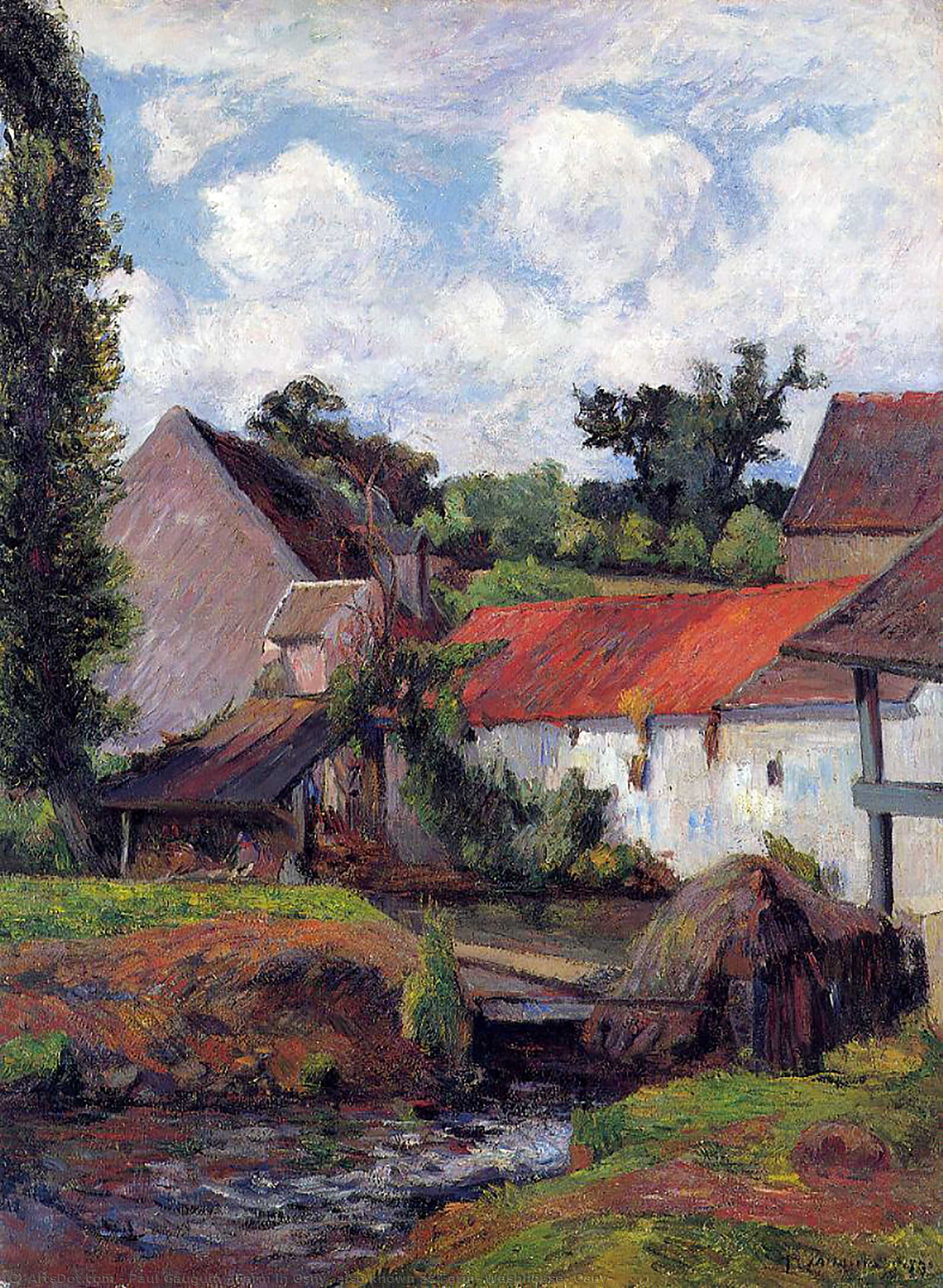
Paul Gauguin's 1883 painting, *Farm in Osny*, transcends mere depiction; it embodies a pivotal moment in the artist’s artistic evolution—a decisive break from Impressionism and an embrace of Post-Impressionist principles. More than just capturing a picturesque French countryside scene, Gauguin delves into profound themes of light, color, and burgeoning symbolism – elements that would become hallmarks of his distinctive oeuvre.
The artwork presents a tranquil panorama centered around a working farm nestled in Osny, France. Dominating the composition is a washhouse alongside several buildings adorned with striking red roofs, harmoniously integrated into lush greenery. Gauguin meticulously balances visual elements; a meandering stream serves as a guiding line towards these structures, drawing the viewer’s gaze deeper into the scene. Trees strategically positioned on either side frame the vista, fostering a sense of intimacy and enclosure—a deliberate choice designed to heighten emotional impact.
*Farm in Osny* exemplifies Gauguin's purposeful departure from Impressionist conventions. While retaining observational accuracy, he abandons fleeting impressions for bold colors and expressive brushstrokes – a technique far removed from the meticulous replication of reality favored by his contemporaries. Paint is applied with considerable physicality, creating a textured surface that engages the senses and contributes to the artwork’s tactile quality. The chromatic palette—bursting greens, reds, and blues—is juxtaposed purposefully to evoke specific moods and amplify visual interest. Gauguin's method reflects Synthetism – prioritizing form and emotion over photographic realism.
Painted in 1883, *Farm in Osny* occupies a crucial juncture in Gauguin’s artistic trajectory. Influenced by Japanese prints (Japonisme) and the exploration of primitive cultures—particularly his experiences in Tahiti—he questioned Impressionism's limitations and sought a more profound expressive language. This painting marks an early manifestation of this transformative vision, signaling Gauguin’s move away from Impressionistic aesthetics toward a bolder, more symbolic style.
Despite its seemingly simple portrayal of rural life, *Farm in Osny* resonates with deeper symbolic significance. The farm itself symbolizes stability and tradition—values deeply rooted in Gauguin’s heritage—while the washhouse embodies communal labor and social interaction. More than just a visual spectacle, this artwork invites contemplation and evokes feelings of serenity and nostalgia. Gauguin's masterful use of color contributes powerfully to its emotional core, cementing *Farm in Osny*'s place as an enduring testament to both artistic innovation and the beauty of the natural world.


1848 - 1903 , Francie

Explore the transformative era of Post-Impressionism. Discover how masters like Van Gogh moved beyond light to embrace emotion, structure, and vibrant color, redefining modern art history through expressive brushwork and symbolic depth.


Buďte na tahu s nejnovějšími novinkami ze světa umění, exkluzivními nabídkami a inspirativními nápady na dekoraci.
Sdělte nám více o svém projektu a naši odborníci na umění vám připraví 3 personalizované návrhy uměleckých děl.
Nechť pro vás vybereme 3 možnosti – zdarma!


 Náhled
 Sdílet
 Sdílet
 Podrobnosti o díle

 Stáhnout
 Podobné položky
 Rentgenové snímky
 Slideshow
 Zobrazit více







 Skleněná varianta je dostupná pouze u rozměrů menších než 110 cm


