x
 Akryl na plátněObrazová tvorba na stěnuImpressionismus
 1876
1876 92.0 x 73.0 cm
Ručně malovaná olejná barva na plátně ve vašem zvoleném rozměru i s rámem, vyrobená našimi umělci na zakázku. ( Přepnout na tisk Přepnout na obrázek)





























Vyberte si z našich přednastavených velikostí, které odpovídají původním proporcím díla.

Můžete zadat vlastní rozměry pro konkrétní rám nebo prostor. Pokud se vámi vybraná velikost neshoduje s proporcemi původního obrazu, dílo buď ořízneme, nebo jej doplníme ručně malovanými prvky. Před zahájením výroby vám bude zaslán digitální náhled ke schválení.
Upozorňujeme, že náhled na obrazovce neodpovídá skutečnému ořezu ani rozšíření. Pouze digitální náhled přesně zobrazí finální kompozici.
Ačkoliv je možné zvolit vlastní velikost, pro zachování původních proporcí doporučujeme vybrat rozměr z předdefinovaného seznamu.
Celosvětová doprava () za 3–4 týdny namísto standardních 5 týdnů. (6 srpen). Bez kompromisů v kvalitě.


Výšvihák, Musée d’ Orsay, Paříž
Rozměry reprodukce
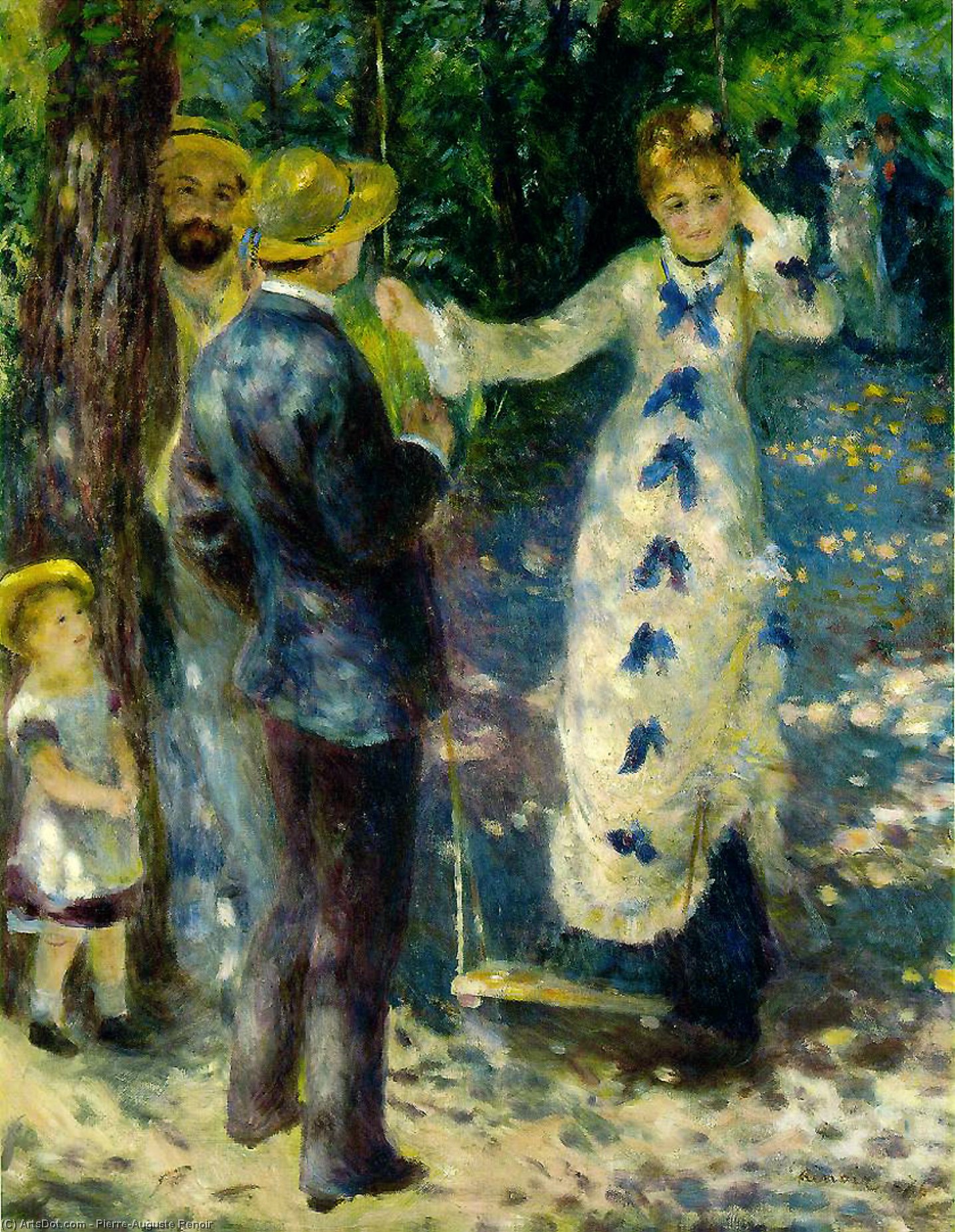
Pierre-Auguste Renoir’s “La Balançoire,” painted in 1876, isn't merely a depiction of leisure; it’s an exquisitely crafted distillation of Impressionism’s core principles. Located prominently within the Musée d'Orsay’s collection—a testament to Parisian artistic ambition—this canvas transcends its subject matter to capture something far more profound: the ephemeral beauty of a summer afternoon.
At first glance, “La Balançoire” presents a seemingly simple tableau. A young woman sits on a swing, accompanied by her companion and a child—a trio bathed in dappled sunlight filtering through the foliage of Montmartre’s gardens. Renoir eschews meticulous detail, prioritizing instead the transmission of atmosphere. Notice how he renders the light – not as hard edges of illumination but as shimmering patches of color that dance across surfaces.
The artist’s masterful brushstrokes—loose, visible, and layered—are characteristic of Impressionism. Renoir abandons academic conventions favoring a technique that prioritizes capturing the fleeting effects of light and color on the eye. Observe the subtle gradations of hue achieved through blending pigments rather than precise mixing. This deliberate disregard for traditional rendering methods underscores Renoir’s commitment to portraying what he perceives—a sensory experience rather than an idealized representation.
"La Balançoire" emerged during a pivotal moment in art history – the rise of Impressionism as a reaction against Romantic idealism. Artists like Monet and Cézanne were experimenting with new approaches to painting, rejecting the polished surfaces and dramatic compositions favored by their predecessors. Renoir’s inclusion of modern elements—such as the casual clothing of the figures and the vibrant colors—reflects this broader cultural shift toward embracing the dynamism of contemporary life.
Beyond its visual splendor, “La Balançoire” carries symbolic weight. The swing itself represents movement, joy, and perhaps even a hint of restlessness – mirroring the spirit of the era. Renoir’s focus on feminine sensuality—evident in Jeanne Samary's pose and attire—was a deliberate provocation against prevailing artistic norms. He sought to celebrate beauty not as an unattainable ideal but as something tangible and present in everyday experience.
Most-Famous-Paintings offers exceptional reproductions of “La Balançoire,” allowing art enthusiasts worldwide to appreciate Renoir’s genius without the constraints of travel. Each print is crafted with meticulous attention to detail, faithfully capturing the painting's luminous colors and textural nuances—a beautiful way to bring a masterpiece into your home.
Discover more about Pierre-Auguste Renoir and his paintings on Most-Famous-Paintings: Discover the Masterpieces of Musée de l'Armée (Paris, France) with Most-Famous-Paintings
Learn more about Pierre-Auguste Renoir on Wikipedia: Pierre-Auguste Renoir

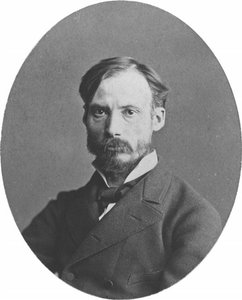
1841 - 1919 , Francie

Objevte top 25 děl Pierre-Auguste Renoira – impresionistické ikony plné světla a radosti. Prozkoumejte příběhy slavných obrazů, techniky malby a inspirujte se pro váš domov s Most-Famous-Paintings.cz! Reprodukce obrazů nejvyšší kvality.

Prozkoumejte 10 ikonických děl impresionismu od Monet, Renoir a dalších. Objevte příběhy za slavnými obrazy, techniky malby a inspiraci pro váš interiér. Reprodukce umění nejvyšší kvality na Most-Famous-Paintings.com.

Explore the captivating world of Pierre-Auguste Renoir! Discover his life, iconic Impressionist masterpieces & enduring legacy with our expert guide. High-quality reproductions available.

Prozkoumejte 10 ikonických děl impresionismu od Monet, Renoir a Van Gogha. Objevte příběhy za slavnými obrazy, techniky a inspiraci pro váš interiér. Kvalitní reprodukce na Most-Famous-Paintings.com!
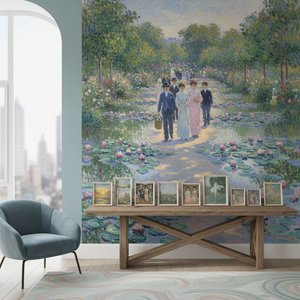
Prozkoumejte 10 ikonických děl impresionismu od Monet, Renoir, Degas a dalších. Objevte příběhy za obrazy plnými světla a barev. Najděte perfektní umělecké reprodukce pro váš interiér na .


Buďte na tahu s nejnovějšími novinkami ze světa umění, exkluzivními nabídkami a inspirativními nápady na dekoraci.
Sdělte nám více o svém projektu a naši odborníci na umění vám připraví 3 personalizované návrhy uměleckých děl.
Nechť pro vás vybereme 3 možnosti – zdarma!


 Náhled
 Sdílet
 Sdílet
 Podrobnosti o díle

 Stáhnout
 Podobné položky
 Rentgenové snímky
 Slideshow
 Zobrazit více







 Skleněná varianta je dostupná pouze u rozměrů menších než 110 cm