x

 Olej na desceNorthern Renaissance
 1562Renesance
 162.0 x 117.0 cm
 Královské muzea krásných umění v Belgii
Ručně malovaná olejná barva na plátně ve vašem zvoleném rozměru i s rámem, vyrobená našimi umělci na zakázku. ( Koupit tisk Koupit obrázek)





























Vyberte si z našich přednastavených velikostí, které odpovídají původním proporcím díla.

Můžete zadat vlastní rozměry pro konkrétní rám nebo prostor. Pokud se vámi vybraná velikost neshoduje s proporcemi původního obrazu, dílo buď ořízneme, nebo jej doplníme ručně malovanými prvky. Před zahájením výroby vám bude zaslán digitální náhled ke schválení.
Upozorňujeme, že náhled na obrazovce neodpovídá skutečnému ořezu ani rozšíření. Pouze digitální náhled přesně zobrazí finální kompozici.
Ačkoliv je možné zvolit vlastní velikost, pro zachování původních proporcí doporučujeme vybrat rozměr z předdefinovaného seznamu.
Celosvětová doprava () za 3–4 týdny namísto standardních 5 týdnů. (19 srpen). Bez kompromisů v kvalitě.


Pieter Brueghel, le vieux (1528-1569)
Rozměry reprodukce
Pieter Bruegel the Elder’s “The Fall of the Rebel Angels” stands as an unparalleled achievement in Flemish art, capturing a pivotal moment from biblical lore with breathtaking detail and profound symbolic depth. Created around 1562 during a period marked by religious fervor and artistic innovation—a time when Northern European painters were forging their own distinctive path away from the dominant Italian Renaissance aesthetic—this monumental oil painting transcends mere depiction; it’s an immersive experience into a realm of turbulent beauty.
The artwork portrays Lucifer and his fallen angels’ defiance against God's divine decree, as recounted in Revelation 12. Bruegel masterfully renders this dramatic confrontation with remarkable realism—a technique honed through meticulous observation and informed by humanist principles circulating throughout Europe. Unlike the idealized figures favored by Italian artists of the era, Bruegel presents grotesque creatures—a bewildering assemblage of human, animal, and mineral forms—that embody the unsettling spirit of his time.
The composition itself is a testament to Bruegel’s artistic genius. Divided into two distinct zones – a luminous upper realm dominated by angelic choirs and a dark abyss inhabited by demonic legions – it immediately establishes a dichotomy between righteousness and rebellion. The artist employs chiaroscuro—the dramatic interplay of light and shadow—to heighten the emotional impact, guiding the viewer's gaze across the canvas and emphasizing key figures amidst the chaos.
Beyond its visual splendor lies a complex tapestry of symbolism. Lucifer’s fall represents not merely physical expulsion from Heaven but embodies the consequences of pride and disobedience – themes that resonate powerfully throughout Bruegel’s oeuvre. The inclusion of seemingly random elements—such as mussels grafted onto shrimp, or human heads adorned with butterfly wings—adds to the painting's dreamlike quality, inviting contemplation on existential questions about good versus evil.
“The Fall of the Rebel Angels” cemented Pieter Bruegel’s reputation as a pioneer in genre painting—a movement that championed everyday life and peasant scenes alongside grand mythological narratives. His unflinching portrayal of human folly and spiritual struggle continues to inspire artists and captivate audiences centuries later, securing its place among the most enduring masterpieces of the Renaissance.
The painting’s influence extends beyond the realm of art history. Andrei Tarkovsky utilized Bruegel's imagery in his film Solaris (1972), capturing the unsettling beauty and psychological depth of the artwork.
Furthermore, Lars von Trier incorporated “The Fall of Rebel Angels” into Melancholia (2011), demonstrating its enduring relevance to contemporary cinematic storytelling.

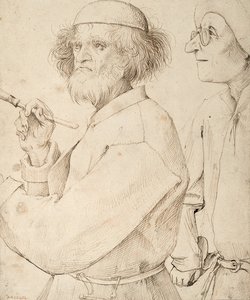
1525 - 1569 , Belgie

Explore the captivating history of angels in painting! Discover symbolism, iconic Renaissance & Byzantine masterpieces, and renowned artists. Expert insights for art lovers & collectors at Most-Famous-Paintings.

Explore the captivating history of angels in art! Discover symbolism, iconic Renaissance masterpieces & renowned artists. Expert insights for art lovers & collectors at Most-Famous-Paintings.

Explore the profound beauty of angelic figures in art history. From Renaissance masterpieces to celestial symbolism, our expert guide offers a sophisticated journey through the divine imagery of the Old Masters for discerning collectors and art enthusiasts.

Explore the life & art of Pieter Bruegel the Elder, a pivotal figure of the Renaissance. Discover his groundbreaking genre scenes, symbolic landscapes, and lasting influence on art history. Learn more at Most-Famous-Paintings.

Explore the dramatic brilliance of the Flemish Baroque movement. Discover how masters like Peter Paul Rubens utilized chiaroscuro and dynamic composition to redefine art history through light, shadow, and unparalleled emotion.


Buďte na tahu s nejnovějšími novinkami ze světa umění, exkluzivními nabídkami a inspirativními nápady na dekoraci.
Sdělte nám více o svém projektu a naši odborníci na umění vám připraví 3 personalizované návrhy uměleckých děl.
Nechť pro vás vybereme 3 možnosti – zdarma!


 Náhled
 Sdílet
 Sdílet
 Podrobnosti o díle

 Stáhnout
 Podobné položky
 Rentgenové snímky
 Slideshow
 Zobrazit více







 Skleněná varianta je dostupná pouze u rozměrů menších než 110 cm