


x

Ručně malovaná olejná barva na plátně ve vašem zvoleném rozměru i s rámem, vyrobená našimi umělci na zakázku. ( Přepnout na tisk Přepnout na obrázek)





























Vyberte si z našich přednastavených velikostí, které odpovídají původním proporcím díla.

Můžete zadat vlastní rozměry pro konkrétní rám nebo prostor. Pokud se vámi vybraná velikost neshoduje s proporcemi původního obrazu, dílo buď ořízneme, nebo jej doplníme ručně malovanými prvky. Před zahájením výroby vám bude zaslán digitální náhled ke schválení.
Upozorňujeme, že náhled na obrazovce neodpovídá skutečnému ořezu ani rozšíření. Pouze digitální náhled přesně zobrazí finální kompozici.
Ačkoliv je možné zvolit vlastní velikost, pro zachování původních proporcí doporučujeme vybrat rozměr z předdefinovaného seznamu.
Celosvětová doprava () za 3–4 týdny namísto standardních 5 týdnů. (11 srpen). Bez kompromisů v kvalitě.


Prince Filip Prosper, syn Filipa IV.
Rozměry reprodukce
Diego Rodríguez de Silva y Velázquez’s Prince Philip Prosper, Son of Philip IV, painted in 1659, isn’t merely a portrait; it's a carefully constructed tableau vivant – a snapshot of Spanish royal life frozen in time. This Baroque masterpiece offers a rare glimpse into the world of King Philip IV and his son, Prince Philip Prosper, capturing not just their likeness but also the grandeur and formality of the Habsburg court.
The painting immediately draws the eye to the young prince seated regally on a chair, a symbol of his lineage and future responsibilities. His attire—lavish fabrics, a prominent crown—underscores his status, while the two attentive dogs flanking him add an element of domesticity and companionship to this otherwise formal scene.
Diego Velázquez’s brilliance lies in his ability to imbue even a royal portrait with a sense of immediacy. He achieves this remarkable feat through *tenebrism*, a technique popularized by Caravaggio, which dramatically contrasts light and dark—a bold departure from the prevailing artistic conventions of the time.
The strong illumination focuses on the prince’s face and attire, drawing attention to his dignity and conveying an aura of regal power. Simultaneously, shadows soften the background details, creating depth and suggesting distance – a masterful illusion that elevates the portrait beyond mere representation.
The painting’s composition is meticulously balanced, guiding the viewer's gaze from the red curtain framing the scene to the couch and dining table hinting at an opulent setting. Each element contributes to the overall narrative, reinforcing the prince’s position as heir to the throne.
Furthermore, Velázquez pays exquisite attention to detail—the texture of the dogs’ fur, the folds in the fabric—revealing a profound understanding of realism that was revolutionary for its era. The presence of the dogs symbolizes loyalty and protection, mirroring the prince's role as protector of his kingdom.
Prince Philip Prosper, Son of Philip IV stands as an enduring testament to Velázquez’s artistic vision—a masterpiece that continues to inspire admiration and scholarly debate centuries later.
It exemplifies the Baroque aesthetic's preoccupation with drama, emotion, and grandeur, capturing not only a portrait but also a moment in time imbued with palpable energy. This painting remains an unforgettable symbol of Spanish royal heritage and a cornerstone of European art history.
Most-Famous-Paintings offers exquisite hand-painted oil reproductions of Prince Philip Prosper, Son of Philip IV, meticulously crafted by our team of skilled artists. We strive to capture the essence of Velázquez’s original – the light, the shadow, the emotion – with unparalleled accuracy and detail.
View more information about this exceptional reproduction, and discover other remarkable works by Diego Velázquez on our website: Mercury and Argus or The Infanta Maria Marguerita in Pink.

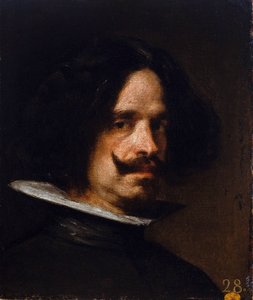
1599 - 1660 , Španělsko

Explore the profound drama of Spanish Baroque art. Delve into the mastery of light, shadow, and realism through the legendary works of Diego Velázquez and the Spanish Golden Age with our expert-led historical guide.

Explore the profound elegance of Baroque Classicism. Discover how 17th-century masters synthesized dramatic emotion with classical order through the lens of the Counter-Reformation and the works of legends like Carlo Maratta and Andrea Sacchi.

Explore the dramatic evolution from Mannerist distortion to Baroque grandeur. Discover how light, shadow, and emotion redefined art history through a masterclass in technical mastery and religious fervor.

Explore the profound differences between Baroque drama and Rococo elegance. Our expert guide delves into art history, chiaroscuro, and the evolution of European masterpieces for collectors and enthusiasts seeking deep historical context.


Buďte na tahu s nejnovějšími novinkami ze světa umění, exkluzivními nabídkami a inspirativními nápady na dekoraci.
Sdělte nám více o svém projektu a naši odborníci na umění vám připraví 3 personalizované návrhy uměleckých děl.
Nechť pro vás vybereme 3 možnosti – zdarma!


 Náhled
 Sdílet
 Sdílet
 Podrobnosti o díle

 Stáhnout
 Podobné položky
 Rentgenové snímky
 Slideshow

 Zobrazit více







 Skleněná varianta je dostupná pouze u rozměrů menších než 110 cm


