x

Ručně malovaná olejná barva na plátně ve vašem zvoleném rozměru i s rámem, vyrobená našimi umělci na zakázku. ( Přepnout na tisk Přepnout na obrázek)





























Vyberte si z našich přednastavených velikostí, které odpovídají původním proporcím díla.

Můžete zadat vlastní rozměry pro konkrétní rám nebo prostor. Pokud se vámi vybraná velikost neshoduje s proporcemi původního obrazu, dílo buď ořízneme, nebo jej doplníme ručně malovanými prvky. Před zahájením výroby vám bude zaslán digitální náhled ke schválení.
Upozorňujeme, že náhled na obrazovce neodpovídá skutečnému ořezu ani rozšíření. Pouze digitální náhled přesně zobrazí finální kompozici.
Ačkoliv je možné zvolit vlastní velikost, pro zachování původních proporcí doporučujeme vybrat rozměr z předdefinovaného seznamu.
Celosvětová doprava () za 3–4 týdny namísto standardních 5 týdnů. (6 srpen). Bez kompromisů v kvalitě.


The Supper at Emmaus
Rozměry reprodukce
Titian’s “Supper at Emmaus,” a painting steeped in the profound drama of the Gospels, isn't merely a depiction of a biblical scene; it’s an invitation into a moment of spiritual awakening. Completed around 1534, this work transcends its religious subject matter to become a powerful meditation on faith, doubt, and the transformative power of encountering the divine. The painting captures the pivotal encounter between Jesus Christ and two disciples on their journey to Emmaus—an event that fundamentally altered their understanding of his resurrection. It’s a scene brimming with quiet intensity, a carefully constructed tableau designed to resonate deeply with viewers across centuries.
The composition itself is masterfully orchestrated. Titian eschews the dramatic gestures and overt expressions often associated with religious art of the period, opting instead for a subtle realism that draws the viewer into the intimate exchange between Jesus and his disciples. The figures are rendered with an almost photographic precision—notice the folds of their garments, the texture of the bread, even the individual strands of wicker in the basket of fruit. This meticulous detail wasn’t simply about accuracy; it was a deliberate choice to ground the ethereal subject matter in a tangible reality, making the miraculous encounter all the more believable and emotionally resonant.
Titian, arguably the greatest colorist of the Renaissance, wields his palette with breathtaking skill in “Supper at Emmaus.” The painting is a symphony of warm hues—rich oranges, deep reds, and earthy browns—that create an atmosphere of both warmth and solemnity. He employs a technique known as ‘sfumato,’ blurring the edges of forms and creating a hazy, atmospheric effect that softens the figures and imbues the scene with a sense of mystery. This is particularly evident in the background, which recedes into a dark, undefined space, drawing attention to the central figures.
Titian’s brushwork is loose and expressive, a departure from the more polished style favored by some of his contemporaries. He uses broad strokes to define shapes and create a sense of movement, while layering thin glazes of color to build up depth and luminosity. The use of gold leaf in the details—the fruit basket, the clothing—adds a touch of opulence and reinforces the sacred nature of the scene. It’s a testament to Titian's understanding that color wasn't just decorative; it was a powerful tool for conveying emotion and meaning.
Beyond its immediate narrative, “Supper at Emmaus” is rich in symbolic detail. The basket of fruit, laden with oranges—a relatively rare sight in Renaissance paintings—is often interpreted as representing the abundance of God’s grace. The scattered crumbs on the table symbolize the broken bread of the Eucharist, a potent reminder of Christ's sacrifice and the communion shared by believers. Even the gesture of Cleopas, reaching out to grasp Jesus’ hand, is laden with significance—it represents the willingness to embrace faith despite doubt.
The painting’s setting itself contributes to its symbolic weight. The dimly lit room suggests a space of contemplation and spiritual searching. It's not a grand or celebratory scene; rather, it’s a quiet moment of revelation, a glimpse into the profound transformation that occurs when one encounters the divine. The figures are not actively engaged in conversation, but their shared gaze speaks volumes—a silent acknowledgment of the miracle they have witnessed.
“Supper at Emmaus” stands as a testament to Titian’s genius and his profound understanding of human emotion. It's a painting that invites viewers to pause, reflect, and consider their own relationship with faith and the possibility of encountering the divine in unexpected places. Reproductions of this masterpiece capture only a fraction of its power—the subtle nuances of color, the delicate brushwork, and the deeply felt sense of spiritual longing that permeate every inch of the canvas. It remains a timeless depiction of one of Christianity’s most poignant stories, rendered with unparalleled beauty and insight.

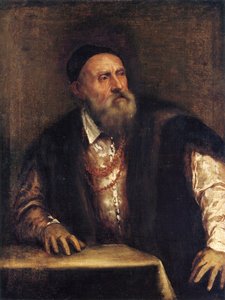
1490 - 1576 , Itálie

Explore the revolutionary techniques & enduring legacy of Titian, the master of Venetian Renaissance portraiture. Discover insights for collectors & appreciate his impact on art history.
Objevte 25 ikonických děl Fra Angelica – renesančního mistra andělských freskek a náboženských maleb. Prozkoumejte jeho techniku, inspiraci a duchovní poselství. Luxusní reprodukce obrazů pro váš interiér na Most-Famous-Paintings.cz

Prozkoumejte 25 ikonických děl El Greco – španělského mistra renesance a baroka. Obdivujte jeho duchovní malby, portréty a unikátní styl na Most-Famous-Paintings.com. Reprodukce obrazů pro váš interiér.

Objevte 25 ikonických děl Giotta di Bondone – průkopníka renesance! Prozkoumejte fresky, náboženské obrazy a mistrovská díla plná emocí. Najděte umělecké reprodukce pro váš interiér na Most-Famous-Paintings.com.

Explore the profound artistry of The Last Supper through an art historian's lens. From Leonardo da Vinci’s genius to diverse Renaissance interpretations, discover the symbolism and technique behind history's most iconic sacred depictions.


Buďte na tahu s nejnovějšími novinkami ze světa umění, exkluzivními nabídkami a inspirativními nápady na dekoraci.
Sdělte nám více o svém projektu a naši odborníci na umění vám připraví 3 personalizované návrhy uměleckých děl.
Nechť pro vás vybereme 3 možnosti – zdarma!


 Náhled
 Sdílet
 Sdílet
 Podrobnosti o díle

 Stáhnout
 Podobné položky
 Rentgenové snímky
 Slideshow


 Zobrazit více







 Skleněná varianta je dostupná pouze u rozměrů menších než 110 cm