


x
Pro každou otázku existuje pouze jedna správná odpověď.

Ambrogio Lorenzetti (1290-1348), průkopnický sienský malíř známý freskami jako 'Dobrá a Špatná vláda'. Objevte jeho inovativní spojení byzantského, klasického a naturalistického stylu!

Explore the captivating works of the Master of Cabestany, a 12th-century Italian artist renowned for his illuminated manuscripts & stylized figures. Discover Toulouse Martyrdoms & biblical scenes.
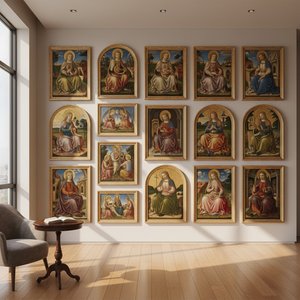
Objevte 25 ikonických děl Fra Angelica – renesančního mistra andělských freskek a náboženských maleb. Prozkoumejte jeho techniku, inspiraci a duchovní poselství. Luxusní reprodukce obrazů pro váš interiér na Most-Famous-Paintings.cz

Discover the innovative terracotta glazing techniques of Luca della Robbia, a Renaissance master sculptor. Explore his iconic works, legacy, and collecting tips with Most-Famous-Paintings.

Prozkoumejte 25 ikonických děl Galleria degli Uffizi ve Florencii! Obdivujte Botticelliho, Leonarda da Vinci a další renesanční mistry. Reprodukce obrazů pro váš domov na Most-Famous-Paintings.com – inspirace a umění do interiéru.
Nebyly nalezeny žádná umělecká díla.


Buďte na tahu s nejnovějšími novinkami ze světa umění, exkluzivními nabídkami a inspirativními nápady na dekoraci.
Sdělte nám více o svém projektu a naši odborníci na umění vám připraví 3 personalizované návrhy uměleckých děl.
Nechť pro vás vybereme 3 možnosti – zdarma!


