x

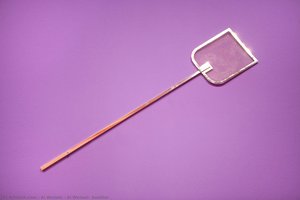
 CeramicSculptureContemporary Art
 2011Contemporary
 5.0 x 10.0 cm
 Oscar Niemeyers Museum
Køb et højopløst, forbedret digitalt billede, der er langt bedre end online-forhåndsvisningen.
Hver fil er omhyggeligt forberedt af vores interne specialister ved hjælp af avancerede værktøjer og ekspertmæssig manuel retuschering. Vi sikrer, at hvert billede har enestående klarhed, præcis farvegengivelse og fine detaljer.
Den endelige fil leveres via e-mail inden for 72 timer og er optimeret til øjeblikkelig brug i professionelle, redaktionelle og trykte miljøer. Det er den samme kvalitet, som førende designstudier, forlag og gallerier har tillid til.
Download en højopløselig fil til personlig fremvisning, print og kreative projekter. ( Skift til print Skift til håndmalet maleri)
Når du vælger Most-Famous-Paintings.com, får du ikke blot et billede – du modtager et professionelt optimeret digitalt kunstværk, skabt med præcision og sikret med en tilfredshedsgaranti. Her er alt, hvad din ordre automatisk indeholder:

Din højkvalitets digitale billedfil vil blive sendt til din e-mail inden for 72 timer efter bestilling – klar til øjeblikkelig brug.

Dit kunstværk optimeres professionelt ved hjælp af avancerede AI-værktøjer og manuel redigering, hvilket sikrer maksimal detaljegrad, klarhed og farvenøjagtighed.

Har du ved en fejl slettet eller mistet din fil? Ingen bekymring – vi sender den igen til enhver tid, helt gratis.

Nyd dit kunstværk med det samme uden told, afgifter eller leveringsgebyrer – digitale downloads er altid skattefrie.

Vi sikrer, at dit digitale billede gengiver de originale farver så præcist som muligt ved hjælp af professionelle værktøjer og farvestyring.

Hvis du ikke er tilfreds med dit digitale billede, vil vi revidere det eller refundere 100% inden for 60 dage – uden spørgsmål.

Ik tilfreds? Få fuld refusion inden for 60 dage efter modtagelse af din digitale fil – uden spørgsmål.

Køb 3 billeder, spar 10% - Køb 5, spar 15% - Køb 10+, spar 20%. Ideelt til kreative projekter, gallerier og bureauer.

Ai Weiwei, born in Beijing in 1957, stands as one of the most recognizable and controversial figures in contemporary Chinese art. His upbringing amidst the stark realities of rural northwest China—marked by his father’s exile under Mao Zedong’s regime—shaped his worldview and fueled a lifelong commitment to artistic expression as a vehicle for social critique. From an early age, Weiwei demonstrated an innate fascination with sculpture and design, honing his skills through formal education at Tsinghua University before embarking on a career that would propel him into the global spotlight. His life has been a continuous dialogue between the personal and the political, where the boundaries of art and activism are perpetually blurred.
Weiwei’s initial artistic endeavors focused on minimalist sculptural forms—often utilizing industrial materials like steel and concrete—reflecting a deliberate rejection of traditional Chinese aesthetics. This stylistic choice was not merely aesthetic; it symbolized his desire to challenge established conventions and forge his own path within the evolving landscape of Chinese art. Influenced by the conceptual rigor of artists such as Donald Judd and Sol LeWitt, he embraced principles that prioritized ideas over visual ornamentation. His early works explored themes of fragmentation and repetition, mirroring deep-seated anxieties about societal uniformity and governmental control—a preoccupation that would become the heartbeat of his entire artistic practice.
The trajectory of Weiwei’s career shifted dramatically in the late 1990s as he began engaging in activism against corruption within China's education system. This transformation was catalyzed by the devastating "Tofu Dreg Schools" scandal, where a massive earthquake exposed systemic negligence and bribery in school construction. Galvanized by this tragedy, Weiwei utilized his artistic platform to expose injustices and amplify marginalized voices, turning his studio into a site of investigation and protest. His work transitioned from purely formal explorations into profound social investigations, often involving the collection of data, names, and evidence to hold power to account.
This period marked the rise of his monumental installations that command global attention. One of his most iconic achievements, Sunflower Seeds (2010), featured millions of handcrafted porcelain seeds spread across the floor of the Tate Modern. This work served as a powerful metaphor for the relationship between the individual and the masses, reflecting on themes of mass production, Chinese craftsmanship, and the weight of history. Through such large-scale installations, he forces the viewer to confront the sheer scale of human existence and the fragility of the individual within a vast, often indifferent, political machine.
Beyond his physical sculptures, Ai Weiwei has mastered the use of photography and digital media to document contemporary struggles. His ability to weave together the personal narrative with global crises—such as the refugee crisis or the erosion of freedom of speech—has cemented his status as a global icon of resistance. His work does not merely exist in galleries; it exists in the streets, on social media, and in the very conscience of the international community.
The historical significance of Ai Weiwei lies in his refusal to remain silent. His career serves as a testament to the power of the artist as a witness. Through his diverse body of work, we see:

1957 - , China


Hold dig opdateret med de seneste kunstnyheder, eksklusive tilbud og indretningsideer.
Fortæl os om dit projekt, og vores kunsteksperter vil give dig 3 personlige kunstforslag.
Vi kuraterer 3 valgmuligheder kun til dig – Gratis!


 Del
Del Del
Del
 Detaljer

 Download
 Lignende værker
 Diasshow
 Se mere