


x

 EngravingWallArtNorthern Renaissance Printmaking
 1495
1495 570.0 x 389.0 cm
 British Museum
Giclée- eller lærredstryk i museumskvalitet med hurtig produktion og fleksible muligheder for finish. ( Køb håndlavet maleri Køb billede)





























Vælg mellem vores forudindstillede størrelser, der matcher kunstværkets originale proportioner.

Du kan indtaste dine egne mål for at passe til en specifik ramme eller et bestemt område. Hvis den valgte størrelse ikke stemmer overens med det originale billedes proportioner, vil vi enten beskære kunstværket eller udvide billedet med en spejlet eller ensfarvet kant. En digital mockup vil blive sendt til din godkendelse, før produktionen påbegyndes.
Bemærk venligst, at forhåndsvisningen på skærmen ikke afspejler den faktiske beskæring eller udvidelse. Kun mockuppen vil nøjagtigt vise den endelige komposition.
Selvom specialmål er tilgængelige, anbefaler vi at vælge et mål fra den foruddefinerede liste for at bevare de originale proportioner.
Verdensomspændende levering () på 2 uger i stedet for de sædvanlige 4/5 uger. (21 august)


Crucifixion
Størrelse på reproduktion
Albrecht Dürer's "Crucifixion," executed in 1495, isn’t merely a depiction of a biblical scene; it’s a profound meditation on suffering, faith, and the human condition rendered with an almost unbearable intensity. This monumental engraving, measuring over five feet tall, immediately commands attention not just for its scale but for the sheer emotional weight packed into every meticulously etched line. Dürer, a pivotal figure in the Northern Renaissance, masterfully utilizes the constraints of printmaking to achieve a level of realism and psychological depth rarely seen in his time. The work transcends simple illustration, becoming a powerful testament to the artist’s skill and his deeply felt engagement with religious iconography.
Dürer's genius lies not just in his subject matter but in his extraordinary technical prowess. The engraving is executed primarily through two distinct techniques – drypoint and burin – a masterful combination that yields both velvety softness and razor-sharp precision. Drypoint, achieved by scratching directly into the metal plate, creates delicate, almost charcoal-like lines, lending an ethereal quality to the drapery and facial features. Simultaneously, the burin technique delivers crisp, defined outlines, particularly evident in the musculature of Christ’s body and the angularity of the surrounding figures. This duality allows Dürer to build up incredible tonal range – subtle gradations of gray suggesting texture, volume, and even the play of light on skin and fabric. The cross itself is a marvel of controlled line work, its geometric stability juxtaposed with the organic forms of the human bodies it supports.
The composition of “Crucifixion” adheres to traditional religious iconography while simultaneously imbuing the scene with a deeply personal resonance. Christ, centrally positioned on the cross, is not idealized; he’s depicted as a vulnerable, suffering figure – his body contorted in agony, his face etched with pain. Surrounding him are figures of profound grief: Mary, her head bowed in sorrow, and other mourners expressing a range of emotions—despair, lamentation, and quiet reverence. The angels, positioned above the scene, aren’t simply observers; they embody divine compassion and witness to this pivotal moment. Notably, a small dog is depicted at the base of the cross – a detail often interpreted as representing fidelity and loyalty, mirroring Christ's unwavering devotion. The distant landscape, rendered with a degree of atmospheric perspective, anchors the scene within a broader context of earthly suffering and spiritual longing.
Created during the height of the Northern Renaissance, “Cruifixion” reflects the era’s fascination with realism and humanism. Dürer's meticulous attention to anatomical detail—a hallmark of his work—was influenced by his study of classical art and his own keen observation of the human form. However, this realism is tempered by a profound sense of emotional intensity. The engraving wasn’t simply intended as a historical record; it was designed to evoke empathy and contemplation in the viewer. Dürer's exploration of grief, sacrifice, and redemption speaks directly to universal themes of mortality and faith—themes that continue to resonate powerfully with audiences today. This work serves as a poignant reminder of the enduring power of art to capture not just visual likeness but also the very essence of human experience.
Most-Famous-Paintings offers meticulously crafted hand-painted reproductions of this iconic masterpiece, allowing you to bring its profound beauty and emotional depth into your home or studio. Each reproduction is created by skilled artists using archival quality materials, ensuring that the spirit and integrity of Dürer’s original work are faithfully preserved for generations to come.

Dürer’s indflydelse resonerer gennem århundredernes kunsthistorie. Hans præcise realisme, hans innovative brug af trykkunst og hans teoretiske skrifter inspirerer stadig kunstnere og forskere i dag.

1471 - 1528 , Tyskland
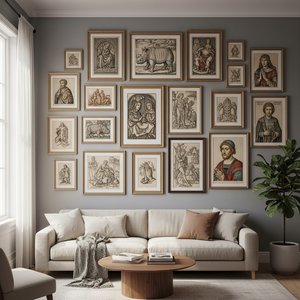
Oplev Albrecht Dürers 25 mest ikoniske værker – fra detaljerede træsnit til fængslende selvportrætter. Fordyb dig i renæssancekunstens historie og find inspiration til dit hjem med Most-Famous-Paintings.coms eksklusive reproduktioner. Udforsk samlingen online!
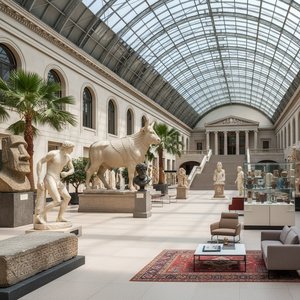
Oplev British Museums 25 mest ikoniske kunstværker! Fra egyptiske skatte til Rembrandts mesterværker – lær historierne bag tidløs kunst. Find museumskvalitets reproduktioner & inspiration til dit hjem på Most-Famous-Paintings.com

Oplev 10 legendariske raderinger af Dürer, Rembrandt & Goya! Fordyb dig i kunsthistorien og lær om teknikken bag disse ikoniske værker. Find inspiration til din indretning med museumskvalitets reproduktioner på Most-Famous-Paintings.com.

Explore the life & art of Albrecht Dürer, a pivotal German Renaissance master. Discover his groundbreaking printmaking techniques, iconic self-portraits, and lasting influence on Western art history. A deep dive into innovation & symbolism.

Explore the rich history of engraving with Most-Famous-Paintings. Discover techniques, iconic artists like Dürer & Callot, collecting tips, and expert guidance for preserving your art investment. Learn about intaglio printing & more!


Hold dig opdateret med de seneste kunstnyheder, eksklusive tilbud og indretningsideer.
Fortæl os om dit projekt, og vores kunsteksperter vil give dig 3 personlige kunstforslag.
Vi kuraterer 3 valgmuligheder kun til dig – Gratis!


 Se i fuld skala
 Del
Del Del
Del
 Detaljer

 Download
 Lignende værker
 Røntgenundersøgelse
 Diasshow
 Se mere







 Glasmulighed er kun tilgængelig i størrelser under 110 cm


