


x

 Olie på lærredVægkunstExpressionism
 1610Renæssancen
 97.0 x 77.0 cm
 El Greco-museet i Toledo
Køb et højopløst, forbedret digitalt billede, der er langt bedre end online-forhåndsvisningen.
Hver fil er omhyggeligt forberedt af vores interne specialister ved hjælp af avancerede værktøjer og ekspertmæssig manuel retuschering. Vi sikrer, at hvert billede har enestående klarhed, præcis farvegengivelse og fine detaljer.
Den endelige fil leveres via e-mail inden for 72 timer og er optimeret til øjeblikkelig brug i professionelle, redaktionelle og trykte miljøer. Det er den samme kvalitet, som førende designstudier, forlag og gallerier har tillid til.
Download en højopløselig fil til personlig fremvisning, print og kreative projekter. ( Køb print Køb håndlavet maleri)
Når du vælger Most-Famous-Paintings.com, får du ikke blot et billede – du modtager et professionelt optimeret digitalt kunstværk, skabt med præcision og sikret med en tilfredshedsgaranti. Her er alt, hvad din ordre automatisk indeholder:

Din højkvalitets digitale billedfil vil blive sendt til din e-mail inden for 72 timer efter bestilling – klar til øjeblikkelig brug.

Dit kunstværk optimeres professionelt ved hjælp af avancerede AI-værktøjer og manuel redigering, hvilket sikrer maksimal detaljegrad, klarhed og farvenøjagtighed.

Har du ved en fejl slettet eller mistet din fil? Ingen bekymring – vi sender den igen til enhver tid, helt gratis.

Nyd dit kunstværk med det samme uden told, afgifter eller leveringsgebyrer – digitale downloads er altid skattefrie.

Vi sikrer, at dit digitale billede gengiver de originale farver så præcist som muligt ved hjælp af professionelle værktøjer og farvestyring.

Hvis du ikke er tilfreds med dit digitale billede, vil vi revidere det eller refundere 100% inden for 60 dage – uden spørgsmål.

Ik tilfreds? Få fuld refusion inden for 60 dage efter modtagelse af din digitale fil – uden spørgsmål.

Køb 3 billeder, spar 10% - Køb 5, spar 15% - Køb 10+, spar 20%. Ideelt til kreative projekter, gallerier og bureauer.
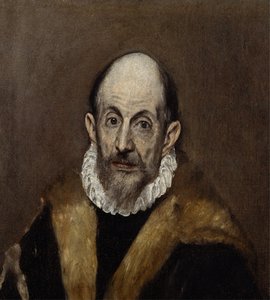
Dominikos Theotokópoulos, universally known as El Greco – “the Greek” – possessed an artistic vision that stubbornly defied categorization, a singular blend of Byzantine spirituality and Renaissance dynamism. His 1610 painting, “Apostle St Thomas,” housed within the Museo de El Greco in Toledo, Spain, stands as a potent testament to this unique approach, offering a glimpse into the mind of a master who anticipated the emotional currents of Expressionism centuries before its formal emergence. More than simply a portrait of an apostle, it’s a deeply felt meditation on faith, doubt, and the arduous journey toward spiritual understanding.
The painting immediately commands attention through its dramatic use of color and form. A deep, almost impenetrable darkness dominates the background, drawing the viewer's eye relentlessly to the central figure – St Thomas himself. He is depicted with a palpable sense of gravity, his features etched with an intensity that speaks volumes about his experience. The artist’s masterful manipulation of light creates a powerful contrast between the illuminated apostle and the enveloping shadows, suggesting both vulnerability and profound conviction. El Greco's signature style—characterized by elongated figures, distorted perspectives, and vibrant, often clashing colors—is fully realized here, creating an atmosphere that is simultaneously unsettling and deeply moving.
El Greco’s technical prowess is evident in every brushstroke. The painting was executed in oil on canvas, a medium he expertly utilized to achieve remarkable detail and texture. Notice the meticulous rendering of St Thomas's robe, its folds cascading with an almost sculptural quality. The artist employs a technique known as “sfumato,” subtly blurring edges and creating a sense of atmospheric depth—a crucial element in conveying the painting’s emotional weight. The staff held by the apostle is not merely a prop; it’s integrated into the composition, adding both visual interest and symbolic significance. Its upward thrust directs the viewer's gaze towards the heavens, reinforcing the theme of spiritual aspiration.
The composition itself is carefully constructed to guide the viewer’s eye. The figure of St Thomas occupies a central position, yet he isn’t isolated. His hands—one gesturing downward in a gesture of doubt and the other holding the staff—create a dynamic tension within the frame. This duality reflects the apostle's own struggle with disbelief before his eventual acceptance of Christ’s resurrection. The limited use of color – primarily deep blues, reds, and browns – further emphasizes the figure’s prominence and contributes to the painting’s overall sense of solemnity.
Born in Crete around 1541, El Greco spent much of his career in Italy and Spain, absorbing influences from various artistic traditions. His time in Toledo, a city steeped in religious history and art, proved particularly formative. The painting’s setting—a dimly lit interior reminiscent of the austere churches of Toledo—underscores its devotional purpose. St Thomas, as the apostle who initially doubted Christ's resurrection before receiving proof through the wound in his side, embodies the theme of faith tested by adversity.
The inclusion of the staff is also significant. It represents the pillar upon which St Thomas rested after touching the resurrected body of Christ—a potent symbol of unwavering belief and divine confirmation. The painting’s overall mood reflects the turbulent religious climate of 17th-century Spain, a period marked by both fervent piety and intense persecution of heresy. El Greco's work, often interpreted as challenging conventional artistic norms, resonated with audiences who sought a more emotionally resonant form of religious expression.
Today, “Apostle St Thomas” continues to captivate viewers with its raw emotional power and technical brilliance. The Museo de El Greco in Toledo serves as a dedicated shrine to the artist’s legacy, housing an extensive collection of his works alongside those of other Spanish masters. El Greco's influence extends far beyond the confines of the museum walls; he is considered a precursor to Expressionism and Cubism, artists who similarly sought to convey subjective experience through distorted forms and intense color palettes.
Reproductions of “Apostle St Thomas” are highly sought after by collectors and interior designers alike, offering a way to bring this iconic masterpiece into private homes and spaces. Whether admired for its historical significance or simply appreciated for its aesthetic beauty, El Greco’s “Apostle St Thomas” remains a powerful reminder of the enduring power of faith, doubt, and artistic vision.

1541 - 1614 , Grækenland


Hold dig opdateret med de seneste kunstnyheder, eksklusive tilbud og indretningsideer.
Fortæl os om dit projekt, og vores kunsteksperter vil give dig 3 personlige kunstforslag.
Vi kuraterer 3 valgmuligheder kun til dig – Gratis!


 Se i fuld skala
 Del
Del Del
Del
 Detaljer

 Download
 Lignende værker
 Røntgenundersøgelse
 Diasshow
 Se mere


