x

Håndmalet olie på lærred i din valgte størrelse og ramme, udført efter bestilling af vores kunstnere. ( Køb print Køb billede)





























Vælg mellem vores forudindstillede størrelser, der matcher kunstværkets originale proportioner.

Du kan indtaste dine egne mål for at passe til en bestemt ramme eller plads. Hvis den valgte størrelse ikke stemmer overens med det originale billedes proportioner, vil vi enten beskære kunstværket eller udvide maleriet med yderligere håndmalede elementer. En digital skitse sendes til din godkendelse, før produktionen påbegyndes.
Bemærk venligst, at forhåndsvisningen på skærmen ikke afspejler den faktiske beskæring eller udvidelse. Kun skitsen vil nøjagtigt vise den endelige komposition.
Selvom specialmål er mulige, anbefaler vi at vælge en dimension fra den foruddefinerede liste for at bevare de originale proportioner.
Levering i hele verden () på 3/4 uger i stedet for de standard 5 uger. (18 august). Ingen kompromiser med kvaliteten.


Marzella
Størrelse på reproduktion
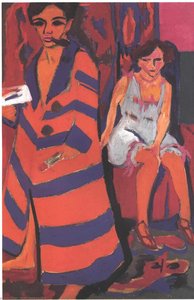
Ernst Ludwig Kirchner’s “Marzella,” painted in 1909, is more than just a portrait; it's a raw distillation of the anxieties and emotional currents swirling through early Expressionism. This oil on panel work immediately confronts the viewer with a figure – a woman rendered with unsettling intensity – set against a deliberately stark background. The composition itself feels charged, a visual representation of inner turmoil. Kirchner’s masterful use of color—dominant yellows punctuated by deep blues and greens—amplifies this sense of unease, reflecting not just the physical environment but also the psychological state of the subject.

Kirchner’s technique is central to the painting's impact. He employs bold, gestural brushstrokes, deliberately distorting forms to convey emotion rather than adhering to realistic representation. The woman’s face, particularly her eyes, are rendered with an almost feverish intensity, drawing the viewer into a world of subjective experience. Notice how the lines of her clothing and hair seem to vibrate with energy, contributing to the overall sense of agitation. This deliberate distortion aligns perfectly with the Expressionist movement's core philosophy: to express inner feelings through art, often at the expense of objective reality.
"Marzella" was created during a period of profound social and artistic change in Germany. The late 19th and early 20th centuries witnessed rapid industrialization, urbanization, and a growing sense of alienation. Kirchner and his fellow Expressionists responded to these changes by rejecting the prevailing academic styles and seeking new ways to represent the human condition. The painting reflects the anxieties surrounding modernity, the breakdown of traditional values, and the increasing isolation experienced by individuals in an increasingly complex world. It’s a key work demonstrating the shift away from Impressionism towards a more subjective and emotionally charged artistic vision.
Beyond its technical brilliance, “Marzella” is rich in symbolic meaning. The woman's bowed head and melancholic gaze suggest a deep sadness or perhaps a sense of resignation. The yellow background, often associated with anxiety and madness, further intensifies the painting’s emotional impact. Kirchner wasn’t simply depicting a portrait; he was attempting to capture a fleeting moment of profound psychological intensity. “Marzella” continues to resonate with viewers today because it taps into universal themes of loneliness, despair, and the struggle for identity – emotions that remain powerfully relevant in our own time.

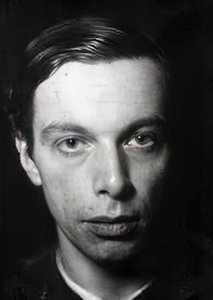
1880 - 1938 , Tyskland

Explore the visceral power of German Expressionism. From Ernst Ludwig Kirchner to Die Brücke, discover how bold colors and distorted forms unmask raw human emotion in this expert art history guide for collectors and enthusiasts.


Hold dig opdateret med de seneste kunstnyheder, eksklusive tilbud og indretningsideer.
Fortæl os om dit projekt, og vores kunsteksperter vil give dig 3 personlige kunstforslag.
Vi kuraterer 3 valgmuligheder kun til dig – Gratis!


 Se i fuld skala
 Del
Del Del
Del
 Detaljer

 Download
 Lignende værker
 Røntgenundersøgelse
 Diasshow


 Se mere







 Glasmulighed er kun tilgængelig i størrelser under 110 cm