x

 Oil On CanvasWallArtGerman Expressionism
 193119th Century
 200.0 x 150.0 cm
Giclée- eller lærredstryk i museumskvalitet med hurtig produktion og fleksible muligheder for finish. ( Køb håndlavet maleri Køb billede)





























Vælg mellem vores forudindstillede størrelser, der matcher kunstværkets originale proportioner.

Du kan indtaste dine egne mål for at passe til en specifik ramme eller et bestemt område. Hvis den valgte størrelse ikke stemmer overens med det originale billedes proportioner, vil vi enten beskære kunstværket eller udvide billedet med en spejlet eller ensfarvet kant. En digital mockup vil blive sendt til din godkendelse, før produktionen påbegyndes.
Bemærk venligst, at forhåndsvisningen på skærmen ikke afspejler den faktiske beskæring eller udvidelse. Kun mockuppen vil nøjagtigt vise den endelige komposition.
Selvom specialmål er tilgængelige, anbefaler vi at vælge et mål fra den foruddefinerede liste for at bevare de originale proportioner.
Verdensomspændende levering () på 2 uger i stedet for de sædvanlige 4/5 uger. (21 august)


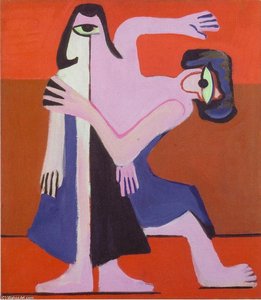
Reiterin
Størrelse på reproduktion
Ernst Ludwig Kirchner’s “Reiterin,” painted in 1931 and measuring an imposing 200 x 150 cm, is more than just a depiction of a woman on horseback; it's a visceral plunge into the heart of German Expressionism. Housed within the Kirchner Museum Davos, this artwork embodies the artist’s signature style – a potent blend of bold color, distorted forms, and an unflinching exploration of psychological intensity. The scene unfolds with a dramatic dynamism, capturing a fleeting moment of movement and suggesting a profound sense of isolation and perhaps even unease. Kirchner masterfully utilizes the canvas to convey not just what he sees, but how he *feels* about it – a characteristic hallmark of his artistic vision.
"Reiterin" was created during a period of significant social and political upheaval in Germany. The rise of Expressionism reflected anxieties about modernity, industrialization, and the perceived loss of traditional values. Kirchner’s work can be interpreted as a response to these concerns, portraying a world fractured by alienation and uncertainty. The woman on horseback, a recurring motif in Kirchner's oeuvre, often represents a solitary figure struggling against an overwhelming environment – a symbol of individual resistance or perhaps even despair. The setting itself, seemingly desolate and devoid of human connection, reinforces this interpretation.
“Reiterin” is not a comfortable painting; it’s deliberately unsettling. Kirchner doesn't offer easy answers or resolutions. Instead, he forces the viewer to confront uncomfortable emotions – loneliness, anxiety, and perhaps even a sense of impending doom. This raw emotional honesty is what makes the work so compelling and enduring. It stands as a testament to Kirchner’s ability to translate personal turmoil into a universally resonant artistic statement. Its influence can be seen in subsequent generations of artists who embraced Expressionism's commitment to subjective experience and its rejection of academic conventions.
None
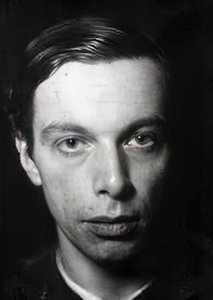
1880 - 1938 , Tyskland

Explore the visceral power of German Expressionism. From Ernst Ludwig Kirchner to Die Brücke, discover how bold colors and distorted forms unmask raw human emotion in this expert art history guide for collectors and enthusiasts.

Explore the profound emotional depth of Expressionist portraiture. From Edvard Munch to Francis Bacon, discover how masters used distortion and color to reveal inner truths. Learn about this pivotal movement and find museum-quality oil reproductions for your collection.


Hold dig opdateret med de seneste kunstnyheder, eksklusive tilbud og indretningsideer.
Fortæl os om dit projekt, og vores kunsteksperter vil give dig 3 personlige kunstforslag.
Vi kuraterer 3 valgmuligheder kun til dig – Gratis!


 Se i fuld skala
 Del
Del Del
Del
 Detaljer

 Download
 Lignende værker
 Røntgenundersøgelse
 Diasshow
 Se mere







 Glasmulighed er kun tilgængelig i størrelser under 110 cm