x


 Bestil tryk Køb højopløseligt billede
 Del
Del
 Detaljer
 Tilføj til favoritter
 Download
 Lignende værker
 Røntgenundersøgelse
 Diasshow
 Oil On CanvasWallArtExpressionist Urbanity
 1912
1912 101.0 x 113.0 cm
 Staatsgalerie Moderner Kunst
Håndmalet olie på lærred i din valgte størrelse og ramme, udført efter bestilling af vores kunstnere.





























Vælg mellem vores forudindstillede størrelser, der matcher kunstværkets originale proportioner.

Du kan indtaste dine egne mål for at passe til en bestemt ramme eller plads. Hvis den valgte størrelse ikke stemmer overens med det originale billedes proportioner, vil vi enten beskære kunstværket eller udvide maleriet med yderligere håndmalede elementer. En digital skitse sendes til din godkendelse, før produktionen påbegyndes.
Bemærk venligst, at forhåndsvisningen på skærmen ikke afspejler den faktiske beskæring eller udvidelse. Kun skitsen vil nøjagtigt vise den endelige komposition.
Selvom specialmål er mulige, anbefaler vi at vælge en dimension fra den foruddefinerede liste for at bevare de originale proportioner.
Levering i hele verden () på 3/4 uger i stedet for de standard 5 uger. (18 juli). Ingen kompromiser med kvaliteten.


Rotes Eilsabethufer, Berlin
Størrelse på reproduktion
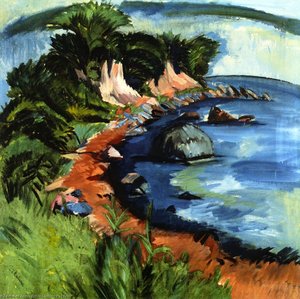
Ernst Ludwig Kirchner’s *Rotes Elisabethufer*, painted in 1912, isn’t merely a cityscape; it’s a visceral snapshot of early 20th-century Berlin – a city brimming with restless energy and the anxieties of modernity. This oil on canvas, measuring a substantial 101 x 113 cm, housed within the Staatsgalerie in Munich, captures a pivotal moment in Kirchner's artistic journey and the broader trajectory of German Expressionism. The painting immediately assaults the senses with its bold palette: fiery reds dominate the composition, particularly in the prominent bridge that arches dramatically across the river, while blues and greens provide a stark contrast, hinting at both the industrial grit and the fleeting beauty of the urban landscape.
Kirchner was a central figure in Die Brücke (The Bridge), a group of artists who deliberately rejected the academic traditions of their time. They sought to express raw emotion and subjective experience through distorted forms, jarring colors, and an unflinching portrayal of modern life. *Rotes Elisabethufer* embodies this ethos perfectly. The figures depicted – pedestrians strolling along the embankment, individuals clustered near the bridge – are not rendered with realistic detail but rather as fragmented shapes, imbued with a sense of urgency and alienation. Their postures suggest movement, yet there’s no clear direction or destination; they seem caught in the relentless current of urban existence.
The composition itself is deliberately unsettling. Kirchner employs a dynamic, almost frenetic approach to perspective, creating a sense of depth that feels simultaneously inviting and disorienting. The bridge, rendered in intense red, acts as a visual anchor, drawing the eye into the heart of the scene. However, its exaggerated form and vibrant hue contribute to the overall feeling of unease. The castle-like building on the opposite bank isn’t a comforting landmark but rather a looming presence, adding to the painting's sense of claustrophobia and impending doom – a common theme in Kirchner’s work reflecting the anxieties of his time.
Kirchner’s masterful technique lies not in meticulous realism but in his ability to convey emotion through brushwork. Thick, impasto strokes create a palpable texture, emphasizing the physicality of the paint itself. The colors are applied with an almost violent energy, creating a sense of movement and dynamism. The distortion of forms – elongated figures, skewed angles, and exaggerated proportions – is not arbitrary; it’s a deliberate strategy to communicate the psychological state of the subjects, reflecting the emotional turmoil simmering beneath the surface of modern life.
*Rotes Elisabethufer* resonates with deeper symbolic meaning. The “Red Elisabeth Bridge,” as it's often referred to, was a significant landmark in Berlin, connecting the city’s burgeoning industrial district with its historic center. However, Kirchner transforms this familiar scene into something far more complex and unsettling. The bridge becomes a symbol of transition, of the collision between tradition and modernity, between past and future. The river itself can be interpreted as a metaphor for the flow of time, carrying both promise and peril.
Furthermore, the painting’s vibrant colors – particularly the dominant red – are often associated with passion, energy, and even danger. Kirchner uses this color to heighten the emotional intensity of the scene, conveying a sense of urgency and excitement while simultaneously hinting at underlying anxieties. The overall effect is one of profound psychological depth, inviting viewers to contemplate the complexities of urban life and the human condition.
*Rotes Elisabethufer* stands as a cornerstone of German Expressionism and a testament to Kirchner’s unique artistic vision. Its influence can be seen in the works of subsequent generations of artists, who continued to explore themes of alienation, anxiety, and social critique. The painting's raw emotional power and innovative use of color and form continue to resonate with audiences today, solidifying its place as a masterpiece of modern art. Reproductions of this iconic work offer a powerful window into the soul of Berlin at the dawn of the 20th century – a city grappling with rapid change and searching for meaning in an increasingly complex world.

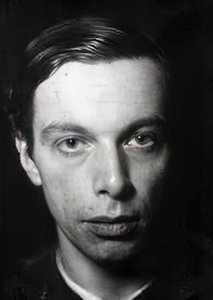
1880 - 1938 , Tyskland
Oplev Mark Rothkos 25 mest ikoniske malerier – en dybdegående rejse i abstrakt ekspressionisme og farvefeltmaleri. Lær historien bag værkerne & find inspiration til din indretning med Most-Famous-Paintings.dk. Udforsk samlingen online!

Oplev Claude Monets 25 mest ikoniske malerier! Fordyb dig i impressionismens verden, fra vandliljer til solnedgange. Find inspiration og køb museumskvalitets kunsttryk på Most-Famous-Paintings.com – perfekt til dit hjem. Udforsk samlingen online!
Oplev Paul Cézannes 25 mest ikoniske malerier – fra stilleben til landskaber. Lær om impressionismen, hans unikke stil og køb eksklusive kunsttryk på Most-Famous-Paintings.dk. Find inspiration til din indretning!
Oplev de 10 mest ikoniske værker fra Tysk Ekspressionisme! Lær historierne bag Kirchner, Nolde & Kandinsky. Find museumskvalitets kunsttryk og inspiration til din indretning på Most-Famous-Paintings.com – udforsk samlingen online.
Oplev Egon Schiele's 25 mest ikoniske kunstværker. Dyk ned i ekspressionismens intensitet, portrætter og nøgenkunst. Find inspiration til din boligindretning & køb museumskvalitets reproduktioner på Most-Famous-Paintings.com.


Hold dig opdateret med de seneste kunstnyheder, eksklusive tilbud og indretningsideer.
Fortæl os om dit projekt, og vores kunsteksperter vil give dig 3 personlige kunstforslag.
Vi kuraterer 3 valgmuligheder kun til dig – Gratis!


 Del
Del

 Se mere







 Glasmulighed er kun tilgængelig i størrelser under 110 cm