


x
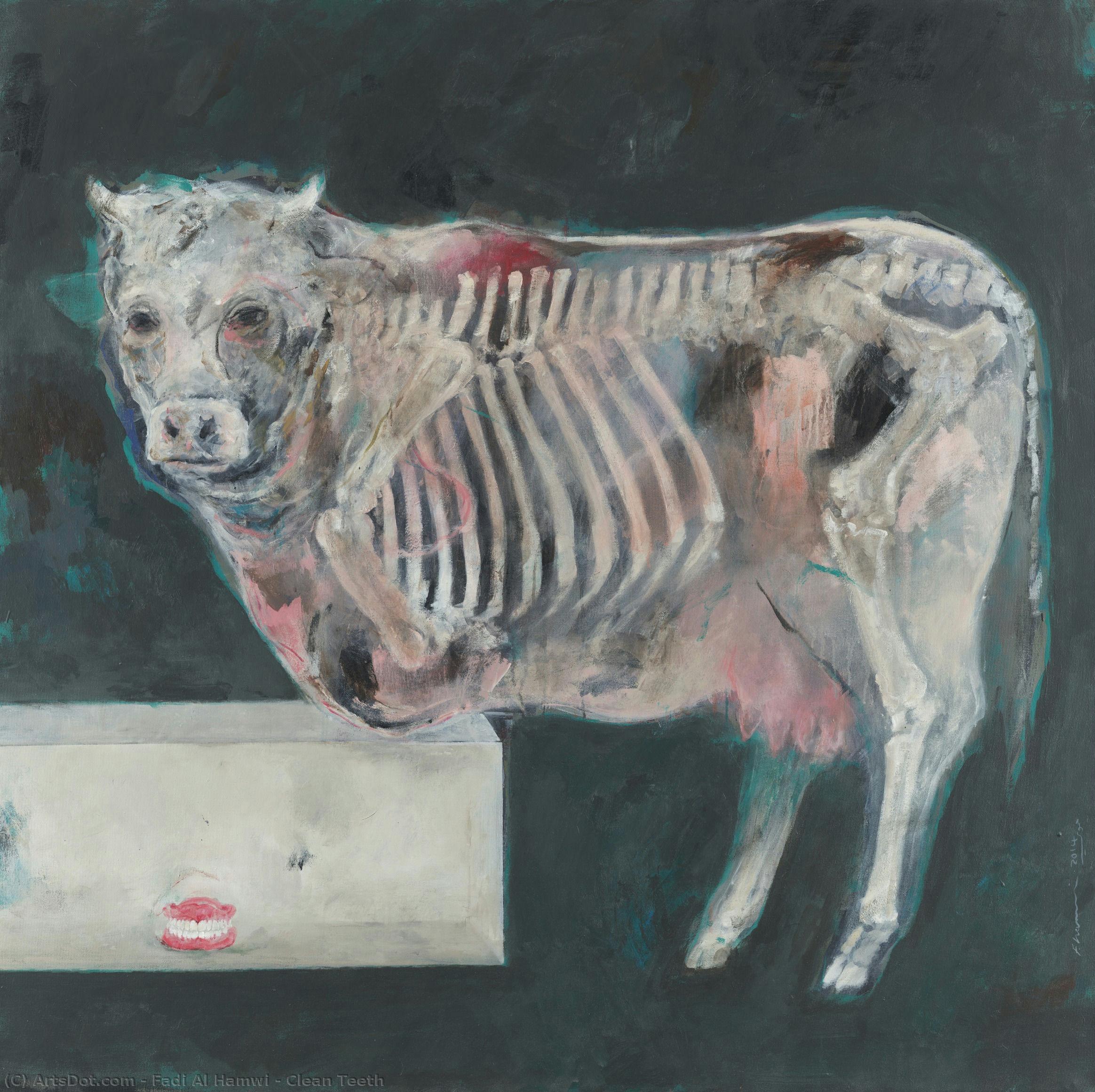
 150.0 x 150.0 cm
 Barjeel Art Foundation
Køb et højopløst, forbedret digitalt billede, der er langt bedre end online-forhåndsvisningen.
Hver fil er omhyggeligt forberedt af vores interne specialister ved hjælp af avancerede værktøjer og ekspertmæssig manuel retuschering. Vi sikrer, at hvert billede har enestående klarhed, præcis farvegengivelse og fine detaljer.
Den endelige fil leveres via e-mail inden for 72 timer og er optimeret til øjeblikkelig brug i professionelle, redaktionelle og trykte miljøer. Det er den samme kvalitet, som førende designstudier, forlag og gallerier har tillid til.
Download en højopløselig fil til personlig fremvisning, print og kreative projekter. ( Køb print Køb håndlavet maleri)
Når du vælger Most-Famous-Paintings.com, får du ikke blot et billede – du modtager et professionelt optimeret digitalt kunstværk, skabt med præcision og sikret med en tilfredshedsgaranti. Her er alt, hvad din ordre automatisk indeholder:

Din højkvalitets digitale billedfil vil blive sendt til din e-mail inden for 72 timer efter bestilling – klar til øjeblikkelig brug.

Dit kunstværk optimeres professionelt ved hjælp af avancerede AI-værktøjer og manuel redigering, hvilket sikrer maksimal detaljegrad, klarhed og farvenøjagtighed.

Har du ved en fejl slettet eller mistet din fil? Ingen bekymring – vi sender den igen til enhver tid, helt gratis.

Nyd dit kunstværk med det samme uden told, afgifter eller leveringsgebyrer – digitale downloads er altid skattefrie.

Vi sikrer, at dit digitale billede gengiver de originale farver så præcist som muligt ved hjælp af professionelle værktøjer og farvestyring.

Hvis du ikke er tilfreds med dit digitale billede, vil vi revidere det eller refundere 100% inden for 60 dage – uden spørgsmål.

Ik tilfreds? Få fuld refusion inden for 60 dage efter modtagelse af din digitale fil – uden spørgsmål.

Køb 3 billeder, spar 10% - Køb 5, spar 15% - Køb 10+, spar 20%. Ideelt til kreative projekter, gallerier og bureauer.

Corita McCarthy (1918-1986) wasn’t a name that frequently graced the hallowed halls of traditional art history, yet her vibrant, deceptively simple works have steadily gained recognition as a uniquely American voice in mid-century modernism. Born Jeanne Agnes Corita Kent in Los Angeles, she initially pursued a career as a teacher, a role that profoundly shaped her artistic vision and ultimately became inextricably linked to her creative output. McCarthy’s art wasn't about grand pronouncements or complex narratives; it was an exuberant celebration of everyday life, a joyful exploration of color, pattern, and the inherent beauty found in the mundane.
McCarthy’s early life was marked by a progressive education philosophy instilled by her parents. They ran a school emphasizing hands-on learning and creative expression – a stark contrast to the prevailing educational models of the time. This environment fostered a deep appreciation for process, experimentation, and the inherent value of making. She attended Scripps College in Claremont, California, where she studied art, but it was during her years as a teacher at Gompers High School in Los Angeles that her artistic journey truly began. Observing her students’ creative impulses, their spontaneous drawings and collages, ignited within her a desire to capture this same spirit of playful invention.
Her initial forays into art were largely unschooled – she taught herself printmaking techniques using discarded materials like cardboard boxes, wallpaper scraps, and even old grocery bags. This resourceful approach became a hallmark of her style, reflecting a deliberate rejection of traditional artistic hierarchies and a commitment to utilizing readily available resources. McCarthy’s early works, often referred to as “box prints,” were characterized by their bold color combinations, layered patterns, and a sense of joyful chaos. These weren't meticulously planned compositions; they emerged from a process of intuitive experimentation, mirroring the spirit of her teaching philosophy.
Following her retirement from teaching in 1976, McCarthy dedicated herself fully to her art, establishing a studio in Edmundson, California. This period witnessed a significant shift in her work, moving beyond the purely utilitarian box prints and embracing larger-scale works incorporating silkscreen printing, collage, and found objects. She began to explore themes of community, connection, and the beauty of ordinary moments – subjects deeply rooted in her experiences as an educator.
Influences on McCarthy’s work were diverse and often unexpected. She drew inspiration from children's book illustrations, particularly those of Maurice Sendak, appreciating their ability to convey complex emotions through simple forms and vibrant colors. The works of Josef Albers, with his explorations of color theory and optical illusions, also resonated with her interest in visual perception. However, McCarthy’s style remained distinctly her own – a unique blend of playful experimentation, joyful exuberance, and a profound appreciation for the beauty of everyday life.
McCarthy's process was as central to her art as the finished product. She favored silkscreen printing, a technique that allowed her to create bold, graphic images with precise color control. However, she often layered this with collage elements – scraps of paper, fabric, and other found objects – adding texture and depth to her compositions. Her use of color was particularly striking; she employed a vibrant palette of saturated hues, often juxtaposing unexpected combinations that created a sense of visual excitement.
A key element of her technique involved creating multiple layers within the silkscreen process itself. She would print one image on top of another, building up complex patterns and textures through careful layering and manipulation. This meticulous approach resulted in works that were both visually dynamic and remarkably detailed – a testament to her dedication to craft.
Corita McCarthy’s work has had a lasting impact on contemporary art and design. Her playful, optimistic aesthetic resonated with a generation seeking alternatives to the prevailing seriousness of post-war art. She demonstrated that beauty could be found in unexpected places – in discarded materials, in everyday moments, and in the simple act of making.
Today, McCarthy’s work is exhibited widely in museums and galleries around the world. Her legacy extends beyond her artistic achievements; she remains a powerful advocate for creativity, education, and the transformative power of art. Her insistence on embracing process over product, experimentation over perfection, continues to inspire artists and educators alike – a vibrant reminder that joy and beauty can be found in the most unexpected corners of our lives.

1986 - , Syrian Arab Republic


Hold dig opdateret med de seneste kunstnyheder, eksklusive tilbud og indretningsideer.
Fortæl os om dit projekt, og vores kunsteksperter vil give dig 3 personlige kunstforslag.
Vi kuraterer 3 valgmuligheder kun til dig – Gratis!


 Se i fuld skala
 Del
Del Del
Del
 Detaljer

 Download
 Lignende værker
 Røntgenundersøgelse
 Diasshow
 Se mere


