


x

Giclée- eller lærredstryk i museumskvalitet med hurtig produktion og fleksible muligheder for finish. ( Køb håndlavet maleri Køb billede)





























Vælg mellem vores forudindstillede størrelser, der matcher kunstværkets originale proportioner.

Du kan indtaste dine egne mål for at passe til en specifik ramme eller et bestemt område. Hvis den valgte størrelse ikke stemmer overens med det originale billedes proportioner, vil vi enten beskære kunstværket eller udvide billedet med en spejlet eller ensfarvet kant. En digital mockup vil blive sendt til din godkendelse, før produktionen påbegyndes.
Bemærk venligst, at forhåndsvisningen på skærmen ikke afspejler den faktiske beskæring eller udvidelse. Kun mockuppen vil nøjagtigt vise den endelige komposition.
Selvom specialmål er tilgængelige, anbefaler vi at vælge et mål fra den foruddefinerede liste for at bevare de originale proportioner.
Verdensomspændende levering () på 2 uger i stedet for de sædvanlige 4/5 uger. (15 august)


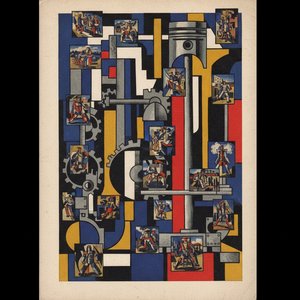
Street
Størrelse på reproduktion
Fernand Léger's "Street" offers a captivating glimpse into the burgeoning dynamism of early 20th-century urban life, rendered with a distinctive naive style that simultaneously evokes a sense of primitive authenticity and sophisticated abstraction. Painted by one of the most influential figures of the Cubist movement, this artwork isn’t merely a depiction of a street scene; it's an exploration of how modernity – specifically the impact of industrialization and the machine age – was perceived and translated onto canvas. Léger, born Joseph Fernand Henri Léger in 1881 in Argentan, Normandy, brought a unique perspective to art, shaped by his upbringing amidst the rural landscapes that contrasted sharply with the burgeoning mechanical world he sought to capture.
Léger's artistic journey was profoundly influenced by the technological advancements of his time. He saw in the machine age not just a source of pollution or disruption, but also a new aesthetic – one characterized by clean lines, geometric shapes, and a sense of powerful movement. “Street” embodies this fascination, presenting figures and objects as fragmented yet recognizable forms, echoing the mechanical structures that were transforming urban landscapes. The bicycle, a symbol of personal mobility in an increasingly mechanized world, is rendered with particular attention to its angularity and solidity, reflecting Léger’s interest in the formal qualities of industrial design.
This approach was revolutionary for its time. While many artists retreated into pure abstraction, Léger sought to bridge the gap between the tangible world and the realm of artistic expression. He wasn't simply depicting a street; he was constructing a visual vocabulary that spoke directly to the anxieties and aspirations of a society undergoing rapid transformation.
Beyond its formal qualities, “Street” carries a subtle emotional weight. The figures, though rendered in a simplified style, convey a sense of everyday activity – people going about their business, interacting with one another. This focus on the ordinary elevates the scene to something more profound, suggesting that even the most mundane aspects of urban life could be imbued with artistic significance. Léger’s use of color and composition creates a dynamic tension, capturing both the energy and the potential alienation of modern city life.
The painting's naive style invites viewers to engage with it on an intuitive level, bypassing intellectual analysis and tapping into a primal sense of recognition. It is a testament to Léger’s belief that art should be accessible to all, regardless of their formal training or cultural background.
Fernand Léger's “Street” stands as a pivotal work in the history of modern art, demonstrating his unique ability to synthesize Cubist principles with a distinctly personal vision. His influence extended beyond painting, impacting sculpture, design, and architecture. Today, reproductions of this captivating artwork offer an opportunity to experience firsthand the innovative spirit of one of the 20th century’s most important artists – a reminder that even in the midst of technological change, the human element remains at the heart of artistic expression.
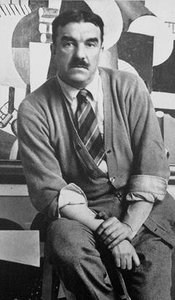
1881 - 1955 , Frankrig
Oplev Fernand Légers 25 mest ikoniske kunstværker! Dyk ned i kubismens verden, maskinæraen og hans farverige malerier. Find inspiration til din boligindretning & køb reproduktioner af højeste kvalitet på Most-Famous-Paintings.com.

Explore the world of giclée prints with Most-Famous-Paintings. Learn about archival quality, aesthetic nuances & investment potential. Expert guidance for discerning art collectors seeking museum-quality reproductions and lasting value.

Oplev industriens sjæl i kunsten! Udforsk 10 ikoniske værker fra impressionismen til realismen. Find inspiration til dit hjem og køb museumskvalitets kunsttryk online hos Most-Famous-Paintings.com – din kilde til berømte malerier & dekoration.

Explore the captivating world of vintage art prints! Discover their history, collecting tips & enduring appeal. Expert insights on chromolithography and building a legacy collection with Most-Famous-Paintings.

Dive into the high-impact revolution of street art and modern culture. From stencil legends to global urban canvases, explore the trends shaping today's aesthetic. Discover premium, hand-painted reproductions and custom pieces that bring the edge of the streets to your space with Most-Famous-Paintings.com.


Hold dig opdateret med de seneste kunstnyheder, eksklusive tilbud og indretningsideer.
Fortæl os om dit projekt, og vores kunsteksperter vil give dig 3 personlige kunstforslag.
Vi kuraterer 3 valgmuligheder kun til dig – Gratis!


 Se i fuld skala
 Del
Del Del
Del
 Detaljer

 Download
 Lignende værker
 Røntgenundersøgelse
 Diasshow

 Se mere







 Glasmulighed er kun tilgængelig i størrelser under 110 cm


