


x
 Art Nouveau
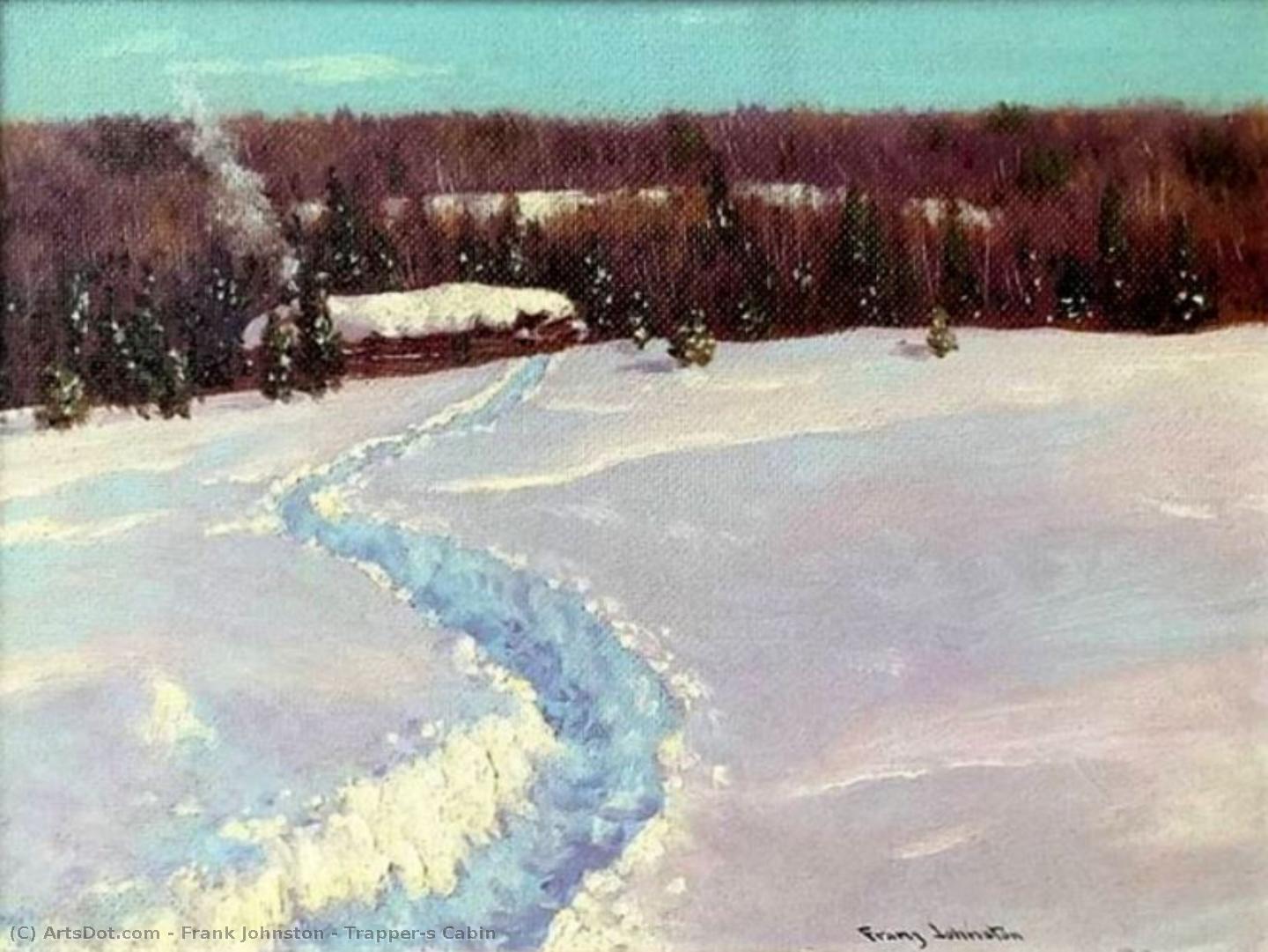
 1940
1940 43.0 x 53.0 cm
Køb et højopløst, forbedret digitalt billede, der er langt bedre end online-forhåndsvisningen.
Hver fil er omhyggeligt forberedt af vores interne specialister ved hjælp af avancerede værktøjer og ekspertmæssig manuel retuschering. Vi sikrer, at hvert billede har enestående klarhed, præcis farvegengivelse og fine detaljer.
Den endelige fil leveres via e-mail inden for 72 timer og er optimeret til øjeblikkelig brug i professionelle, redaktionelle og trykte miljøer. Det er den samme kvalitet, som førende designstudier, forlag og gallerier har tillid til.
Download en højopløselig fil til personlig fremvisning, print og kreative projekter. ( Køb print Køb håndlavet maleri)
Når du vælger Most-Famous-Paintings.com, får du ikke blot et billede – du modtager et professionelt optimeret digitalt kunstværk, skabt med præcision og sikret med en tilfredshedsgaranti. Her er alt, hvad din ordre automatisk indeholder:

Din højkvalitets digitale billedfil vil blive sendt til din e-mail inden for 72 timer efter bestilling – klar til øjeblikkelig brug.

Dit kunstværk optimeres professionelt ved hjælp af avancerede AI-værktøjer og manuel redigering, hvilket sikrer maksimal detaljegrad, klarhed og farvenøjagtighed.

Har du ved en fejl slettet eller mistet din fil? Ingen bekymring – vi sender den igen til enhver tid, helt gratis.

Nyd dit kunstværk med det samme uden told, afgifter eller leveringsgebyrer – digitale downloads er altid skattefrie.

Vi sikrer, at dit digitale billede gengiver de originale farver så præcist som muligt ved hjælp af professionelle værktøjer og farvestyring.

Hvis du ikke er tilfreds med dit digitale billede, vil vi revidere det eller refundere 100% inden for 60 dage – uden spørgsmål.

Ik tilfreds? Få fuld refusion inden for 60 dage efter modtagelse af din digitale fil – uden spørgsmål.

Køb 3 billeder, spar 10% - Køb 5, spar 15% - Køb 10+, spar 20%. Ideelt til kreative projekter, gallerier og bureauer.

Vincent van Gogh (1853-1890) remains one of the most recognizable and profoundly influential figures in art history, a testament to the power of raw emotion channeled through brushstrokes. Born in Groot Zundert, Netherlands, into a family with a strong religious background, Van Gogh’s early life was marked by a sense of restlessness and a yearning for purpose that would ultimately drive him toward an unconventional path as an artist. Initially working as an art dealer, he struggled to find success and fulfillment until, at the age of 27, he decided to dedicate himself entirely to painting – a decision that would irrevocably alter both his life and the course of modern art.
Van Gogh’s artistic journey was remarkably short but intensely productive. He developed a distinctive style characterized by bold colors, impasto (thickly applied paint), swirling brushstrokes, and an expressive use of line. His early works, often depicting peasant laborers and rural landscapes, were influenced by the Realist movement and the Dutch Masters. However, he quickly moved beyond mere imitation, seeking to capture not just the appearance of a subject but also its emotional essence. This shift is evident in his series of "Sunflowers," vibrant still lifes that radiate with energy and optimism, and in his depictions of the night sky, which are imbued with a sense of wonder and turbulence.
A pivotal moment in Van Gogh’s career was his move to Paris in 1886. There, he encountered the Impressionist and Post-Impressionist movements, absorbing influences from artists like Monet, Degas, and Toulouse-Lautrec. He experimented with brighter colors, looser brushwork, and a greater emphasis on capturing fleeting moments of light and atmosphere. However, it was his time in Arles, Southern France, in 1888, that produced some of his most iconic works – including “Bedroom in Arles,” “The Starry Night Over the Rhone,” and the celebrated "Sunflowers" series. This period marked a peak in his creative output, fueled by a desire to establish an artist’s colony alongside Paul Gauguin, though this collaboration ultimately ended in tragedy.
Van Gogh's artistic development was shaped by a complex interplay of influences. Initially drawn to the realism of Dutch masters like Rembrandt and Millet, he gradually embraced the Impressionist techniques of capturing light and color. The Symbolist movement, with its focus on subjective experience and emotional expression, also played a significant role in his evolving style. Notably, he was deeply affected by Japanese woodblock prints, which introduced him to bold compositions, flattened perspectives, and simplified forms – elements that would later become integral to his own work.
Crucially, Van Gogh’s artistic vision wasn't solely derived from external sources. He possessed a highly developed sense of observation and an intense emotional sensitivity. His paintings are not simply representations of the world but rather expressions of his inner state – his joys, sorrows, anxieties, and spiritual yearnings. This intensely personal approach to art distinguishes him from many of his contemporaries and contributes significantly to the enduring power of his work.
Van Gogh’s oeuvre encompasses a remarkable range of subjects, including portraits, landscapes, still lifes, and interiors. However, certain themes recur throughout his paintings, reflecting his core concerns and artistic interests. These include: the beauty of nature, particularly the rural landscapes of Provence; the dignity of labor and the lives of ordinary people; the solace found in religious faith; and the experience of mental illness and emotional turmoil.
Some of his most celebrated works include “The Potato Eaters” (1885), a poignant depiction of peasant life; "Self-Portrait with Bandaged Ear" (1889), a haunting image that reveals the artist’s struggles with mental health; and, of course, the series of “Sunflowers,” which are renowned for their vibrant colors and expressive brushwork. His later works, painted during his stay at Saint-Paul-de-Mausole asylum in 1889, are characterized by a heightened sense of intensity and emotional vulnerability – culminating in masterpieces like "The Starry Night."
Despite achieving little commercial success during his lifetime, Vincent van Gogh’s work has since become universally recognized as one of the most important achievements in art history. His innovative techniques, expressive style, and deeply personal vision profoundly influenced generations of artists, paving the way for movements such as Expressionism and Fauvism.
Van Gogh's legacy extends far beyond the realm of painting. He is now celebrated as a symbol of artistic genius, emotional honesty, and the transformative power of creativity. His life story – marked by hardship, struggle, and ultimately tragic loss – continues to resonate with audiences worldwide, reminding us of the enduring value of human experience and the importance of pursuing one’s passions.
Today, Van Gogh's paintings are displayed in major museums around the world, attracting millions of visitors each year. His work serves as a powerful reminder that art can transcend boundaries, connect people across cultures, and offer profound insights into the human condition.

1888 - 1949 , Canada


Hold dig opdateret med de seneste kunstnyheder, eksklusive tilbud og indretningsideer.
Fortæl os om dit projekt, og vores kunsteksperter vil give dig 3 personlige kunstforslag.
Vi kuraterer 3 valgmuligheder kun til dig – Gratis!


 Se i fuld skala
 Del
Del Del
Del
 Detaljer

 Download
 Lignende værker
 Røntgenundersøgelse
 Diasshow
 Se mere





