Sælg din kunst
Ønskeliste Indkøbskurv Cart
Se i fuld skalaSe i fuld skala AR-forhåndsvisningAR-forhåndsvisning Køb print Køb printKøb billede Køb billede DelDel
DetaljerDetaljer Tilføj til favoritter Tilføj til favoritter DownloadDownload Lignende værkerLignende værker RøntgenundersøgelseRøntgenundersøgelse DiasshowDiasshow

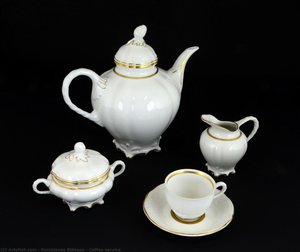
Chocolate Maker

Admire 'Chocolate Maker' by Fürstenberg Porcelain Company (1920). A stunning black & white reproduction of this exquisite Meissen piece. Elevate your art collection today!

Fürstenberg Porcelain Company is renowned for its exquisite Rococo and Neoclassical porcelain creations, including iconic tablewares and figurines; discover the timeless elegance of their artistry.

Håndlavet oliereproduktion

Håndmalet olie på lærred i din valgte størrelse og ramme, udført efter bestilling af vores kunstnere. (Køb print Køb printKøb billede Køb billede)

P118B $10
P118H $10
P118W $10
P438Z $10
P508JH $12
P508YH $12
P805H $10
P805Z $10
P919BZ $10
P919G $10
P919XJ $10
P959ZH $10
P968JZ $12
W106C $8
W218G $10
W218JH $8
W218Y $10
W307PJ $10
W316G $10
W316PJ $8
W316Y $10
W398PJ $8
W4111J $10
W500HY $15
W500JH $15
W692G $12
W849H $8
W940BG $15
W953PJ $8

Standard
custom
CM
INCH

Vælg mellem vores forudindstillede størrelser, der matcher kunstværkets originale proportioner.

bredde
højde

Du kan indtaste dine egne mål for at passe til en bestemt ramme eller plads. Hvis den valgte størrelse ikke stemmer overens med det originale billedes proportioner, vil vi enten beskære kunstværket eller udvide maleriet med yderligere håndmalede elementer. En digital skitse sendes til din godkendelse, før produktionen påbegyndes.
Bemærk venligst, at forhåndsvisningen på skærmen ikke afspejler den faktiske beskæring eller udvidelse. Kun skitsen vil nøjagtigt vise den endelige komposition.
Selvom specialmål er mulige, anbefaler vi at vælge en dimension fra den foruddefinerede liste for at bevare de originale proportioner.

Eksempler på hvad der kan ændres: Udskift ansigt med kundens eget foto; Tilføj kæledyr (f.eks. udskift kat med hund); Inkluder en skjult besked i baggrunden; Ændr baggrundslandskab eller elementer.
Efter bestilling vil Most-Famous-Paintings.com team sende en e-mail til kunden for at få instruktioner og levere et udkast til en skitse.

Levering i hele verden () på 3/4 uger i stedet for de standard 5 uger. (20 august). Ingen kompromiser med kvaliteten.

why_choose_icon
Gratis ekspresforsendelse til hele verden
why_choose_icon
Lærred af linned i høj kvalitet
why_choose_icon
Fuld transportforsikring
why_choose_icon
Garanti for refusion af told og importafgifter
why_choose_icon
Garanti for præcis farvegengivelse
why_choose_icon
60 dages returret (kun ved fabrikationsfejl)
why_choose_icon
100% Tilfredshedsgaranti
why_choose_icon
Mængderabat tilgængelig

Samlet pris

$ 272

reproduction

Chocolate Maker

Reproduktionsmetode

Størrelse på reproduktion

-

Samlet pris

$ 272


Kunstnerens biografi

The Enduring Legacy of Fürstenberg Porcelain

Fürstenberg Porcelain, a name synonymous with German artistry and refined elegance, boasts a history deeply interwoven with the ambitions of royalty and the pursuit of porcelain perfection. Founded in 1747 by Duke Carl I of Brunswick-Wolfenbüttel, the manufactory wasn’t merely intended as a source of luxury goods; it was conceived as a statement – a demonstration of the duchy's cultural prowess and economic independence. The Duke, captivated by the delicate beauty of porcelain emanating from Meissen, sought to replicate its success within his own domain. He understood that mastering this complex craft would not only elevate Brunswick-Wolfenbüttel’s status but also provide a valuable source of revenue. The initial years were fraught with challenges, as the secrets of hard-paste porcelain remained closely guarded by their Saxon rivals. However, through diligent experimentation and the recruitment of skilled artisans – notably from Meissen itself – Fürstenberg steadily began to unlock the mysteries of its creation. The early production focused on imitating existing models, but quickly evolved into a distinctive style characterized by rococo flourishes, intricate gilding, and a palette favoring soft blues, greens, and pinks.

Early Innovations and Rococo Splendor

The first decades of Fürstenberg’s existence were marked by an intense focus on technical innovation. Johann Gottlieb Kirchner, the factory's early director, played a pivotal role in establishing the manufactory’s reputation for quality. He successfully developed a unique porcelain paste using local materials, allowing Fürstenberg to move beyond simple imitation and forge its own path. This period saw the creation of exquisite tablewares – plates, cups, saucers, and elaborate serving pieces – adorned with scenes inspired by mythology, pastoral life, and the fashionable rococo aesthetic. The factory’s artisans excelled in producing finely painted figures, often depicting allegorical subjects or charming genre scenes. A hallmark of Fürstenberg porcelain from this era is its exceptional detail; delicate facial expressions, flowing draperies, and meticulously rendered foliage all speak to the skill and artistry of the craftsmen involved. The courtly demand for these pieces fueled production, establishing a clientele that extended beyond Brunswick-Wolfenbüttel to other European courts. The factory also pioneered innovative forms, such as the *Zwischenring* – an intermediate ring used in the firing process to create exceptionally thin-walled porcelain vessels.

Neoclassical Refinement and Royal Patronage

As tastes shifted towards Neoclassicism in the late 18th century, Fürstenberg adapted with remarkable grace. The rococo’s exuberant curves gave way to cleaner lines, symmetrical compositions, and motifs drawn from classical antiquity. The influence of artists like Johann Heinrich Wilhelm Tischbein, who served as court painter to Duke Ferdinand of Brunswick-Wolfenbüttel, is evident in the porcelain produced during this period. Figures became more stately and dignified, reflecting the ideals of reason and order that characterized the Neoclassical era. The factory continued to receive significant royal patronage, with commissions for elaborate dinner services, decorative vases, and ornamental sculptures. Duke Ferdinand, a keen art collector himself, actively encouraged experimentation and innovation within the manufactory. This led to the development of new techniques, such as *relief fond* – a method of creating raised designs on porcelain surfaces that added depth and texture to the pieces. The factory’s commitment to quality remained unwavering, ensuring that Fürstenberg porcelain continued to be highly sought after by discerning collectors throughout Europe.

The 19th Century: Artistic Diversification

The 19th century witnessed a period of artistic diversification at Fürstenberg. While continuing to produce traditional tablewares and figures, the factory also embraced new styles and techniques. The rise of Romanticism inspired a renewed interest in historical subjects and exotic motifs. Porcelain pieces from this era often depicted scenes from medieval legends, literary works, and distant lands. The factory’s artisans experimented with different glazes and colors, creating a wider range of aesthetic effects. A significant development was the introduction of *porcelain painting on biscuit* – a technique that allowed for greater detail and realism in figure decoration. The factory also began to produce architectural porcelain elements, such as panels and tiles, used in interior design projects. This expansion into new areas helped Fürstenberg maintain its relevance in a rapidly changing art world. The influence of the Art Nouveau movement can be seen in some later 19th-century pieces, with their flowing lines and organic forms.

Fürstenberg Today: A Continuing Tradition

Today, Fürstenberg Porcelain continues to thrive as one of Germany’s leading porcelain manufacturers. The factory remains committed to its tradition of handcraftsmanship, employing skilled artisans who carry on the techniques developed over centuries. While embracing modern design aesthetics, Fürstenberg also honors its rich heritage by producing reproductions of classic models and continuing to create pieces in traditional styles. The factory's current collection includes a wide range of products – from elegant tablewares and decorative objects to contemporary art pieces. Fürstenberg porcelain is still highly prized by collectors worldwide, not only for its beauty and craftsmanship but also for its historical significance. The factory’s enduring legacy is a testament to the vision of Duke Carl I, who recognized the power of art to elevate culture and enhance prestige. The meticulous attention to detail, the exquisite painting, and the innovative techniques employed by Fürstenberg artisans continue to set it apart as a true masterpiece of German porcelain.

Kort om kunstneren

  • Artistic Movement Or Style: Porcelain Manufacturing
  • Date Of Death: Living
  • Full Name: Fürstenberg Porcelain Company