x

 Oil On CanvasWallArtContemporary Realism
 1973Contemporary
 90.0 x 65.0 cm
Køb et højopløst, forbedret digitalt billede, der er langt bedre end online-forhåndsvisningen.
Hver fil er omhyggeligt forberedt af vores interne specialister ved hjælp af avancerede værktøjer og ekspertmæssig manuel retuschering. Vi sikrer, at hvert billede har enestående klarhed, præcis farvegengivelse og fine detaljer.
Den endelige fil leveres via e-mail inden for 72 timer og er optimeret til øjeblikkelig brug i professionelle, redaktionelle og trykte miljøer. Det er den samme kvalitet, som førende designstudier, forlag og gallerier har tillid til.
Download en højopløselig fil til personlig fremvisning, print og kreative projekter. ( Køb print Køb håndlavet maleri)
Når du vælger Most-Famous-Paintings.com, får du ikke blot et billede – du modtager et professionelt optimeret digitalt kunstværk, skabt med præcision og sikret med en tilfredshedsgaranti. Her er alt, hvad din ordre automatisk indeholder:

Din højkvalitets digitale billedfil vil blive sendt til din e-mail inden for 72 timer efter bestilling – klar til øjeblikkelig brug.

Dit kunstværk optimeres professionelt ved hjælp af avancerede AI-værktøjer og manuel redigering, hvilket sikrer maksimal detaljegrad, klarhed og farvenøjagtighed.

Har du ved en fejl slettet eller mistet din fil? Ingen bekymring – vi sender den igen til enhver tid, helt gratis.

Nyd dit kunstværk med det samme uden told, afgifter eller leveringsgebyrer – digitale downloads er altid skattefrie.

Vi sikrer, at dit digitale billede gengiver de originale farver så præcist som muligt ved hjælp af professionelle værktøjer og farvestyring.

Hvis du ikke er tilfreds med dit digitale billede, vil vi revidere det eller refundere 100% inden for 60 dage – uden spørgsmål.

Ik tilfreds? Få fuld refusion inden for 60 dage efter modtagelse af din digitale fil – uden spørgsmål.

Køb 3 billeder, spar 10% - Køb 5, spar 15% - Køb 10+, spar 20%. Ideelt til kreative projekter, gallerier og bureauer.
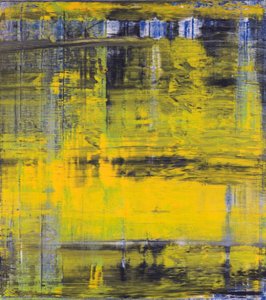
In the vast landscape of contemporary art, few works possess the quiet, arresting power of Gerhard Richter’s Grey (Bark). Created in 1973, this masterpiece invites the viewer into a profound dialogue with the surface itself. At first glance, the painting presents an expanse of monochromatic gray, yet a closer inspection reveals a world of subtle irregularities and meticulously crafted textures. These rhythmic bumps and undulations are not mere accidents of the brush; they are intentional evocations of natural bark, suggesting a weathered resilience that speaks to the endurance of the natural world. The work exists in that ethereal space between what is seen and what is felt, offering an experience that is as much about tactile sensation as it is about visual perception.
Richter’s signature brilliance lies in his ability to blur the boundaries between photorealism and abstraction. While the surface may initially resemble a monochromatic photograph, the painting deliberately avoids capturing a definitive, literal image. Instead, it prioritizes suggestion over representation, a technique that mirrors the artist's deeper philosophical inquiries into the reliability of human memory and sight. By blending these two seemingly opposing styles, Richter creates a sense of "uncertainty" that becomes the very soul of the piece. For the collector or interior designer, this ambiguity provides a sophisticated focal point—a work that changes character depending on the light, the angle of view, and the contemplative state of the observer.
The technical execution of Grey (Bark) is a testament to Richter’s mastery over oil paint. To achieve such a complex surface, the artist employed a sophisticated layering process, alternating between thin, translucent washes and thicker, more sculptural impasto. This meticulous buildup of pigment allows light to interact with the canvas in a way that creates depth within a seemingly flat color field. The result is a surface that feels alive, possessing a materiality that anchors the abstract concept in physical reality. It is this very tension—between the ethereal gray hue and the rugged, tactile texture—that gives the painting its enduring emotional weight.
To understand the gravity of this work, one must consider the historical moment of its creation. Emerging from the post-World War II era, Richter’s 1973 production was part of a broader movement toward conceptual art and abstraction that sought to navigate the anxieties of a fractured Germany. The neutral gray palette can be seen as a symbol of contemplation and a refusal to offer easy, propagandistic answers, reflecting a period of profound social and political questioning. In Grey (Bark), we find a beautiful synthesis of history and emotion: a piece that uses the motif of bark to symbolize transformation and connection, offering a sense of stability and organic strength amidst the complexities of the modern human experience.


1932 - , Tyskland


Hold dig opdateret med de seneste kunstnyheder, eksklusive tilbud og indretningsideer.
Fortæl os om dit projekt, og vores kunsteksperter vil give dig 3 personlige kunstforslag.
Vi kuraterer 3 valgmuligheder kun til dig – Gratis!


 Se i fuld skala
 Del
Del Del
Del
 Detaljer

 Download
 Lignende værker
 Røntgenundersøgelse
 Diasshow
 Se mere