x

 Acrylic On CanvasWallArtContemporary Realism
 2005Contemporary
 62.0 x 57.0 cm
Køb et højopløst, forbedret digitalt billede, der er langt bedre end online-forhåndsvisningen.
Hver fil er omhyggeligt forberedt af vores interne specialister ved hjælp af avancerede værktøjer og ekspertmæssig manuel retuschering. Vi sikrer, at hvert billede har enestående klarhed, præcis farvegengivelse og fine detaljer.
Den endelige fil leveres via e-mail inden for 72 timer og er optimeret til øjeblikkelig brug i professionelle, redaktionelle og trykte miljøer. Det er den samme kvalitet, som førende designstudier, forlag og gallerier har tillid til.
Download en højopløselig fil til personlig fremvisning, print og kreative projekter. ( Køb print Køb håndlavet maleri)
Når du vælger Most-Famous-Paintings.com, får du ikke blot et billede – du modtager et professionelt optimeret digitalt kunstværk, skabt med præcision og sikret med en tilfredshedsgaranti. Her er alt, hvad din ordre automatisk indeholder:

Din højkvalitets digitale billedfil vil blive sendt til din e-mail inden for 72 timer efter bestilling – klar til øjeblikkelig brug.

Dit kunstværk optimeres professionelt ved hjælp af avancerede AI-værktøjer og manuel redigering, hvilket sikrer maksimal detaljegrad, klarhed og farvenøjagtighed.

Har du ved en fejl slettet eller mistet din fil? Ingen bekymring – vi sender den igen til enhver tid, helt gratis.

Nyd dit kunstværk med det samme uden told, afgifter eller leveringsgebyrer – digitale downloads er altid skattefrie.

Vi sikrer, at dit digitale billede gengiver de originale farver så præcist som muligt ved hjælp af professionelle værktøjer og farvestyring.

Hvis du ikke er tilfreds med dit digitale billede, vil vi revidere det eller refundere 100% inden for 60 dage – uden spørgsmål.

Ik tilfreds? Få fuld refusion inden for 60 dage efter modtagelse af din digitale fil – uden spørgsmål.

Køb 3 billeder, spar 10% - Køb 5, spar 15% - Køb 10+, spar 20%. Ideelt til kreative projekter, gallerier og bureauer.
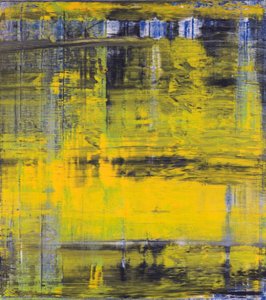
Gerhard Richter's “Juist,” painted in 2005, isn’t merely a depiction of an island; it’s a profound meditation on perception, memory, and the elusive nature of reality. This work, rendered in oil on canvas, embodies Richter’s signature style – a masterful blend of photographic precision and abstract expressionism – creating an image that is both familiar and unsettlingly ambiguous. The painting captures the stark beauty of Juist, one of the remote East Frisian islands off the coast of Germany, but through Richter's deliberate blurring, it transcends simple representation, inviting viewers to contemplate its emotional resonance rather than simply observe a landscape.
Richter’s technique is central to “Juist’s” power. He begins with a photograph – likely one taken during his travels – then meticulously transfers it onto the canvas. Crucially, he doesn't aim for photographic accuracy; instead, he employs a squeegee or similar tool to apply paint in broad, gestural strokes, deliberately blurring the image until it dissolves into a hazy wash of color and form. This process isn’t about erasing detail but rather about amplifying atmosphere and suggesting underlying structures. The horizontal division of the canvas – a sky-like upper section merging with a more grounded lower region – creates a subtle tension, hinting at the vastness of the sea and the solidity of the land. Notice how the colors are not sharply defined; instead, they bleed into one another, creating an almost ethereal quality.
“Juist” carries a potent symbolic weight. The island itself—a remote outpost in the North Sea—evokes feelings of isolation, solitude, and perhaps even melancholy. Its very name, “Juist,” suggests a connection to the past, hinting at centuries of maritime history and the rhythms of the sea. Richter’s blurring further reinforces this sense of ephemerality – suggesting that memory itself is fluid and unreliable. The indistinct forms could represent buildings, boats, or simply the shifting patterns of light and water, refusing to offer a definitive interpretation. It's as if Richter is capturing not just a place but also the feeling of being adrift in time and space.
Historical Context:**Richter’s work emerged during a period of significant social and political change in Germany. Following reunification, he explored themes of memory, identity, and the legacy of division. “Juist” can be seen as reflecting this broader context, grappling with questions of national history and the challenges of constructing a new sense of self.
Ultimately, "Juist" is an invitation to quiet contemplation. It doesn’t demand answers; it simply presents a scene imbued with atmosphere and emotion. The muted colors, the blurred forms, and the overall sense of ambiguity create a feeling of melancholy and longing—a subtle reminder of the beauty and fragility of the natural world. It's a painting that lingers in the mind long after you’ve viewed it, prompting reflection on our own perceptions and experiences. Its appeal lies not in its representational accuracy but in its ability to evoke a profound emotional response.
Further Research: For more information about Gerhard Richter and his work, consider visiting the official website or exploring resources such as the Metropolitan Museum of Art’s collection (link) and Wikipedia (link).

1932 - , Tyskland


Hold dig opdateret med de seneste kunstnyheder, eksklusive tilbud og indretningsideer.
Fortæl os om dit projekt, og vores kunsteksperter vil give dig 3 personlige kunstforslag.
Vi kuraterer 3 valgmuligheder kun til dig – Gratis!


 Se i fuld skala
 Del
Del Del
Del
 Detaljer

 Download
 Lignende værker
 Røntgenundersøgelse
 Diasshow
 Se mere