


x

Giclée- eller lærredstryk i museumskvalitet med hurtig produktion og fleksible muligheder for finish. ( Køb håndlavet maleri Køb billede)





























Vælg mellem vores forudindstillede størrelser, der matcher kunstværkets originale proportioner.

Du kan indtaste dine egne mål for at passe til en specifik ramme eller et bestemt område. Hvis den valgte størrelse ikke stemmer overens med det originale billedes proportioner, vil vi enten beskære kunstværket eller udvide billedet med en spejlet eller ensfarvet kant. En digital mockup vil blive sendt til din godkendelse, før produktionen påbegyndes.
Bemærk venligst, at forhåndsvisningen på skærmen ikke afspejler den faktiske beskæring eller udvidelse. Kun mockuppen vil nøjagtigt vise den endelige komposition.
Selvom specialmål er tilgængelige, anbefaler vi at vælge et mål fra den foruddefinerede liste for at bevare de originale proportioner.
Verdensomspændende levering () på 2 uger i stedet for de sædvanlige 4/5 uger. (19 august)


A troubadur
Størrelse på reproduktion
Giorgio de Chirico’s “Il Trovatore,” completed around 1968, stands as a testament to the artist's enduring fascination with unsettling juxtapositions and the exploration of psychological landscapes—a hallmark of his groundbreaking Metaphysical art movement. This sculpture, cast in bronze and adorned with a shimmering gold patina, embodies the spirit of de Chirico’s later years, continuing his preoccupation with classical forms rendered in an increasingly stylized manner.
“Il Trovatore” emerged during a period of significant artistic experimentation—the “New” Metaphysical phase—following de Chirico’s initial breakthrough in the 1910s. Influenced by Nietzsche’s philosophy and the anxieties of wartime Europe, this artwork reflects the artist's preoccupation with themes of isolation, alienation, and the subconscious mind. De Chirico deliberately eschewed realism, prioritizing symbolic representation over literal depiction—a strategy that anticipated the stylistic innovations of Surrealism.
The faceless troubadour figure serves as a potent symbol of existential uncertainty and melancholy—a reflection of de Chirico’s own artistic concerns. The sculpture's stillness conveys a profound sense of contemplation, inviting viewers to ponder the complexities of human experience. Furthermore, the subtle contrapposto stance suggests both strength and vulnerability, mirroring the artist’s desire to capture the duality inherent in human nature. Ultimately, “Il Trovatore” remains an evocative masterpiece—a haunting reminder of de Chirico's ability to transform familiar forms into dreamlike visions that resonate with timeless psychological depth.

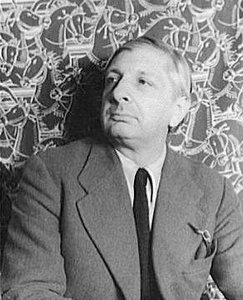
1888 - 1978 , Grækenland

Explore the captivating world of Giorgio de Chirico and his groundbreaking Metaphysical painting movement. Discover the philosophical depths & surreal imagery that influenced generations of artists. Learn more at Most-Famous-Paintings.

APS ofrece reproducciones de bellas artes y encargos personalizados desde 2004. Confían en nosotros corporaciones, hoteles y coleccionistas selectos para obras de arte de calidad museística, servicio discreto y soluciones artísticas completas. ¡Póngase en contacto con nosotros para obtener un presupuesto personalizado!

Explore the haunting beauty of Metaphysical Art. Delve into Giorgio de Chirico’s dreamlike landscapes, the movement's profound connection to Surrealism, and the philosophical mysteries hidden within its eerie, silent piazzas.

Explore the captivating world of Metaphysical art with Most-Famous-Paintings. Discover Giorgio de Chirico's iconic paintings, philosophical influences & lasting impact on Surrealism. Expert insights for collectors.

Oplev de 10 mest legendariske bronzeskulpturer, der har formet kunsthistorien! Fra Rodin til Vigeland – lær historierne bag mesterværkerne og find inspiration til din indretning. Køb museumskvalitets reproduktioner på Most-Famous-Paintings.com.


Hold dig opdateret med de seneste kunstnyheder, eksklusive tilbud og indretningsideer.
Fortæl os om dit projekt, og vores kunsteksperter vil give dig 3 personlige kunstforslag.
Vi kuraterer 3 valgmuligheder kun til dig – Gratis!


 Se i fuld skala
 Del
Del Del
Del
 Detaljer

 Download
 Lignende værker
 Røntgenundersøgelse
 Diasshow
 Se mere







 Glasmulighed er kun tilgængelig i størrelser under 110 cm


