


x

 OilWallArtMannerism
 84.0 x 57.0 cm
 Bayerische Staatsgemäldesammlungen
Køb et højopløst, forbedret digitalt billede, der er langt bedre end online-forhåndsvisningen.
Hver fil er omhyggeligt forberedt af vores interne specialister ved hjælp af avancerede værktøjer og ekspertmæssig manuel retuschering. Vi sikrer, at hvert billede har enestående klarhed, præcis farvegengivelse og fine detaljer.
Den endelige fil leveres via e-mail inden for 72 timer og er optimeret til øjeblikkelig brug i professionelle, redaktionelle og trykte miljøer. Det er den samme kvalitet, som førende designstudier, forlag og gallerier har tillid til.
Download en højopløselig fil til personlig fremvisning, print og kreative projekter. ( Køb print Køb håndlavet maleri)
Når du vælger Most-Famous-Paintings.com, får du ikke blot et billede – du modtager et professionelt optimeret digitalt kunstværk, skabt med præcision og sikret med en tilfredshedsgaranti. Her er alt, hvad din ordre automatisk indeholder:

Din højkvalitets digitale billedfil vil blive sendt til din e-mail inden for 72 timer efter bestilling – klar til øjeblikkelig brug.

Dit kunstværk optimeres professionelt ved hjælp af avancerede AI-værktøjer og manuel redigering, hvilket sikrer maksimal detaljegrad, klarhed og farvenøjagtighed.

Har du ved en fejl slettet eller mistet din fil? Ingen bekymring – vi sender den igen til enhver tid, helt gratis.

Nyd dit kunstværk med det samme uden told, afgifter eller leveringsgebyrer – digitale downloads er altid skattefrie.

Vi sikrer, at dit digitale billede gengiver de originale farver så præcist som muligt ved hjælp af professionelle værktøjer og farvestyring.

Hvis du ikke er tilfreds med dit digitale billede, vil vi revidere det eller refundere 100% inden for 60 dage – uden spørgsmål.

Ik tilfreds? Få fuld refusion inden for 60 dage efter modtagelse af din digitale fil – uden spørgsmål.

Køb 3 billeder, spar 10% - Køb 5, spar 15% - Køb 10+, spar 20%. Ideelt til kreative projekter, gallerier og bureauer.
Giuseppe Arcimboldo’s “Winter,” painted circa 1563 and now residing within the Kunsthistorisches Museum in Vienna, isn’t merely a portrait; it’s an immersive allegory, a frozen tableau vivant constructed entirely from the bounty of nature. More than just a clever visual puzzle, this masterpiece embodies the Renaissance fascination with symbolism, classical mythology, and the cyclical rhythms of life and death – all rendered with a startlingly modern sensibility. Arcimboldo, already renowned for his inventive character portraits crafted from fruits, vegetables, and books, pushes the boundaries of representation here, transforming a human form into an evocative embodiment of winter’s stark beauty and inherent melancholy.
The central figure, often interpreted as a wizened old man or perhaps a spirit emerging from a rustic sack – rendered in rough, textured burlap – dominates the composition. His face is deeply etched with wrinkles, roots, and branches, a deliberate blurring of human and plant characteristics that speaks to the interconnectedness of all living things. The careful arrangement of elements—the vibrant oranges nestled beneath, the cascading vines and foliage framing his head—immediately evoke associations with fertility, abundance, and the promise of spring hidden within the heart of winter’s dormancy. The inclusion of these fruits isn't arbitrary; they are potent symbols of renewal and hope, subtly counterbalancing the somber tones of the overall scene.
Arcimboldo’s skill lies not just in his imaginative subject matter but also in his meticulous execution. “Winter” is a testament to the artist's mastery of oil painting, utilizing a technique that builds up layers of texture with painstaking detail. The chiaroscuro – the dramatic interplay of light and shadow – is particularly striking, emphasizing the rough surfaces of the fruits and vegetables while simultaneously creating an atmosphere of profound depth and mystery. The perspective is subtly distorted, lending the image a dreamlike quality, as if peering into a world both familiar and unsettlingly strange. The composition itself is carefully balanced, drawing the eye to the central figure while allowing the surrounding elements to contribute to the overall narrative.
Notice the deliberate use of color – predominantly browns, greens, and ochre—that evokes the muted palette of a winter landscape. These earthy tones are punctuated by the vibrant oranges, creating a compelling contrast that draws attention to their symbolic significance. The background remains deliberately dark and undefined, serving only to isolate the subject and heighten its presence within the scene. The overall effect is one of controlled chaos, where disparate elements coalesce into a cohesive and profoundly moving whole.
To fully appreciate “Winter,” it’s crucial to understand the context in which Arcimboldo worked – the vibrant intellectual climate of the late 16th century. The painting draws heavily on classical mythology, particularly the figure of Vertumnus, the Roman god of fertility, change, and seasons. Vertumnus was often depicted as a shapeshifter, embodying both the destructive and generative forces of nature. Arcimboldo’s portrait clearly echoes this mythological archetype, suggesting that the central figure is not merely a representation of winter but also a manifestation of the cyclical processes of life, death, and rebirth.
Furthermore, the Renaissance fascination with allegory – the use of symbolic imagery to convey deeper meanings – played a significant role in Arcimboldo’s artistic practice. His portraits were often intended as visual riddles, challenging viewers to decipher their hidden messages. “Winter,” like many of his other works, invites contemplation on themes such as mortality, time, and the relationship between humanity and nature. The painting's ambiguity—the figure’s expression open to interpretation—further enhances its symbolic power.
Despite its historical context, “Winter” continues to resonate with viewers today due to its arresting imagery and profound emotional impact. There is a palpable sense of melancholy woven into the fabric of the painting – a quiet acknowledgement of winter’s stark beauty and inherent sadness. Yet, amidst this somber mood, there's also an underlying current of hope, symbolized by the vibrant oranges and the promise of spring. Arcimboldo’s ability to evoke such complex emotions through seemingly simple objects is a testament to his artistic genius.
Reproductions of “Winter” offer a remarkable opportunity to experience this masterpiece firsthand, allowing us to appreciate Arcimboldo's extraordinary skill and imaginative vision. Whether displayed in a grand salon or a cozy corner, this painting serves as a timeless reminder of the beauty and mystery of the natural world – and the enduring power of art to capture its essence.

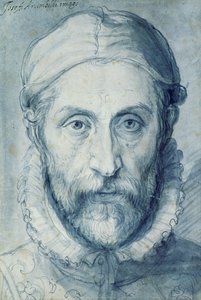
1527 - 1593 , Italien


Hold dig opdateret med de seneste kunstnyheder, eksklusive tilbud og indretningsideer.
Fortæl os om dit projekt, og vores kunsteksperter vil give dig 3 personlige kunstforslag.
Vi kuraterer 3 valgmuligheder kun til dig – Gratis!


 Se i fuld skala
 Del
Del Del
Del
 Detaljer

 Download
 Lignende værker
 Røntgenundersøgelse
 Diasshow
 Se mere


