


x

Køb et højopløst, forbedret digitalt billede, der er langt bedre end online-forhåndsvisningen.
Hver fil er omhyggeligt forberedt af vores interne specialister ved hjælp af avancerede værktøjer og ekspertmæssig manuel retuschering. Vi sikrer, at hvert billede har enestående klarhed, præcis farvegengivelse og fine detaljer.
Den endelige fil leveres via e-mail inden for 72 timer og er optimeret til øjeblikkelig brug i professionelle, redaktionelle og trykte miljøer. Det er den samme kvalitet, som førende designstudier, forlag og gallerier har tillid til.
Download en højopløselig fil til personlig fremvisning, print og kreative projekter. ( Køb print Køb håndlavet maleri)
Når du vælger Most-Famous-Paintings.com, får du ikke blot et billede – du modtager et professionelt optimeret digitalt kunstværk, skabt med præcision og sikret med en tilfredshedsgaranti. Her er alt, hvad din ordre automatisk indeholder:

Din højkvalitets digitale billedfil vil blive sendt til din e-mail inden for 72 timer efter bestilling – klar til øjeblikkelig brug.

Dit kunstværk optimeres professionelt ved hjælp af avancerede AI-værktøjer og manuel redigering, hvilket sikrer maksimal detaljegrad, klarhed og farvenøjagtighed.

Har du ved en fejl slettet eller mistet din fil? Ingen bekymring – vi sender den igen til enhver tid, helt gratis.

Nyd dit kunstværk med det samme uden told, afgifter eller leveringsgebyrer – digitale downloads er altid skattefrie.

Vi sikrer, at dit digitale billede gengiver de originale farver så præcist som muligt ved hjælp af professionelle værktøjer og farvestyring.

Hvis du ikke er tilfreds med dit digitale billede, vil vi revidere det eller refundere 100% inden for 60 dage – uden spørgsmål.

Ik tilfreds? Få fuld refusion inden for 60 dage efter modtagelse af din digitale fil – uden spørgsmål.

Køb 3 billeder, spar 10% - Køb 5, spar 15% - Køb 10+, spar 20%. Ideelt til kreative projekter, gallerier og bureauer.
Gustav Klimt's “Hope I,” painted in 1903, isn’t merely a depiction of a pregnant woman; it’s an immersive experience, a potent distillation of anxieties, desires, and the cyclical nature of life itself. This oil painting, now residing within the National Gallery of Canada, stands as a cornerstone of Klimt's mature style – a period characterized by opulent decoration, intricate patterns, and a daring exploration of the human psyche. It’s a work that simultaneously draws you in with its beauty and unsettles you with its underlying currents of mortality and uncertainty.
Klimt, a pivotal figure in Vienna Secession, rejected the rigid constraints of academic art, forging his own path toward a more expressive and emotionally charged aesthetic. His background, steeped in his father’s gold engraving – a profession that instilled within him an appreciation for texture, light, and the transformative power of precious materials – profoundly shaped his artistic vision. This influence is immediately apparent in “Hope I,” where Klimt masterfully employs gold leaf to create a shimmering, almost ethereal atmosphere, elevating the subject matter beyond simple representation.
“Hope I” is undeniably a product of Art Nouveau – a movement that sought to liberate art from its historical shackles and embrace the organic forms of nature. The sinuous curves, flowing lines, and decorative elements are hallmarks of this style, evident in the woman’s draped garments and the swirling background figures. However, Klimt doesn't simply mimic Art Nouveau; he subverts it, injecting a layer of psychological complexity rarely found within the movement’s more overtly celebratory works. The painting’s composition is deliberately unsettling, creating a visual tension between beauty and decay.
The central figure, a pregnant woman bathed in golden light, dominates the canvas. Her direct gaze engages the viewer immediately, conveying both vulnerability and strength. Her nudity isn't presented as overtly erotic; rather, it’s imbued with a sense of profound dignity and resilience. The surrounding figures – a skeletal man, sickly individuals, and a monstrous sea creature – represent the forces of death, disease, and madness that threaten to extinguish hope. This juxtaposition creates a powerful allegory for the precariousness of existence and the constant struggle against mortality.
The symbolism within “Hope I” is layered and deliberately ambiguous. The pregnant woman, despite being surrounded by symbols of decay, embodies hope itself – a promise of new life amidst the encroaching darkness. The skull above her head serves as a stark reminder of mortality, while the sea monster represents primal fears and anxieties. The forget-me-not flowers adorning her hair are traditionally associated with remembrance and loyalty, suggesting a connection to the past and a yearning for continuity.
Interestingly, Klimt’s personal life may have informed this work. The artist's son, Otto Zimmermann, tragically died in infancy, casting a shadow over his creative output. Some art historians believe that “Hope I” reflects this loss – a poignant meditation on the fragility of life and the enduring power of hope in the face of grief. The sketch for the painting originally featured a male figure comforting the pregnant woman; however, Klimt ultimately replaced him with the skull, suggesting a shift towards themes of mortality and decay.
Experience the captivating beauty and profound symbolism of Gustav Klimt’s “Hope I” through a meticulously crafted reproduction from Most-Famous-Paintings.com. Our skilled artists utilize high-quality materials to faithfully recreate every detail of this iconic masterpiece, ensuring that you own a stunning work of art that captures the essence of Klimt's genius. Bring the drama and emotional depth of "Hope I" into your home or office – a testament to the enduring power of art.

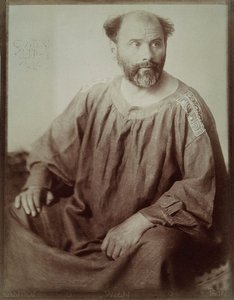
1862 - 1918 , Østrig


Hold dig opdateret med de seneste kunstnyheder, eksklusive tilbud og indretningsideer.
Fortæl os om dit projekt, og vores kunsteksperter vil give dig 3 personlige kunstforslag.
Vi kuraterer 3 valgmuligheder kun til dig – Gratis!


 Se i fuld skala
 Del
Del Del
Del
 Detaljer

 Download
 Lignende værker
 Røntgenundersøgelse
 Diasshow

 Se mere


