x

Giclée- eller lærredstryk i museumskvalitet med hurtig produktion og fleksible muligheder for finish. ( Køb håndlavet maleri Køb billede)





























Vælg mellem vores forudindstillede størrelser, der matcher kunstværkets originale proportioner.

Du kan indtaste dine egne mål for at passe til en specifik ramme eller et bestemt område. Hvis den valgte størrelse ikke stemmer overens med det originale billedes proportioner, vil vi enten beskære kunstværket eller udvide billedet med en spejlet eller ensfarvet kant. En digital mockup vil blive sendt til din godkendelse, før produktionen påbegyndes.
Bemærk venligst, at forhåndsvisningen på skærmen ikke afspejler den faktiske beskæring eller udvidelse. Kun mockuppen vil nøjagtigt vise den endelige komposition.
Selvom specialmål er tilgængelige, anbefaler vi at vælge et mål fra den foruddefinerede liste for at bevare de originale proportioner.
Verdensomspændende levering () på 2 uger i stedet for de sædvanlige 4/5 uger. (19 august)


Hope, The01
Størrelse på reproduktion
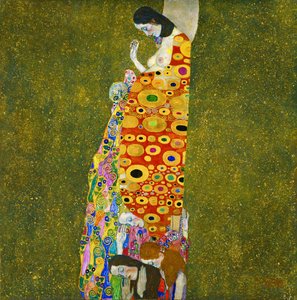
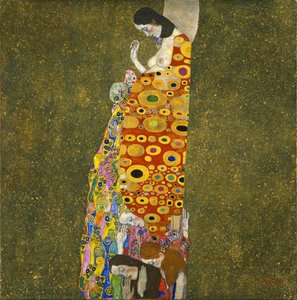
Gustave Klimt's Hope, The01 (1903) isn’t merely a painting; it’s an immersive experience. Created during a pivotal period of artistic experimentation and personal transformation for the Austrian Symbolist master, this work transcends simple representation to become a profound meditation on pregnancy, vulnerability, and the delicate balance between life and death. The scene unfolds within a richly textured interior space, dominated by the central figure of a woman in a state of expectant anticipation – her large belly a clear symbol of burgeoning motherhood. Yet, Klimt doesn’t offer a straightforward depiction of joy or fulfillment; instead, he layers the image with unsettling elements, creating an atmosphere of both profound beauty and subtle dread.
The composition is deliberately ambiguous. The woman, adorned in a flowing red gown and encircled by a halo of forget-me-not flowers, holds another woman close, suggesting a nurturing role yet also hinting at the complexities of familial relationships. Alongside them stand figures clad in formal attire – ties and jackets – representing the societal constraints and expectations that often accompany new life. However, it’s the background that truly captivates and unnerves. Here, Klimt introduces a series of spectral forms: decaying faces, skeletal hands reaching out, and a menacing sea monster lurking in the shadows. These figures aren't merely decorative; they represent the anxieties surrounding mortality, disease, and the potential for loss inherent in pregnancy and childbirth – a stark contrast to the idealized vision often associated with motherhood.
Klimt’s genius lies in his masterful deployment of symbolism. The painting is deeply rooted in the Symbolist movement, which sought to express emotions and ideas through evocative imagery rather than literal representation. The prominent use of gold leaf, a signature element of Klimt's “Golden Phase,” imbues the scene with an aura of opulence and spiritual significance. This lavish application of gold isn’t simply decorative; it represents fertility, abundance, and the divine feminine – qualities inextricably linked to pregnancy and new beginnings. The sea monster, frequently interpreted as a symbol of chaos and destruction, could also be seen as representing the anxieties surrounding childbirth itself, the potential for pain and uncertainty.
Furthermore, the figures in the background are often viewed as personifications of various aspects of death – disease, old age, madness. Klimt deliberately juxtaposes these morbid symbols with the vibrant life force embodied by the pregnant woman, creating a powerful tension that underscores the precariousness of existence. The skull above her head serves as a potent memento mori, reminding us of our own mortality and the fleeting nature of time.
Hope, The01 is inextricably linked to the broader artistic currents of its time, particularly Art Nouveau. Klimt’s use of flowing lines, organic forms, and decorative patterns—evident in the swirling fabrics and intricate details—echoes the aesthetic principles of this influential movement. However, Klimt transcends mere imitation; he infuses these elements with his own distinctive vision, creating a highly personal and emotionally charged style. His exploration of the female form, particularly its vulnerability and sensuality, was groundbreaking for the era, challenging conventional representations of women in art.
The painting’s influence extends beyond the realm of fine art. Klimt's bold use of color, texture, and symbolism paved the way for future generations of artists and designers. Today, Hope, The01 continues to resonate with audiences worldwide, serving as a poignant reminder of the complexities of human experience – the beauty and fragility of life, the inevitability of death, and the enduring power of hope in the face of adversity.

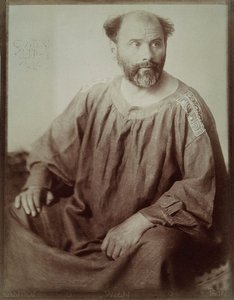
1862 - 1918 , Østrig

Explore the profound impact of the Vienna Secession movement. Discover how visionaries like Gustav Klimt revolutionized modern art through symbolism, gold leaf, and the concept of Gesamtkunstwerk in this expert-led historical guide.


Hold dig opdateret med de seneste kunstnyheder, eksklusive tilbud og indretningsideer.
Fortæl os om dit projekt, og vores kunsteksperter vil give dig 3 personlige kunstforslag.
Vi kuraterer 3 valgmuligheder kun til dig – Gratis!


 Se i fuld skala
 Del
Del Del
Del
 Detaljer

 Download
 Lignende værker
 Røntgenundersøgelse
 Diasshow

 Se mere







 Glasmulighed er kun tilgængelig i størrelser under 110 cm